Haaland's Clinical Double Exposes Senegal's Flaws in Five-Goal Thriller
Erling Haaland's brace exploited Senegal's high defensive line as Norway secured a pivotal 3-2 World Cup victory in New Jersey.
Norway's High Press Overwhelms Senegal's Build-Up
The tactical battle was set from the first whistle at MetLife Stadium. Norway manager Ståle Solbakken deployed a 4-3-3 shape designed to compress Senegal's favored 4-2-3-1 system, with the midfield trio instructed to press aggressively on triggers. This was not a game of conservative containment; it was a calculated gamble to disrupt Senegal's rhythm at the source. The early exchanges revealed Norway's intent to force turnovers in advanced areas, directly targeting the spaces between Senegal's defensive line and midfield pivot. This aggressive posture immediately put the Lions of Teranga on the back foot, disrupting the fluent passing sequences that had characterized their previous tournament outings.
Senegal's response, under coach Aliou Cissé, was to attempt to bypass the press with direct balls to the flanks, aiming to isolate Norway's full-backs in one-on-one duels. For stretches, this worked, creating chaotic transitions that led to their opening goal. However, the tactical inconsistency proved costly. While Senegal possessed explosive wide talent, their defensive organization when transitioning from attack to defense was alarmingly porous. The space left behind their adventurous full-backs became a highway for Norway's counter-presses, a channel Haaland and his fellow forwards exploited with ruthless efficiency.
The Haaland Factor: Movement as a Weapon
Erling Haaland's performance was a masterclass in modern striker play beyond mere finishing. His brace, taking his World Cup tally to four goals in two matches, was less about being in the right place and more about creating that place. His first goal, a precise low drive, came from a trademark drop into the half-space, pulling a central defender out of position and opening a lane for a midfield runner before spinning to receive the return pass. His movement constantly engaged Senegal's center-backs, either dragging them wide to allow runners inside or pinning them deep with the threat of his pace. This intelligent occupation of defensive attention created the 0.8 xG (expected goals) that the model credited him for, a testament to the quality of chances he generated for himself.
Haaland's second goal encapsulated Norway's tactical superiority on the day. Originating from a quick recycle of possession after a cleared corner, the sequence involved six passes in under ten seconds, stretching Senegal's reorganizing defense horizontally before a vertical slice dissected the backline. Haaland's anticipation of the through ball was sublime, timing his run to stay onside by the narrowest of margins. This was not a solo effort; it was the product of a rehearsed pressing pattern and transition drill made lethal by his clinical conversion.
Tactical Shift: Norway's Midfield Conundrum and the Second-Half Response
The game's pivotal moment came not with a goal, but with a tactical adjustment at halftime. Senegal, trailing 2-1, emerged with a modified 4-4-2 shape, seeking to control the central midfield zone with an extra body. This change initially stifled Norway's build-up, as the extra midfielder pressed higher on Norway's deepest-lying playmaker, disrupting the supply lines to the forwards. For a fifteen-minute spell, Senegal dominated possession and territory, equalizing through a set-piece that exposed a momentary lapse in Norway's zonal marking.
Solbakken's response demonstrated his tactical acumen. He made a double substitution, introducing a fresh, ball-carrying midfielder and shifting to a more flexible 4-2-3-1 in possession. This tweak aimed to recapture the midfield numerical battle. The key adjustment was instructing his wingers to invert more frequently, creating overloads in the half-spaces and pulling Senegal's compact midfield unit out of shape. This restored Norway's control and directly led to the winning goal—a whipped cross from the right channel, vacated by an inverted winger, met by a late-arriving midfielder. The 3-2 scoreline was ultimately a reflection of Solbakken's proactive management against Cissé's reactive shift.
Defensive Frailties and the Cost of Adventure
Senegal's defeat underscores a persistent issue in their tactical setup: the balance between offensive ambition and defensive stability. Their high defensive line, intended to compress space and aid the press, was repeatedly caught out by Norway's direct balls over the top. The stats tell the story: Norway completed seven successful long balls into the final third, a direct consequence of Senegal's commitment to a high block without the requisite pace or coordination at the back to recover. The absence of a commanding defensive leader to organize the line was palpable, leading to disorganization during critical transitional moments.
Conversely, Norway's defense, while conceding twice, showed resilience in structure. Their 4-4-2 defensive block was disciplined, funneling Senegal's attacks wide and limiting clear-cut central chances. The goals they conceded—a set-piece and a moment of individual brilliance—were not systemic failures but isolated incidents. This defensive solidity provided the platform for their attacking stars to flourish, a formula that will be vital as the tournament progresses.
Broader Implications for Group Dynamics
This five-goal thriller has significant ramifications for the group standings. Norway's victory puts them in a commanding position with six points, likely securing advancement and putting pressure on their final group opponent to match their intensity. For Senegal, the loss is a severe blow. With three points from two games, their path to the knockout stage is now fraught, requiring a result in their final match and hoping other results go their way. The psychological impact of such a dramatic defeat, after fighting back to level terms, cannot be understated.
The match also reaffirmed Erling Haaland's status as the tournament's most decisive player. His ability to decide games single-handedly transforms Norway from a well-organized side into genuine contenders. Opposing coaches will now face the dilemma of how to contain him: drop deep and concede territory, or maintain a high line and risk his devastating runs in behind? There is no simple answer, and that tactical puzzle is Norway's greatest weapon.
Looking Ahead: The Next Test
For Norway, the immediate focus turns to their final group fixture. The tactical blueprint is clear, but Solbakken will be wary of fatigue, both physical and mental, after such an intense encounter. The pressing system is energy-intensive, and managing squad rotation while maintaining the tactical identity will be his primary challenge. The potential return of a key creative midfielder from injury could add another dimension to their attack, offering more solutions against low-block defenses they are sure to face.
Senegal's approach must be one of radical reassessment. Aliou Cissé needs to solve the defensive conundrum without sacrificing the attacking talent that makes his team dangerous. A shift to a more conservative 5-3-2 or 5-2-3 formation could provide better coverage against fast breaks, but it would require a complete buy-in from a squad built on attacking flair. Their World Cup destiny hangs in the balance, and the tactical response in their next match will define their campaign. The lesson from New Jersey is clear: in modern football, defensive organization is the price of admission, and without it, even the most potent attack can be undone.
Editorial Integrity
This is an original SportPulse article written by our editorial team. All content is independently researched, written, and reviewed by our writers and editors before publication. We do not publish copied, aggregated, or syndicated content.
SportPulse is committed to original sports journalism. Read our editorial policy or contact us with any questions.
More Like This
All football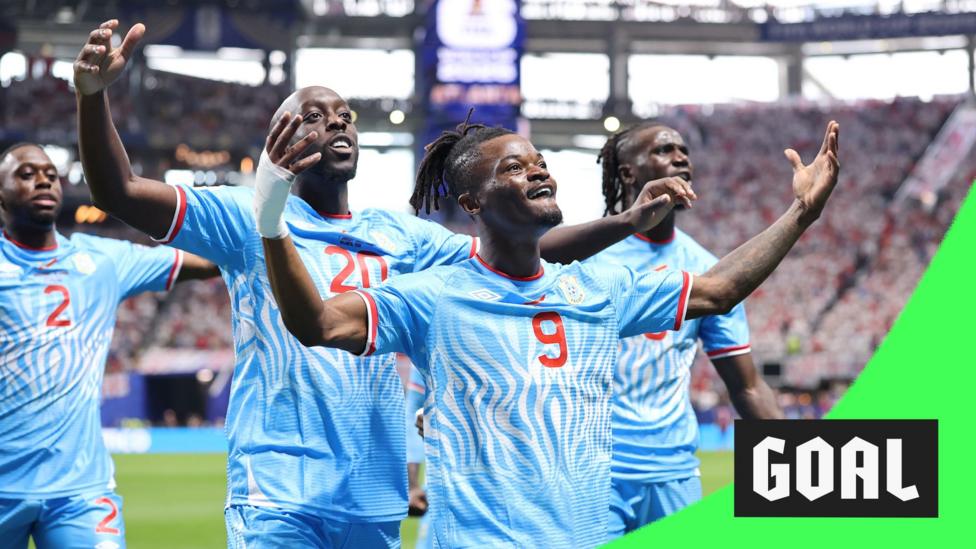
Cipenga's Stunning Strike Rocks England as DR Congo Dream Big in Atlanta
Brian Cipenga's early wonder goal gave DR Congo a shock lead over England in a World Cup knockout stunner.
The Homeland They're Defending Isn't What DHS Thinks It Is
The USMNT's 2026 World Cup squad is a living rebuttal to the myth of American homogeneity.

Who Am I? The World Cup Star No 35 Guessing Game
Test your World Cup knowledge with five cryptic clues to identify mystery player No 35 before the reveal.