Everton Close In On Hackney — A Midfield Blueprint Emerges
Everton's move for Hayden Hackney signals a tactical evolution in their midfield build-up play under Dyche.
A Midfielder Built for the Next Step
Everton are closing in on a deal to sign Middlesbrough's highly-rated midfielder Hayden Hackney, a move that could reshape the tactical spine of Sean Dyche's side heading into a defining campaign at Bramley-Moore Dock. The 22-year-old academy graduate has been one of the Championship's most progressive central midfielders over the past two seasons, and his arrival on Merseyside would represent more than a squad addition. It would signal an intent to evolve.
The Toffees have spent recent windows firefighting. Points deductions, Financial Fair Play anxieties, and a squad cobbled together from bargain bins and loan deals have defined a club that once prided itself on punching above its weight. But this pursuit of Hackney feels different. It is targeted, profile-driven, and tactically coherent.
What Hackney Brings to the Table
To understand why Everton are investing time and capital in this deal, you need to understand what Hackney does with the ball at his feet. He is not a destroyer. He is not a box-crasher. He is a progressor — a midfielder who receives under pressure between the lines, turns, and drives the ball forward into the final third.
At Middlesbrough, Hackney has operated primarily as a number 8 in Michael Carrick's fluid 4-2-3-1 system, though he has shown comfort dropping into a deeper number 6 role when required. Carrick, a disciple of positional play from his years at Manchester United and under the coaching influences of both Sir Alex Ferguson and later the more structured continental school, trusted Hackney with enormous responsibility for a player of his age.
The numbers reflect that trust. Hackney consistently ranks among the Championship's elite for progressive passes, progressive carries, and passes into the final third. His ability to receive on the half-turn, scan the pitch, and execute line-breaking passes is what separates him from the average second-tier midfielder. He does not simply recycle possession sideways. He moves it with purpose.
What makes him particularly intriguing for Everton's system is his two-footedness and his composure under the high press. Championship pressing structures have improved dramatically in recent years, and Hackney has been tested repeatedly by aggressive opponents. He rarely panics. He rarely gives the ball away cheaply in dangerous areas. For a club that has hemorrhaged possession in midfield zones far too often, that profile is invaluable.
Tactical Shift: Why Dyche Needs This Profile
Everton's midfield under Dyche has been built around physicality and defensive solidity. Abdoulaye Doucouré provides box-to-box energy and goal threat from deep. Idrissa Gueye anchors with experience and interceptions. But the missing piece has always been someone who can dictate tempo and connect the defence to the attack through controlled progression.
The departure of Amadou Onana to Aston Villa last summer removed the one midfielder capable of carrying the ball through pressure, even if Onana's final product was inconsistent. Since then, Everton's build-up has often resorted to direct balls from the centre-backs, bypassing the midfield entirely. The result: disjointed transitions, isolated forwards, and a reliance on set-piece efficiency that is unsustainable over a full Premier League season.
Hackney changes the equation. Slotting him into a midfield three alongside Doucouré and Gueye — or in a double pivot with one of them in a more conservative 4-4-2 shape — gives Dyche a genuine ball-carrier in the middle third. The 22-year-old can drop between the centre-backs to collect, draw the press, and then find the spare man in the half-space. It is the kind of structural manipulation that top-level build-up play depends on, and it is exactly what Everton have lacked.
The Carrick Connection and Championship Pedigree
It is worth noting the coaching environment Hackney is leaving. Michael Carrick's Middlesbrough have been one of the most tactically sophisticated sides in the Championship, building from the back with a clarity of structure that has produced a conveyor belt of talent. Hackney is the latest in a line that includes Dael Fry, Marcus Tavernier, and others who have either moved to the Premier League or attracted sustained interest.
Carrick's system demands that midfielders understand positional rotations, pressing triggers, and the timing of runs into the box. Hackney has been schooled in all of it. He is not a raw talent arriving from a system that relies on long balls and second balls. He is a player who has been developed within a framework that values intelligence on the ball — which should ease his transition to Premier League tempo.
That said, the step up is significant. The Championship's physical demands are relentless, but the Premier League's speed of thought in midfield is another level entirely. Hackney will face pressing structures from the likes of Arsenal, Liverpool, and Manchester City that are faster, more coordinated, and more punishing than anything he has encountered. His first touch under pressure, already a strength, will be tested repeatedly.
Financial Context and Everton's Constraints
Everton's pursuit must be framed within their broader financial reality. The club has operated under severe PSR constraints for multiple windows, and any significant outlay requires careful accounting. Middlesbrough, for their part, are in a strong negotiating position. Hackney is under contract, he is young, and his stock has only risen.
Reports suggest a deal is close, which indicates that both clubs have found common ground on the fee structure. For Everton, the logic is clear: invest in a player whose value should appreciate, who fills a genuine tactical need, and who represents the kind of profile that a new-stadium era club can build around. For Middlesbrough, a substantial sale funds further squad building in a league where financial margins are razor-thin.
The key question is whether Everton can structure the deal in a way that respects their PSR position. Installments, add-ons, and sell-on clauses are the tools of modern transfer negotiation, and this deal will likely feature all three.
What This Means for Everton's System
If Hackney arrives and integrates as expected, Dyche faces an interesting tactical dilemma. The manager has historically favoured a 4-4-2 or 4-5-1 with clear defensive structure, but Hackney's profile lends itself to a more possession-oriented 4-3-3 or 4-2-3-1. Does Dyche adapt his principles to accommodate a midfielder who thrives with the ball, or does he ask Hackney to conform to a more direct approach?
The smart money says a compromise. Dyche has shown tactical flexibility at Burnley and Everton when the personnel demands it. A midfield three of Gueye (holding), Hackney (progressing), and Doucouré (arriving late into the box) offers balance between defensive security and attacking intent. It is not revolutionary, but it is structurally sound.
The wider implication is for Everton's attacking players. Dwight McNeil, Iliman Ndiaye, and the forwards need service that arrives with accuracy and timing. Hackney's passing range and vision from central areas could unlock supply lines that have been largely dormant.
Looking Ahead
The deal is not done yet, and until the contracts are signed, nothing is certain in football's transfer market. But if Everton secure Hackney's signature, it represents one of their most intelligent acquisitions in recent windows. This is not a panic buy. It is a profile-driven investment in a player whose ceiling has not yet been reached.
The tactical test will come quickly. Everton's opening Premier League fixtures will reveal whether Hackney can impose his game at the higher tempo, and whether Dyche is willing to build around his strengths. The early signs from the recruitment side suggest a club that is thinking more strategically about the kind of football it wants to play. Whether the coaching staff can translate that intent onto the pitch remains the defining question of Everton's summer.
"We need players who can handle the ball in tight areas and make the right decisions quickly. That is where the modern game is going." — a sentiment frequently echoed within Everton's recruitment circles.
The new stadium is coming. The squad profile is slowly shifting. And Hayden Hackney, if this deal crosses the line, could be the midfield fulcrum around which Everton's next chapter is written.
Editorial Integrity
This is an original SportPulse article written by our editorial team. All content is independently researched, written, and reviewed by our writers and editors before publication. We do not publish copied, aggregated, or syndicated content.
SportPulse is committed to original sports journalism. Read our editorial policy or contact us with any questions.
More Like This
All football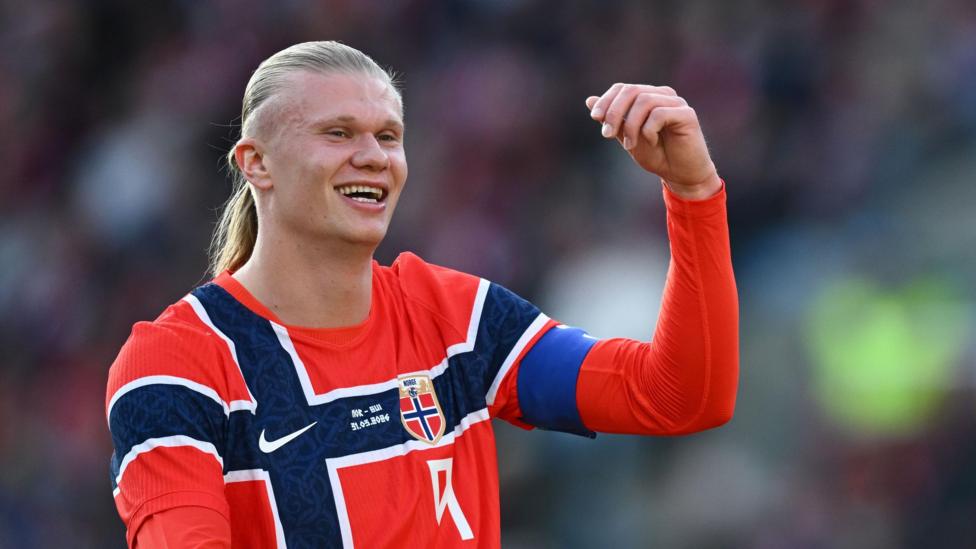
5.5 Million People, One Giant: How Haaland Dragged Norway Back to the World Cup
Erling Haaland has ended Norway's 27-year World Cup exile, carrying an entire nation on his shoulders into the 2026 tournament.
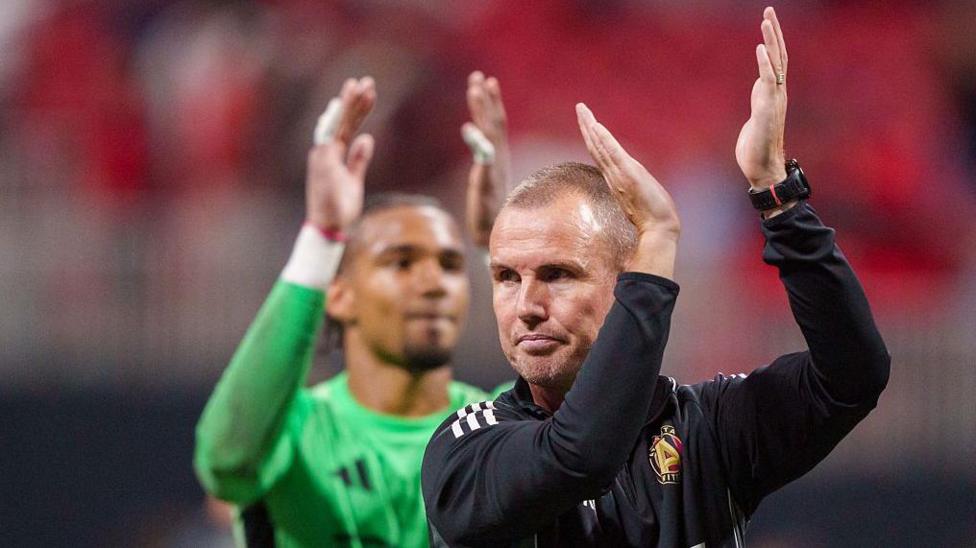
Kenny Miller's Maccabi Tel Aviv Gamble: Vision or Desperation?
Maccabi Tel Aviv bets big on rookie boss Kenny Miller, poaching Stuart Taylor from St Mirren to stabilize a chaotic campaign.

Socceroos Survive Nerve-Shredder to Reach World Cup Knockouts
Australia booked their third-ever World Cup knockout berth after a tactical, tension-filled stalemate with Paraguay.