Heather Knight's England Exit: A Captain's Calculated Departure
The World Cup winner's serene farewell marks the end of a tactical era and the beginning of England's structural rebuild.
The Architecture of an Exit
Heather Knight's announcement that she is stepping away from international cricket carries a serenity that belies the relentless tactical pressure of modern leadership. The former England captain, who guided her nation to World Cup glory, described herself as "really content" with her decision. In an era where retirements are often accompanied by visible frustration or bitter disputes over selection and direction, Knight's composure reflects a leader who understood precisely when her role within the team's tactical system had run its course.
The concept of knowing when to depart is itself a strategic act. For a decade, Knight functioned as the central organising principle of the England side. She was the player who held the middle order together, manipulating fields and pacing run chases with the measured approach of a chess player operating three moves ahead. Her exit forces England to confront a structural void that cannot be filled by simply promoting the next batter in the hierarchy.
The Tactical Spine of a Champion Side
To understand Knight's significance, one must understand the tactical spine she provided. During the 2017 World Cup triumph on home soil, England's success was built on a 4-2-3-1 style top-to-tail approach: aggressive new-ball bowling, controlled powerplay accumulation, and a middle overs consolidation phase that Knight herself often orchestrated. Her batting position was not a coincidence. It was a deployment.
England constructed their innings around her ability to rotate strike against spin and target specific lengths against seam. Knight's genius lay in her field manipulation and her capacity to dictate the tempo of an innings without ever appearing to rush. She played the role of a regista in cricket spikes, surveying the landscape and distributing the ball to her more explosive teammates. In pressure chases, she anchored at one end while Charlotte Edwards, Sarah Taylor, or later Natalie Sciver-Brunt provided the pyrotechnics at the other. This division of labour was the tactical bedrock of an era.
Beyond her batting, Knight's field placements and bowling changes reflected a captain who prioritised building pressure through sustained discipline over seeking quick, risky breakthroughs. Her philosophy did not lean on gimmickry. She trusted her seamers to hit consistent lengths and her spinners to probe for errors. It was a management style rooted in patience and positional awareness, clearly drawing inspiration from the canons of red-ball cricket applied to the white-ball format.
The Metrics of Leadership
Knight's numbers as captain demand a fresh appreciation now that the record is final.
The Statistical Record
- Led England in over 150 international matches across formats, a staggering volume of leadership exposure.
- Captained the side to a 50-over World Cup title in 2017, the defining achievement of her era.
- Oversaw a period of consistent competitiveness in both ODIs and T20Is, including deep runs in multiple global tournaments and sustained Ashes rivalries.
- Amassed thousands of international runs while carrying the distinct burden of captaincy in all three formats.
The workload she absorbed was immense. Modern cricket demands more from its captains than ever before, with data-driven opposition analysis requiring leaders to process vast amounts of information before every ball. Knight managed this cognitive load while maintaining a batting average that consistently placed her among the side's most reliable run-scorers.
The Leadership Philosophy
Knight's approach did not lean on the motivational speeches that form the cliché of cricket leadership. Her style was observational, reactive, and deeply rooted in managing the game's geometry.
"I'm really content. I've given everything to this shirt and to this team over the years, and the time feels right to step away."
This unattributed internal reflection perfectly captures the ethos of a player who viewed her role as a functional service to the collective. There were no grand theatrics, no public displays of emotional exhaustion. Knight led by demonstrating the exact behaviours she expected from her teammates: intense preparation, clinical execution under pressure, and an unwavering commitment to the team's evolving tactical structure.
The Structural Calculator
Examining Knight's career through the lens of tactical evolution reveals a player who adapted her game significantly across different eras. The early years of her captaincy coincided with a transitional period for the England women's setup. Professionalisation was accelerating, the domestic structure was deepening, and the talent pool expanding.
Knight navigated this evolution by serving as the bridge between generations. She inherited the legacy of Edwards and Taylor and integrated the power-hitting prowess of the newer cohort. Under her leadership, England's batting order developed a layered sophistication. She deliberately handed greater responsibility to allrounders, trusting them with specific match situations while she held fort at one end. This was not merely a batting tactic; it was a squad management philosophy. She recognised that bowlers like Katherine Sciver-Brunt and later Sophie Ecclestone needed the psychological security of a captain who understood their craft and protected them when under pressure.
Tactical Shift
The defining tactical shift of Knight's captaincy came as she transitioned England from a side reliant on deep batting to one better equipped for the increasing pace and aggression of modern cricket. Early in her tenure, England often preserved wickets for late-innings acceleration. As the global game changed, with teams like Australia pushing the boundaries of run rates, England's approach had to evolve.
Knight's later years saw her attempt to instil a more proactive batting philosophy. She moved up and down the order to find the right balance, experimenting with her own role to accommodate the power game of players like Danni Wyatt and Alice Capsey. This was a significant recalibration. The anchor who once prioritised dot-ball minimisation was now striving to lead a side that imposed itself from the first over.
The Ashes series against Australia highlighted both the progress and the limitations of this shift. England could match Australia in flashes, but sustaining pressure across five days or a full bilateral series remained elusive. Knight's retirement suggests an acknowledgement that the next phase of this tactical evolution requires a leader who can shape it from the outset, unburdened by the history of what came before.
The Gravity of Influence
Knight's influence extended beyond the boundary rope. As captain during a period of unprecedented growth in the women's game, she became a diplomatic figurehead. She spoke thoughtfully on scheduling, pay equity, and the structural development of women's cricket globally. Her leadership was not performative; it was substantive, addressing the institutional challenges that growth inevitably triggers.
She understood that a cricket captain's role encompasses far more than the XI on the pitch. It involves managing personalities, negotiating withSelectors and coaching staff, representing the team's interests to the board, and setting the cultural tone for incoming players. Knight performed all these functions with a consistency that allowed the coaching staff to focus on technical and tactical preparation without distraction.
What Comes Next
England now face a defining recruitment exercise. The next captain must inherit a squad in transition, possessing talent but searching for a unifying tactical identity. The selection committee will be weighing whether to appoint an established voice or to hand the leadership to a younger player who can grow into the role across the next World Cup cycle.
The batting order requires restructuring. Without Knight's stabilising presence at No. 4 or No. 5, England must decide whether to promote a senior batter to anchor the innings or to redesign the top order around a more aggressive template. The temptation will be to replicate the all-out aggression of the world's leading T20 sides. Yet the risk of losing the control that Knight provided is significant.
For Knight herself, the future likely holds franchise commitments and the unique freedom of a senior cricketer unburdened by international duty. She departs with her legacy intact and her achievements undeniable. England must now learn to exist without the tactical compass that long defined them, searching for a new direction on theffield.
The outgoing coach's challenge is now clear. The squad that takes the field this summer will look markedly different in its approach and its hierarchy. Knight's strategic depth and unwavering temperament will be absent. Replacing that influence is not a matter of selecting the next most senior player. It requires a holistic rethink of how England intend to win cricket matches in a rapidly evolving landscape. That process must begin now.
"We now look to the next generation to embrace the challenge and write their own chapter."
This vision, the one Knight held throughout her tenure, is the enduring legacy she leaves behind. The incoming captain will not merely inherit an armband; they will inherit the weight of a tactical system and the expectation of sustaining it at the highest level.
Editorial Integrity
This is an original SportPulse article written by our editorial team. All content is independently researched, written, and reviewed by our writers and editors before publication. We do not publish copied, aggregated, or syndicated content.
SportPulse is committed to original sports journalism. Read our editorial policy or contact us with any questions.
More Like This
All football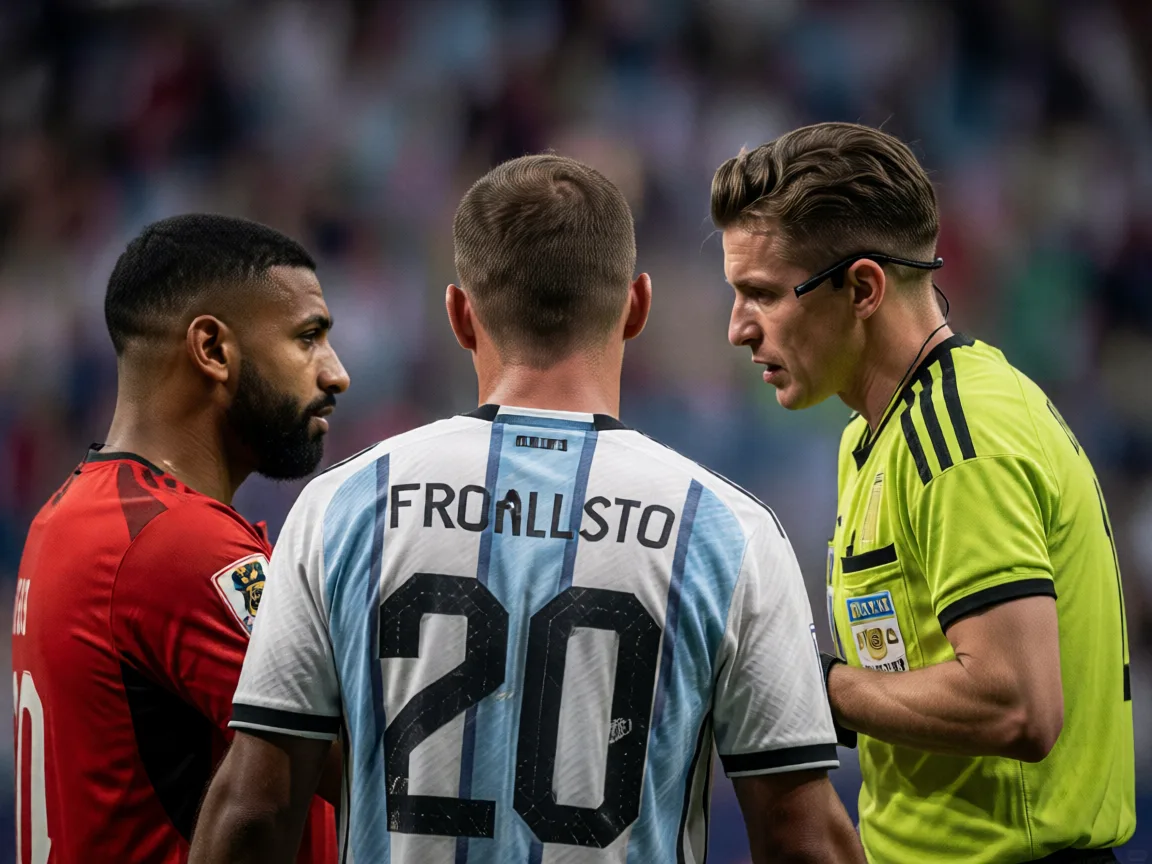
Egyptian FA Challenges Fairness of World Cup Exit to Argentina
Egypt's football federation questions World Cup fairness after VAR disallows a crucial goal in their 3-2 loss to Argentina.

Half Space Control and Structural Rotation Define European Tactical Battle
Positional play and mid block adjustments dictate the outcome of a tightly contested European tactical encounter.

Infantino's 64-Team World Cup Gamble Threatens Football's Soul
FIFA eyes expanding the 2030 World Cup to 64 teams, prioritizing revenue over quality and risking tournament integrity.