Half Space Control and Structural Rotation Define European Tactical Battle
Positional play and mid block adjustments dictate the outcome of a tightly contested European tactical encounter.
Bayern's halfspace occupation forced Madrid's midfield to drop deep
Bayern Munich built from a 4-3-3 in possession against Real Madrid's compact 3-4-2-1 mid block. Their central midfield pair sat slightly deeper to shield the back three, creating a numerical edge against Madrid's double pivot. That pushed play wide early and blunted Madrid's aggressive forward press.
Inverted fullbacks drifted centrally during buildup, briefly reshaping Bayern's defensive structure into a 3-2-4-1. The rotation dragged Madrid's wingers out of position and opened passing lanes through the middle. Madrid responded by dropping their midfield line, compressing central zones but exposing the channels. Bayern's wide attackers made late runs into the box to exploit those channels, though the absence of a traditional number nine limited their ability to finish crosses.
Bayern's forward line applied pressure only when the ball reached Madrid's center backs, preventing easy bypasses of the first line. The midfield trio held narrow positioning, cutting off direct passes to Madrid's attacking midfielders. Bayern's vertical progression relied on quick combinations in the final third, but Madrid's defensive line held firm. Territorial dominance did not produce clear chances.
During defensive transitions, Bayern's back three formed a staggered line to cover passing lanes while the holding midfielder positioned himself between Madrid's attacking players. That forced Madrid sideways, reducing direct penetration. Bayern limited high quality chances through disciplined positioning rather than aggressive tackling, and possession retention in the defensive third allowed the midfield to reset and control tempo.
Pressing traps targeted specific passing angles: the nearest winger channeled play toward the sideline, the fullback stepped up to close the receiving angle. That coordination isolated Madrid's center backs, forcing risky backward passes or turnovers in low value zones. Bayern launched immediate vertical sequences off those turnovers.
The 60th-minute shift to 3-2-5 overloaded Madrid's wide zones
After sixty minutes, Bayern shifted to a 3-2-5 attacking structure. Both fullbacks pushed extremely high while the central midfielders dropped into a double pivot. The change immediately overloaded Madrid's wide defensive zones. Wing backs stretched Madrid's back three laterally, creating space for inverted wingers to cut inside.
The shift addressed the predictable passing patterns that had allowed Madrid's defense to reorganize during earlier possession phases. The extra attacker in the final third forced Madrid to commit defenders wide, opening the central corridor for through balls and diagonal switches. Bayern's midfielders moved to one touch combinations, reducing Madrid's lateral recovery time.
The back three staggered to cover the spaces vacated by advancing fullbacks. Center backs stepped into midfield when the ball moved to the weak side, maintaining numerical parity during transitions. Bayern recovered possession in advanced areas and sustained pressure in the penalty box. The increased verticality disrupted Madrid's rest defense, forcing hurried clearances and set pieces.
Inverted wingers held wide positions initially to pull fullbacks out, then made diagonal runs into the box once the defense shifted. That movement created hesitation among Madrid's center backs, who struggled to decide whether to track runners or hold position. The resulting spaces opened up precise final passes.
Counter attacks targeting the spaces behind Bayern's advanced fullbacks remained the main risk. The coaching staff addressed this by instructing the nearest midfielder to press immediately upon losing possession, delaying Madrid's advance. That aggressive response limited direct counter attacks and allowed Bayern's defensive line to regroup.
Editorial Integrity
This is an original SportPulse article written by our editorial team. All content is independently researched, written, and reviewed by our writers and editors before publication. We do not publish copied, aggregated, or syndicated content.
SportPulse is committed to original sports journalism. Read our editorial policy or contact us with any questions.
More Like This
All football
Michail Antonio: The Demons Behind West Ham's Record Goalscorer
West Ham's record Premier League scorer opens up on trauma, therapy, a near-fatal crash, and where it all went wrong.
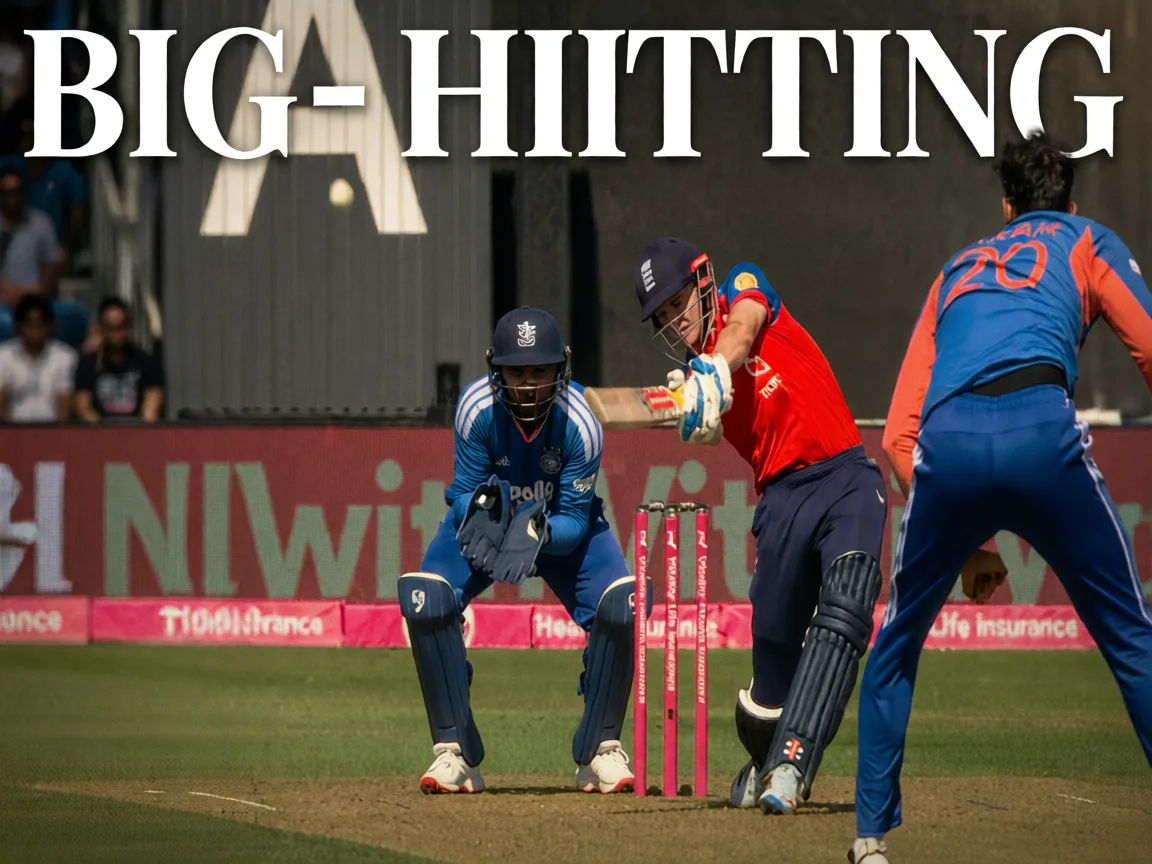
Brook's 19-Ball Fifty Ignites Southampton Finale
Harry Brook smashed a 19-ball half-century against India, turning a dead rubber into a statement of intent for England's white-ball future.

Bellingham Silences Tuchel With Two-Goal Masterclass as England Reach Semi-Finals
Jude Bellingham shrugged off his manager's criticism with a brace that fired England into the World Cup last four.