Behind the Broadcast Curtain: How the 2026 World Cup's TV Picks Really Work
The expanded 2026 World Cup brings a new round of 32 and a scheduling puzzle that broadcasters are racing to solve.
The 2026 FIFA World Cup is rewriting every rulebook. 48 teams. 104 matches. Three host nations. And somewhere in the middle of all that expansion sits a brand-new knockout round that nobody has had to schedule for before: the round of 32.
BBC Sport's Ask Me Anything team recently pulled back the curtain on how television selections get made for these fixtures, and the answer is far more layered than most fans assume. It is not simply a case of picking the biggest match and slotting it into prime time. It is a chess game involving FIFA, global broadcasters, time zone math, commercial obligations, and the sheer logistical reality of staging a tournament across the United States, Mexico, and Canada.
The Format Nobody Has Faced Before
The jump from 32 to 48 teams does not just mean more football. It means a completely different knockout structure. The old round of 16 is gone, replaced by a round of 32 that effectively doubles the number of elimination games before the quarterfinals.
For broadcasters, this is both a gift and a headache. More knockout football means more high-stakes inventory to sell to advertisers and more must-watch moments to draw audiences. But it also means more fixtures to fit into a window that still only has so many hours in a day.
FIFA has confirmed that the 2026 tournament will run from June 11 to July 19, giving organizers 39 days to get through all 104 matches. The round of 32 alone accounts for 16 games, each carrying the do-or-die tension that television executives crave.
How the Selection Process Actually Works
Television picks for a World Cup are not made in isolation. FIFA negotiates global broadcast packages well in advance of the tournament, selling rights territory by territory. In the United Kingdom, the World Cup remains a listed sporting event, meaning it must be shown on free-to-air television. The BBC and ITV traditionally share coverage.
The two broadcasters divide matches between them, but the allocation is not random. Each network gets to make selections based on a combination of factors: the contractual framework FIFA provides, the anticipated audience pull of each fixture, and the practical reality of kick-off times relative to UK viewers.
Here is where it gets complicated. The 2026 World Cup spans 16 host cities across three countries, spread across multiple time zones. A match kicking off at 3:00 PM local time in Los Angeles starts at 11:00 PM in London. A game in New York at the same local hour lands at 8:00 PM in the UK. The same kick-off slot in Mexico City falls at 9:00 PM British time.
Broadcasters must weigh which matches deserve the prime evening slots that UK audiences can realistically watch live, and which get pushed to less favorable windows. A round of 32 clash between two European heavyweights will almost certainly get preferential scheduling over a fixture between two nations with smaller UK fanbases.
The Business Behind Every Kick-Off Time
FIFA structures its broadcast deals to maximize revenue across every territory, and kick-off times are a critical lever. Matches scheduled for European prime time are deliberately chosen to feature teams with large European followings. Games targeting Asian audiences get morning slots in North America. South American fixtures are positioned for the evening in the Americas.
This is not new. Every World Cup does it. But the 2026 edition's expanded geography makes the puzzle significantly harder. With venues stretching from Vancouver to Guadalajara, the time zone spread is wider than any previous tournament.
For the round of 32 specifically, FIFA and its broadcast partners must consider not just who is playing, but what the preceding group stage results mean. The bracket structure determines matchups only after the group phase concludes, so television selections for some round of 32 games cannot be finalized until the final group stage matchday.
That creates a compressed decision window. Broadcasters may have only 48 to 72 hours between learning a fixture's identity and needing to confirm their coverage plans, including commentary teams, studio analysts, and production logistics.
What Fans Actually Notice
Supporters tend to focus on one thing: can I watch my team? The BBC and ITV system in the UK ensures every match is available on free-to-air television or via the BBC iPlayer and ITVX streaming platforms. That accessibility is not universal globally.
In the United States, FOX Sports holds the English-language rights. In much of continental Europe, a patchwork of different broadcasters covers the tournament. The fragmentation means a round of 32 match that is a headline event in one country might be buried on a secondary channel in another.
The BBC's Ask Me Anything explanation highlighted a truth that seasoned broadcast observers already know: the process is driven as much by commercial logic as by sporting merit. A match between two footballing giants will always get priority. But beyond the obvious blockbusters, every selection involves trade-offs.
The Knockout Round Scheduling Grid
FIFA typically releases the match schedule for knockout rounds in phases. The group stage fixtures are locked in months before the tournament. But the round of 32 matchups, determined by group standings and a pre-determined bracket, come together in real time.
This means broadcasters prepare multiple contingency plans. Production trucks, commentary positions, and studio setups must be flexible enough to pivot based on results. The BBC and ITV coordinate closely to avoid duplication, ensuring both networks offer complementary rather than competing coverage.
For the 2026 round of 32, the expectation is that FIFA will schedule matches across four or five daily slots, mirroring the group stage structure. That gives broadcasters room to spread fixtures but also forces difficult choices about which games get the marquee time windows.
A round of 32 featuring the United States, as hosts and a team with a growing domestic audience, would command significant airtime regardless of the opponent. Similarly, any knockout match involving Brazil, Argentina, England, France, or Germany would be a near-certain pick for prime broadcast slots.
What It Means
The 2026 World Cup's round of 32 is a scheduling experiment with billions of dollars riding on the outcome. FIFA's expanded format delivers more knockout football than ever before, but the broadcast infrastructure must scale to match.
For fans, the practical takeaway is straightforward: every round of 32 match will be available to watch live somewhere. But the specific channel, kick-off time, and commentary quality will vary based on where you live and which teams are involved.
The behind-the-scenes machinery of television selection is not glamorous, but it shapes the experience of the World Cup as much as any tactical formation or refereeing decision. When the round of 32 kicks off in the summer of 2026, the broadcast choices made in the weeks and days before will determine which matches the world watches together, and which ones it catches on a highlights reel the next morning.
FIFA and its broadcast partners have less than a year to solve this puzzle. The stakes, both sporting and commercial, could not be higher.
Editorial Integrity
This is an original SportPulse article written by our editorial team. All content is independently researched, written, and reviewed by our writers and editors before publication. We do not publish copied, aggregated, or syndicated content.
SportPulse is committed to original sports journalism. Read our editorial policy or contact us with any questions.
More Like This
All football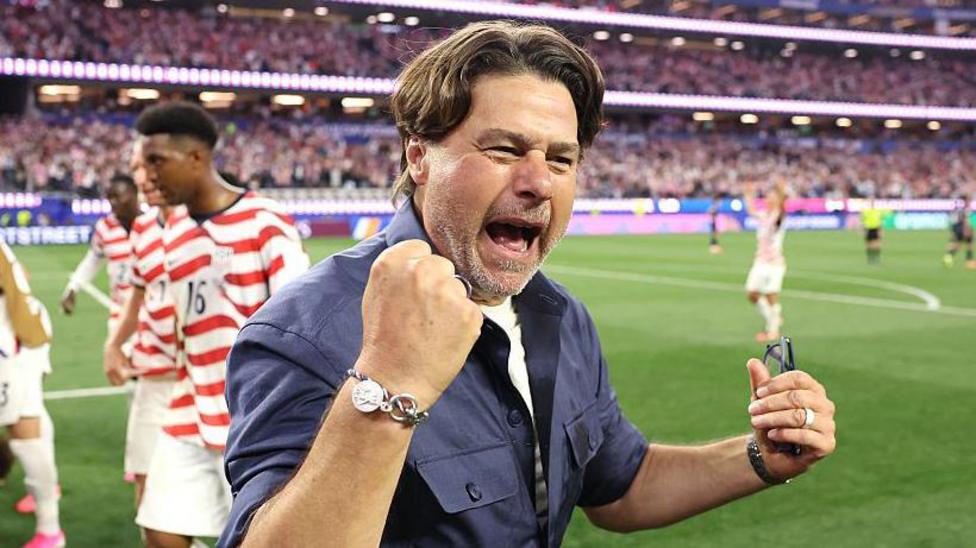
Pochettino Has US Believing World Cup Glory Is Possible
Mauricio Pochettino isn't just managing the USMNT—he's rewiring their psychology to genuinely believe they can lift the 2026 World Cup.
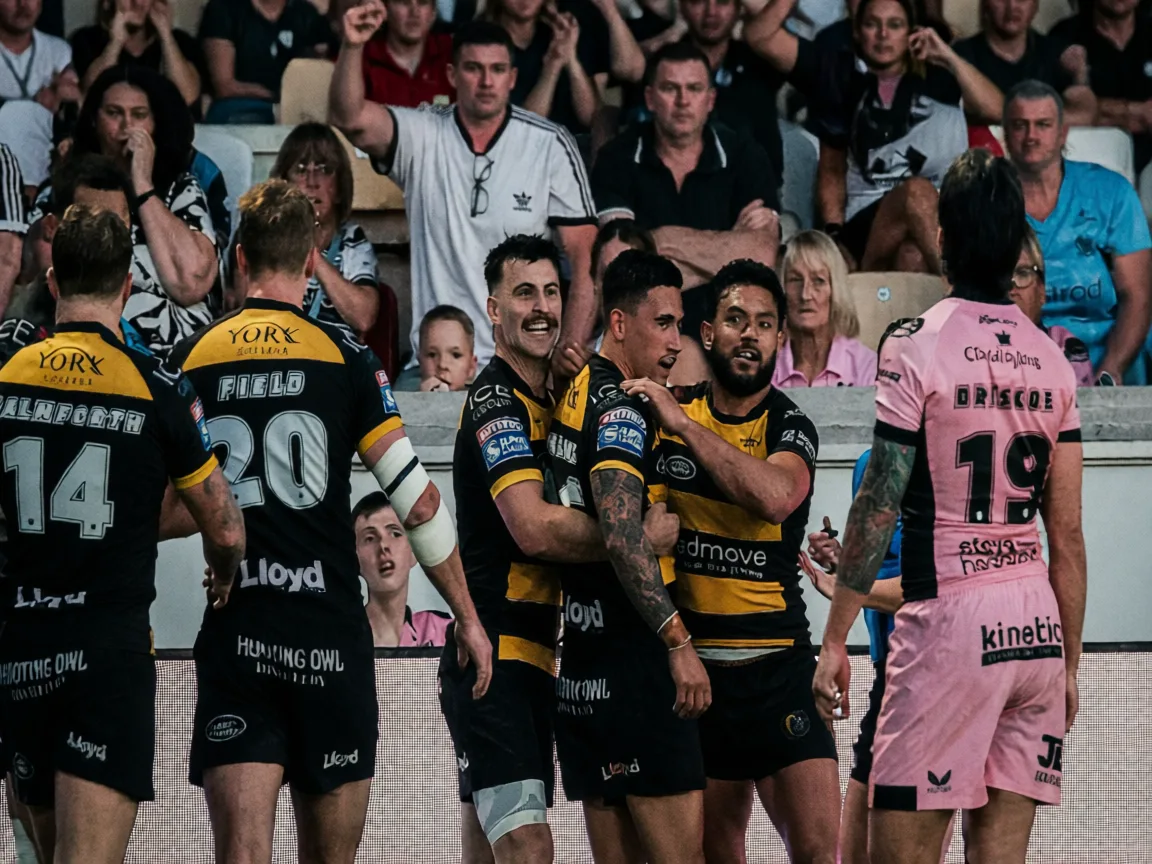
York Knights Make Super League History as Hull FC Away Crisis Deepens
York secure three straight Super League wins for the first time ever while Hull FC travel woes hit crisis point.
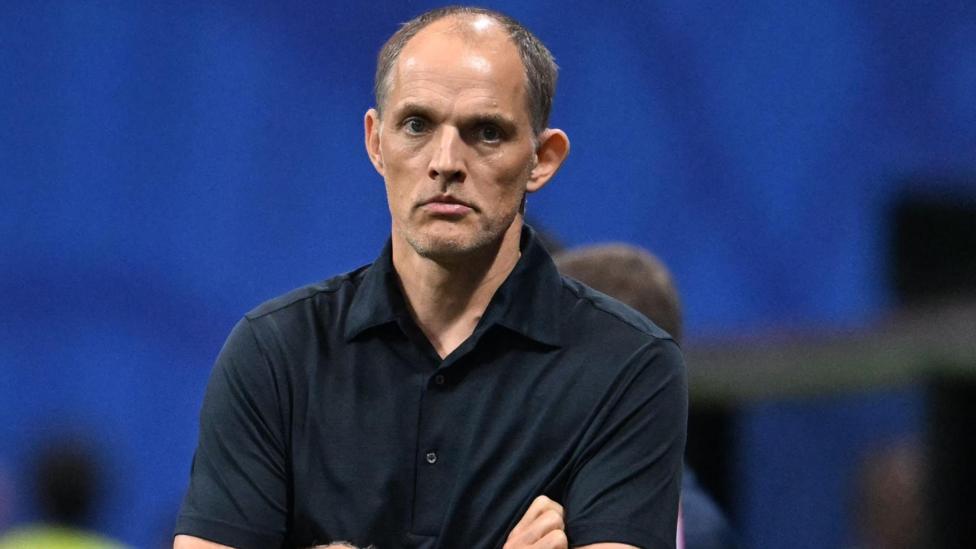
England Go Clandestine to Neutralize Mexico's Wall of Noise
Sleep science meets counter-intelligence as England deploy covert tactics to silence Mexico's deafening home advantage.