Hungarian Grand Prix Tyre Strategy: Why Hungaroring Rewards the Bold on Pit Stop Timing
The Hungaroring's dusty, low-grip surface turns tyre compound choice into the decisive variable on race Sunday.
Lights out at the Hungaroring and the engineers are leaning into their monitors, watching tyre temperatures spike through the dirty air. The opening lap is where Hungarian Grand Prix strategy is won or lost. A poor getaway traps a driver in the turbulence of the car ahead, cooking the front-left tyre before the field even reaches Turn 1. From that moment the race plan bends.
The Hungaroring is famously described as a street circuit without the walls. Tight, technical, and notoriously difficult to overtake on, it places extraordinary demands on front-tyre temperature management. The layout is a sequence of fourteen corners, mostly medium-to-low speed, with the soft asphalt offering very little natural grip off the racing line. Getting stuck behind a slower car does not just cost tenths, it degrades the rubber in a way that compounds over a stint.
Soft Tyres, Fast Starts, and the First Pit Window
The compound allocation for the weekend is the standard trio of soft, medium, and hard slicks, but the Hungaroring context shifts their relative value. The surface rubber-in slowly across the weekend, so what the teams measured in practice may not reflect conditions on Sunday afternoon. Ambient temperature, cloud cover, and dust blowing in from the surrounding hills introduce variability that keeps strategy engineers glued to live data.
The most aggressive teams will start on the softest compound if they qualified near the front, banking on building an early gap before the first pit window opens around lap 15 to 18. The soft tyre offers the most grip on a low-grip surface, and clearing traffic early allows a driver to manage the degradation curve. The trade-off is pit exposure: if the safety car deploys after the leader has stopped, a rival on a longer first stint gets a cheap stop and jumps ahead.
The medium compound is the workhorse option. Teams starting from the midfield often default to the medium because it tolerates following another car without shredding the surface. A driver on mediums who can maintain clean air for the first ten laps of a stint holds a genuine advantage when the pit window for the final stop arrives.
How the Undercut Collides with Dirty Air
The undercut is particularly potent at the Hungaroring because overtaking on track is so difficult. A well-timed stop is often the only way to pass a car holding you up. But the undercut works best when the rear car has tyre life left and the front car is fading. At the Hungaroring, dirty air degrades the following car so quickly that the pursuing driver sometimes burns through the advantage before the pit window even opens.
A one-stop strategy is theoretically possible since the Hungaroring is not the highest energy circuit on the calendar, but it requires flawless tyre management and clean air for an extended period. The risk: the field compresses around the stoppers, and a driver who stays out one lap too long can lose two or three positions to a rival who pitted early.
A two-stop strategy is the conventional approach. The first stop must be timed to either cover an undercut from behind or exploit the clean air ahead. Stop two laps too early and the final stint is too long on the hardest compound. Two laps too late and track position is gone. The final stop usually falls between lap 45 and 55, depending on the compound chosen for the run to the flag.
When the Safety Car Flips the Strategy
The safety car is the wildcard. A safety car during the first stint neutralizes the undercut because the entire field pits together, and the cars that started on the softest compound are committed to a longer run to the end. A safety car during the second stint can gift a cheap stop to any car that has not yet pitted, turning a two-stop into what is effectively one-stop for the final segment.
The most interesting strategic question is how many stops the leaders can afford. A one-stop plan is a commitment to low-risk, high-reward territory: get clean air, manage the front tyres, and bank on the difficulty of overtaking keeping the chasing pack at a distance. If a faster car is stuck behind, the undercut is the only tool available, and stopping early commits to a long final stint on a surface that might not offer the grip needed at the end. A two-stop plan is more flexible, allowing two aggressive stints with a shorter final run, but it means two cycles of surrendering track position in the pit lane.
The Final Stint: Compound Choice and Traffic
The leader's choice of compound for the closing laps depends entirely on what the first two stints revealed. If the soft tyre held up better than expected, extending the final stint on mediums becomes an option. If the front-left ran hotter than the data predicted, the hard compound is the safer call, even if it means surrendering pace to a challenger on fresher rubber.
Traffic management is the other variable. Unlike Monza or Spa, where a driver can blast past a backmarker on the main straight, the Hungaroring demands patience. Losing time behind a lapped car can cost a position if the pursuing rival is on a similar strategy. The best teams have their spotters in place, and the strategy desk maps out the likely pit window for every car on the lead lap, adjusting in-laps to create the buffer needed to emerge ahead after the stop.
Who Benefits Most From a Clean Execution
The team that nails first-stint timing gains the most. The driver who emerges from the first round of pit stops with clean air and tyre life to spare is in the box seat. At the Hungaroring, a well-executed undercut or a perfectly timed safety car stop is worth more than any single overtaking move on this circuit. The strategic disappointment falls on the team that leaves its driver out one lap too long on a fading set of mediums. The lost time behind traffic compounds, and the position is often gone for good.
Editorial Integrity
This is an original SportPulse article written by our editorial team. All content is independently researched, written, and reviewed by our writers and editors before publication. We do not publish copied, aggregated, or syndicated content.
SportPulse is committed to original sports journalism. Read our editorial policy or contact us with any questions.
More Like This
All f1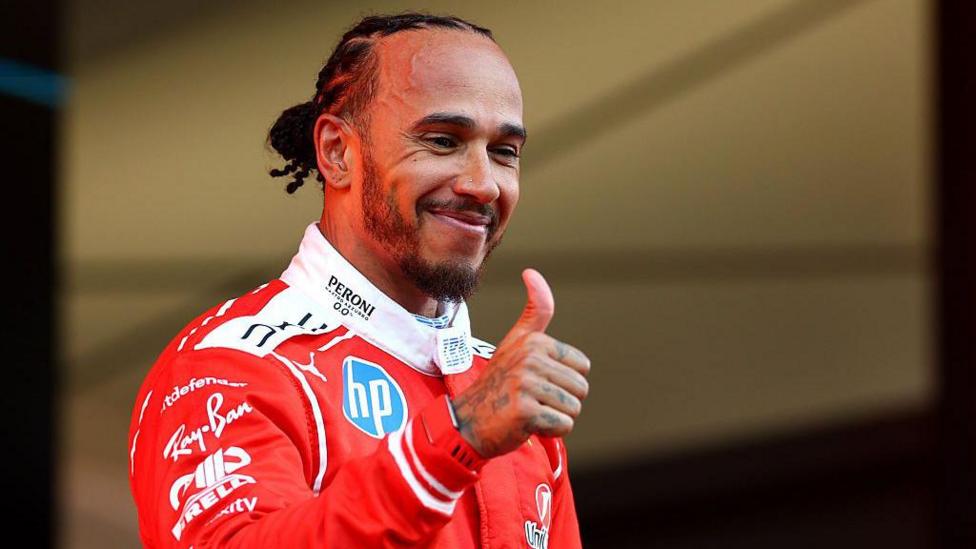
Hamilton's Monaco P2 Wasn't Luck — It Was Engineering Revenge
A second-place finish in Monaco reveals a Hamilton and Ferrari package finally clicking where it matters most.
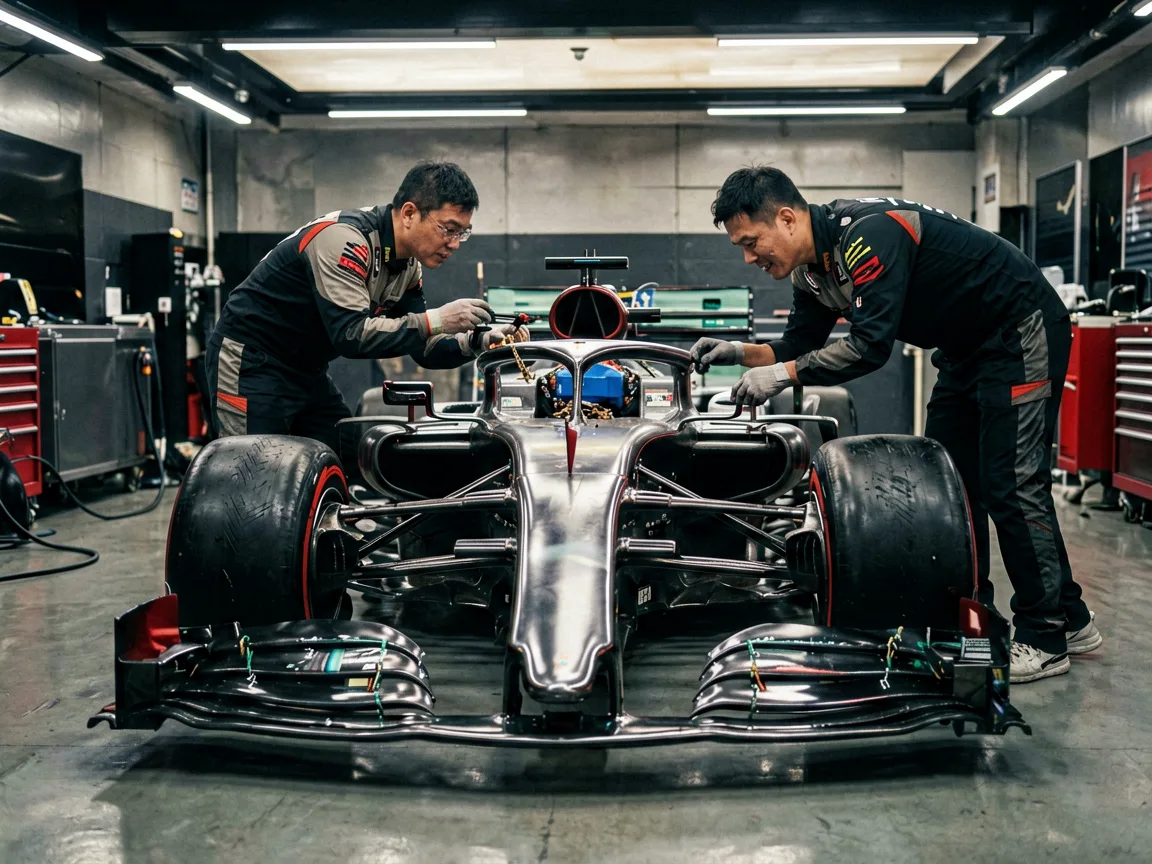
When Mechanics Decide Champions: Reliability's Hidden Hand
Mercedes and Kimi Antonelli face reliability questions, but history proves mechanical resilience decides titles as much as raw pace.
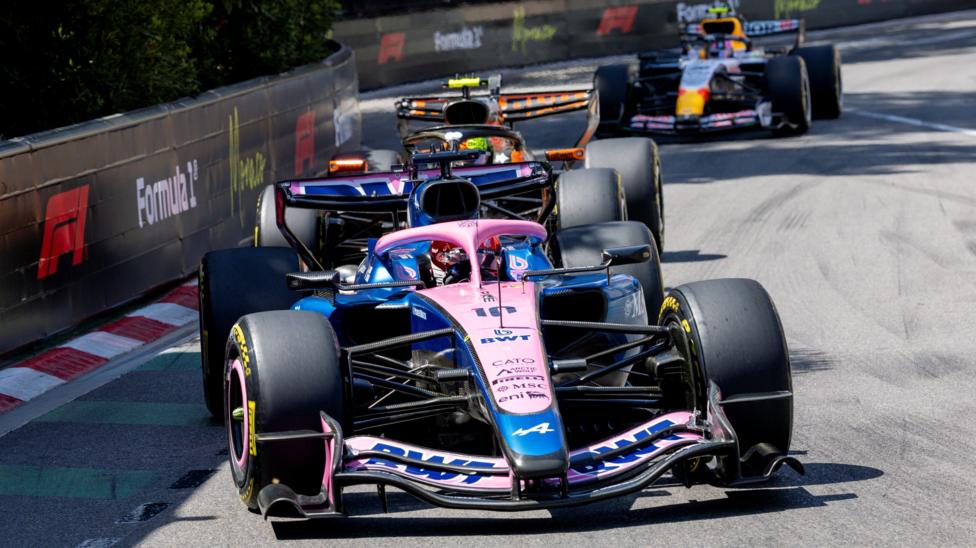
Gasly's Podium: Justice Served or Pandora's Box Opened?
Pierre Gasly's spotlight podium exposes the FIA's track limits crisis, a regulatory can of worms threatening Austrian Grand Prix integrity.