Budapest Paddock Marks 40 Years of the Hungarian Grand Prix
F1's teams gather at the Hungaroring one final time before the summer shutdown, with the circuit celebrating four decades on the calendar.
40 Years in the Valley Near Mogyoród
Thursday at the Hungaroring carried the mood of a final day before holidays. Teams and drivers filed into the paddock for the last time before Formula 1's mandatory summer shutdown, a two-week period where factories go quiet and personnel scatter. The Hungarian Grand Prix has long held this slot on the calendar: one last push before the enforced pause, a race that can define a championship narrative heading into the second half.
This year carries extra weight. The Hungaroring is celebrating the 40th anniversary of the Hungarian Grand Prix, a milestone on a calendar that has shed and added venues repeatedly since the mid-1980s. As part of the celebrations, the circuit officially named its corners for the first time, dedicating them to figures who shaped the track's history across four decades of World Championship racing. Lewis Hamilton, a multiple-time winner at the track, was among those honoured. Drivers and fans now have the circuit's sporting history written into its physical layout.
Behind the Iron Curtain, Built From Scratch in 1986
The Hungarian Grand Prix first appeared on the Formula 1 calendar in 1986, making it the first World Championship race held behind the Iron Curtain. Budapest was not a traditional motorsport heartland, and the infrastructure had to be built from scratch in the valley near Mogyoród. The race became a fixture anyway, surviving the collapse of the Soviet bloc, multiple ownership changes, and repeated questions about whether the narrow, twisty circuit could sustain modern F1 machinery.
The track is often compared to a go-kart circuit scaled up for 700+ horsepower cars. Overtaking has historically been difficult, with the layout rewarding qualifying position and race-day strategy over raw straight-line speed. The single DRS zone into Turn 1 provides the primary passing opportunity, and even that demands a significant pace differential or a well-timed defensive error from the car ahead. Budapest's typically high ambient temperatures push tire degradation hard through the long, sustained corners, and drivers who keep their machinery in a narrow operating window find themselves at the front. Those who overdrive pay for it in the second stint.
The Shutdown Shapes What Teams Do This Weekend
Formula 1's regulations mandate a 14-day shutdown during the summer, during which teams must close their factories and cease virtually all performance-related work. Wind tunnels, CFD clusters, and design offices go dark. Only essential maintenance and pre-approved administrative tasks continue. The rule exists to prevent wealthier teams from grinding through the break while smaller operations rest personnel.
That deadline shapes how teams approach Budapest. The Hungarian Grand Prix has a habit of producing decisive championship moments: a strong result here carries psychological weight that lingers during the enforced break, and a poor result has two weeks to fester. Development projects pause mid-flow. Sim correlation data sits unanalyzed. Upgrades that might have been ready for Spa or Zandvoort get pushed back. The teams that bank the right data and prepare the right updates before the lights go off often emerge stronger at the Belgian Grand Prix.
Some are already allocating resources toward 2026 development, the season when sweeping new regulations reshape the competitive order. Others are still fighting for this year's constructors' standings, where the financial implications of each position run into tens of millions of dollars in prize money. The end-of-term atmosphere in the paddock does not soften the competition.
A Contract That Keeps Surviving
The Hungaroring's contract situation has been a recurring topic in recent years. The circuit's facilities have aged, and Formula 1's commercial model increasingly favours purpose-built venues with massive hospitality infrastructure and government backing from nations willing to pay hosting fees that dwarf the Hungarian federation's budget. Yet the race persists, buoyed by strong spectator attendance and the event's cultural significance in Central European motorsport.
The 40th anniversary is a reminder that not every Grand Prix needs a Gulf state or a street circuit designed for social media clips. The Hungaroring offers a compact, technical layout in a natural amphitheatre where fans can see large portions of the circuit from a single vantage point.
Editorial Integrity
This is an original SportPulse article written by our editorial team. All content is independently researched, written, and reviewed by our writers and editors before publication. We do not publish copied, aggregated, or syndicated content.
SportPulse is committed to original sports journalism. Read our editorial policy or contact us with any questions.
More Like This
All f1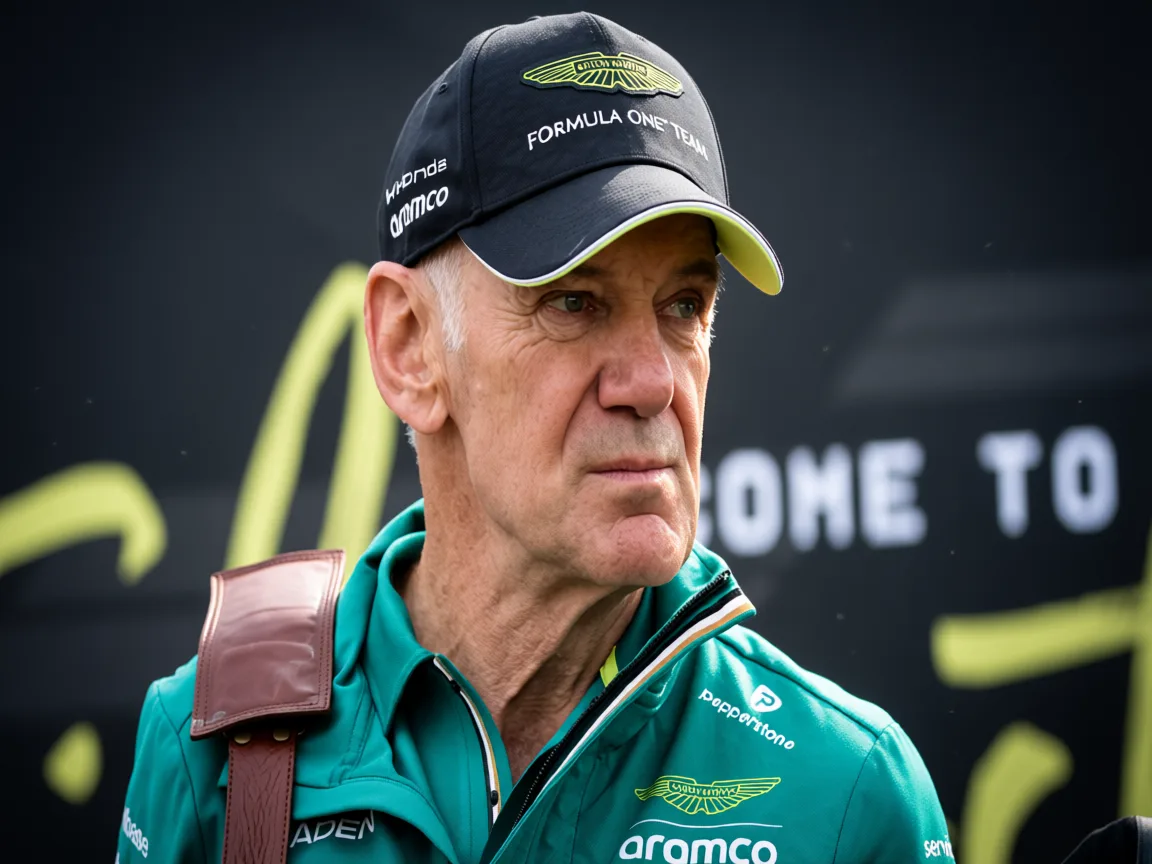
Why the Newey Effect Stalls Engineering Expectations
Adrian Newey's moves don't deliver instant wins because modern F1 regulations have compressed the creative genius advantage.
Nakamura Conquers Spa: A Sprint Race Masterclass
From P3 to the top step at Spa-Francorchamps, Jin Nakamura delivers a clinical maiden F3 win.
Can 2026's Radical Aero Rewrite Monaco's Overtaking Problem?
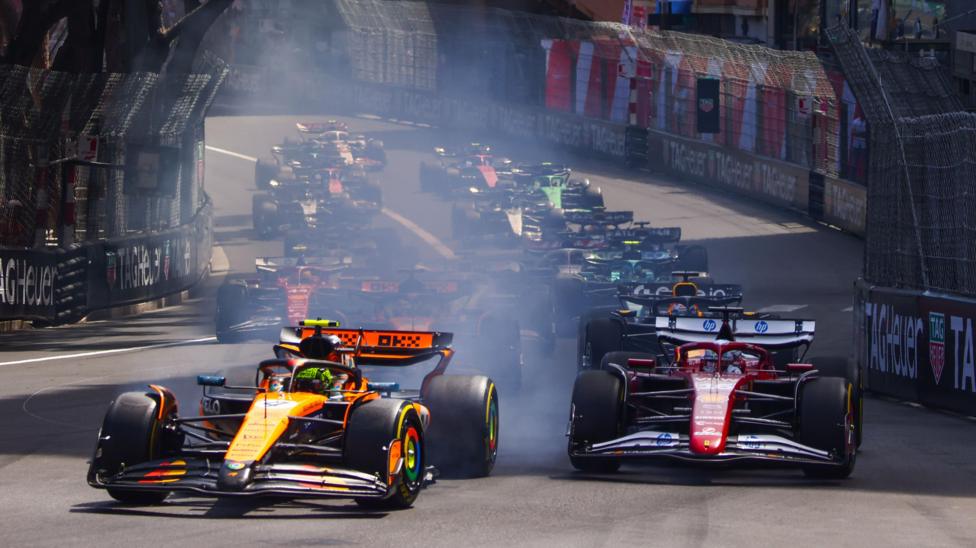
Active wings, reduced drag, and manual override modes could finally crack Monaco's gridlock — or make it worse.