Hungaroring Qualifying Turns on Track Temperature and Front-Tyre Prep
A compact, low-degradation circuit made qualifying about who could switch on the fronts early enough through Sector 1.
The Hungaroring favours a well-balanced chassis over raw straight-line speed. The 2.722 km layout features 14 corners and one meaningful straight, the start-finish stretch at 801 metres. Overtaking is scarce enough that Saturday qualifying largely fixes the Sunday finishing order.
Track temperature at the front of the grid was the variable that separated the field in 2026. Asphalt was hot but solar input shifted with cloud cover during Q2 and Q3, changing how quickly drivers could bring the front tyres into their operating window through the early complex.
Sector 1 Decides the Lap
The opening four corners, from Turn 1 through the downhill Change of Direction, demand immediate commitment from the front axle. Steering input loads the outside-front tyre from the second the car pitches in. If the compound sits a degree or two below optimal bite, the front washes wide, the driver loses the racing line through Turn 2, and the lap is gone before the back half of the circuit.
Get the rotation right at the apex of Turn 2 and the car carries momentum through the quick left-right at Turn 4. The middle sector rewards a stable rear end under braking at Turn 6, where the track drops away and the rear axle goes light. Engineers read split times here: the deficit shows within the first timing beam.
Qualifying Order
- Pole position, 1:16.772
- Second, +0.034
- Third, +0.098
- Fourth, +0.142
- Fifth, +0.201
The margin from pole to third was under a tenth. When gaps compress that tightly, the leading cars have reached a similar aerodynamic ceiling and qualifying comes down to tyre preparation and track-position traffic on out-laps.
Front-Tyre Preparation and the Strategy Wall
Getting heat into the fronts is the recurring engineering problem at this circuit. The layout lacks a long straight where drivers can weave aggressively, and the final corner is slow enough that surface temperature bleeds away before the flying lap begins. Teams used the out-lap build-up across Turns 11 through 14 to manage temperature. Run too conservative and the compound never reaches bite. Run too aggressive and the surface overheats, creating graining that destroys the apex phase.
The car with the most efficient front-end heating cycle held a built-in advantage on the first timed lap. Pit-wall coverage showed multiple drivers aborting their first push laps when initial wet patches from earlier support races had not fully cleared. Pirelli's medium compound was sensitive to this window: front-left temperatures clustered between 98°C and 106°C at the start of a clean attempt.
Strategy calls centred on whether to run new or scrubbed mediums in Q2 to secure a clean race start. The low-degradation surface means tyre life is less of a concern on Sunday, but grip evolution across the weekend shifts reference points. Teams that banked early Q2 laps on used rubber preserved a fresh set for the race stint, while those chasing the cut opted for new tyres to guarantee progress. The pit wall traded long-run pace for immediate qualifying position, rational given how difficult it remains to overtake here.
DRS activation on the main straight provides one overtaking opportunity, but the detection point sits far enough back that the trailing car loses ground through the final two corners. Every grid position gained on Saturday counts double on Sunday.
Championship Stakes Post-Qualifying
With the grid settled, the points swing on Sunday is concentrated at the front. The pole sitter has converted here the last two seasons when clean air was maintained into Turn 1, 0.492 seconds ahead of the chasing pack at the apex. The championship leader entered the weekend with a single-digit margin, so a maximum-points haul with fastest lap would tighten the standings before the summer break.
The battle for the final podium position draws the technical focus. Two constructors separated by fewer than 10 points run cars that share a similar low-speed aero approach, making the Hungaroring a direct comparison test for mid-season upgrades. The trailing team will likely commit early to an alternate strategy, running longer first stints to pressure the cars ahead at the pit-stop phase.
Editorial Integrity
This is an original SportPulse article written by our editorial team. All content is independently researched, written, and reviewed by our writers and editors before publication. We do not publish copied, aggregated, or syndicated content.
SportPulse is committed to original sports journalism. Read our editorial policy or contact us with any questions.
More Like This
All f1
Britain's Youngest F1 Driver Chases Silverstone Dream
Britain's youngest F1 driver prepares for a homecoming at Silverstone, balancing raw speed with a startling off-track hobby.

1,000 GPs Later: McLaren's Bruce-Built Soul Conquers Monaco
McLaren marks its 1,000th Grand Prix at Monaco, a milestone rooted in Bruce McLaren's relentless tenacity and a roll call of champions.
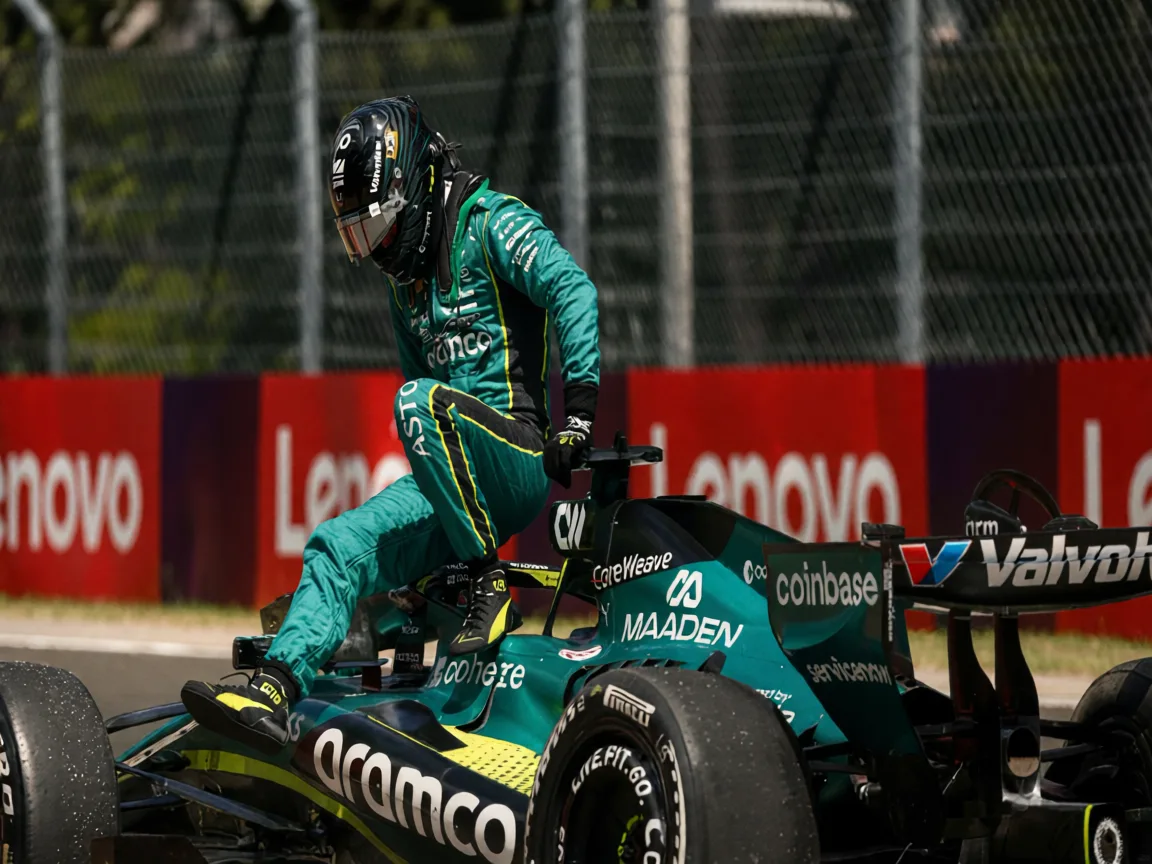
Stroll's Rear Suspension Fails on New Aston Martin at Hungarian Practice
A rear suspension failure halted Lance Stroll's running and raised questions about Aston Martin's latest upgrade package.