Infantino's Fifa: Politics Over Pitch, Profit Over Principle
Gianni Infantino's FIFA presidency turned governance into a revenue machine, prioritizing expansion over ethical reform. By Elena Rossi.
Gianni Infantino won the FIFA presidency in February 2016 on a pledge to reform an organization mired in scandal. Nearly a decade later, the reform narrative has given way to commercial expansion on a scale the sport has not seen before, with the World Cup at its center.
The clearest structural shift is expanding the men's World Cup from 32 to 48 teams for 2026. The decision was a business calculation to increase broadcast inventory, sponsorship tiers, and the number of host-nation markets under FIFA's commercial umbrella. More teams produce more matches, more advertising slots, and more regional qualifying revenue, especially across Africa, Asia, and the Americas, where global fandom outpaces the depth of domestic leagues.
The expansion has drawn criticism for diluting tournament quality, turning group stages into mismatches and rewarding geopolitical reach over competitive merit. The arithmetic tells a different story: every additional match generates millions in rights fees. FIFA's projected revenue for the 2022-2026 cycle exceeds $7 billion, a record for any sports governing body.
How that money circulates is less transparent. FIFA funds grassroots development programs, but only a fraction of total income reaches continental associations or developing nations directly. A significant share flows into FIFA's own operational costs: consultants, marketing campaigns, lobbying, all categorized under "modernization."
On the pitch, the consequences are tangible. Nations previously excluded by competitive weakness now qualify, but often as afterthoughts drawn into group-stage exits. Qualifying cycles have lengthened and fragmented, stretching domestic leagues and increasing injury risk for players shuttling between confederation fixtures and club commitments with minimal rest. The high-intensity pressing model that defines European club football degrades when squads return from six-month qualifying campaigns already depleted.
"We are opening doors," Infantino said at a 2023 FIFA briefing, defending the 48-team format. "Football belongs to everyone, even if they don't qualify every four years."
The framing equates inclusivity with volume. Greater geographic representation does expand media reach, but it also means dozens of sides arrive without the tactical cohesion of prior tournaments. Coaches preparing for probable group-stage exits face the same scheduling strain as those planning for the final, with half the preparation window.
A further conflict looms between FIFA and UEFA. UEFA's proposed mandatory summer break would clash with FIFA's plans to stage continental championships mid-cycle. If implemented, top clubs would have to choose between league consistency and releasing players for national duty, a new fault line in the dispute over who controls the calendar.
FIFA's current position is strong by any commercial measure: record viewership projections, rising brand valuations, and a tournament footprint that has moved the organization's finances well beyond the crisis era that preceded Infantino's tenure.
Editorial Integrity
This is an original SportPulse article written by our editorial team. All content is independently researched, written, and reviewed by our writers and editors before publication. We do not publish copied, aggregated, or syndicated content.
SportPulse is committed to original sports journalism. Read our editorial policy or contact us with any questions.
More Like This
All football
BBC's World Cup Delivers Record-Breaking Audience Across Every Platform
BBC Sport transformed World Cup consumption with a cross-platform broadcast strategy that shattered previous viewership records.

Everything on the Line: New Zealand's Giant-Killing Bid vs Belgium
Belgium can seal qualification with a win, but New Zealand have nothing to lose and everything to play for.
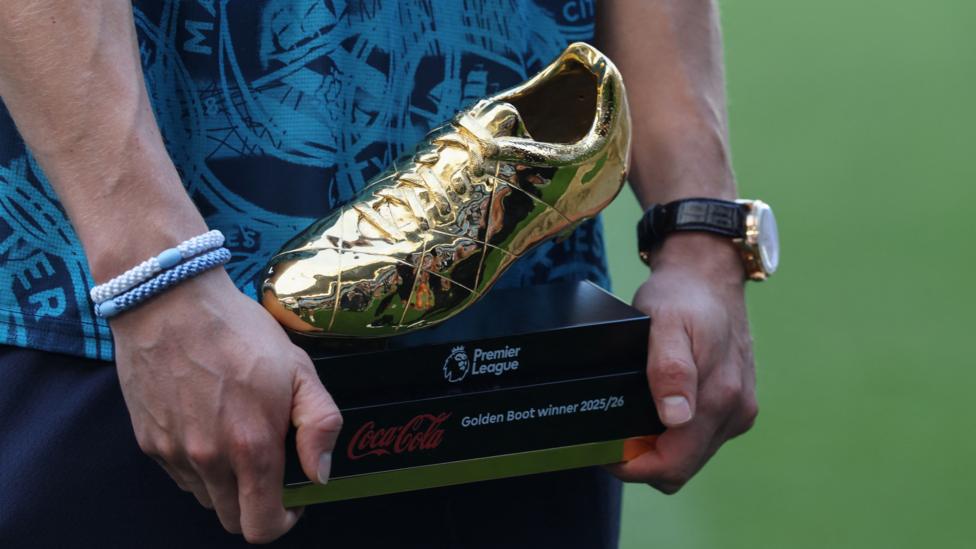
The Golden Boot: Inside the Premier League's Most Coveted Individual Prize
From Henry's four-time reign to Haaland's 36-goal demolition, the Golden Boot defines Premier League greatness.