Infantino's Prescription for FIFA Critics: Meditate, Pray, or Watch Football
The FIFA president channels his familiar playbook of deflection as criticism of his leadership intensifies once again.
Gianni Infantino has a message for those questioning his stewardship of world football's governing body: stop talking, start praying.
The FIFA president told his critics to "meditate, pray or watch a football match" rather than "spreading hate and false rumours" about him and the World Cup. He has now sharpened that posture with an open letter published on Monday, accusing detractors of being "so consumed by hate and criticism that you missed it all."
A posture years in the making
The comments arrived amid sustained criticism of his leadership, governance questions surrounding major tournament decisions, and ongoing unease about the legacy of the 2022 Qatar World Cup. Rather than address those concerns with data or institutional accountability, Infantino reached for something simpler.
He told people to go pray.
"Meditate, pray or watch a football match."
The instruction reveals how the most powerful figure in world football processes dissent. Critics, in Infantino's framing, are not engaged stakeholders with legitimate grievances. They are distributors of "hate and false rumours." The response to them is not engagement. It is dismissal wrapped in the language of spiritual self-improvement.
The open letter: escalation, not reflection
Infantino's Monday letter marks a deliberate escalation. Where his earlier remarks offered spiritual advice to critics, the letter directly accuses them of sitting "behind their screens spreading hate and false rumours" while FIFA staff work "on the front lines organising, working hard, and delivering the best show in the world."
"We experienced no violence, no incidents, 100% safety and security, only joy and happiness."
The 56-year-old pointed to the tournament won by Spain and staged across the United States, Canada and Mexico as proof that unity and safety defined the event. He again defended the Balogun affair and FIFA's treatment of the Iran team, two flashpoints that drew sustained criticism during the competition. The letter offers no new specifics on either controversy, restating his position that critics overlooked a successful tournament.
Qatar's shadow and the conflation tactic
Qatar 2022 remains the most scrutinized tournament in FIFA's history. The human cost of the infrastructure build, the migrant worker deaths, the last-minute alcohol ban at stadiums, the sportswashing allegations: none of it has been answered to the satisfaction of the organizations and journalists who raised those concerns.
Infantino suggested the appropriate response to all of it is to change the channel. "Watch a football match," he said, as though the product on the pitch is a rebuttal to the questions surrounding how it got there.
Infantino has consistently framed criticism of FIFA as an attack on the game itself. Question the governance, and you are questioning the sport. Push for transparency, and you are spreading hate. The logic is circular by design.
Insulation from accountability
FIFA's governance structure gives its president enormous insulation from accountability mechanisms that exist in publicly traded companies or democratically elected offices. Infantino was re-elected unopposed in 2023. The congress model means national football associations, many of which depend on FIFA development grants, hold the votes. The incentive structure tilts heavily toward deference.
A leader who faced genuine institutional challenge would need to answer questions with specifics. Infantino can answer them with a meditation suggestion because the system around him permits it.
The critics he references are external: journalists, human rights organizations, former FIFA officials, and occasionally government bodies. None of them vote at congress. None of them threaten his position. Their criticism generates headlines, but it does not generate ballot pressure. The meditation advice is rational behavior within the incentive structure Infantino occupies. He is speaking to an audience that cannot touch him, and signaling to the audience that can that he remains unbothered.
Ignore, dismiss, sermonize
FIFA under Infantino handles scrutiny in a specific pattern. First, ignore. Then, characterize criticism as bad-faith attacks. Finally, offer a soundbite that sounds philosophical but communicates nothing.
The "meditate, pray or watch football" line fits the third stage. It is quotable enough to generate coverage, vague enough to mean nothing, and dismissive enough to avoid any engagement with substance.
Compare it to how other major sports leaders have handled controversy. UEFA's Aleksander Ceferin engages in back-and-forth with the European Club Association over competition formats. The IOC, for all its faults, commissions independent ethics reviews. Infantino offers a sermon.
The question is whether the football associations that hold FIFA's governance power will ever demand something more concrete than spiritual wellness tips from the man running their sport. Historically, the answer has been no. And Infantino knows it.
Updated: 2026-07-27 - Added Infantino's open letter with direct quotes on critics, the Balogun affair, Iran treatment, and tournament safety claims.
Editorial Integrity
This is an original SportPulse article written by our editorial team. All content is independently researched, written, and reviewed by our writers and editors before publication. We do not publish copied, aggregated, or syndicated content.
SportPulse is committed to original sports journalism. Read our editorial policy or contact us with any questions.
More Like This
All football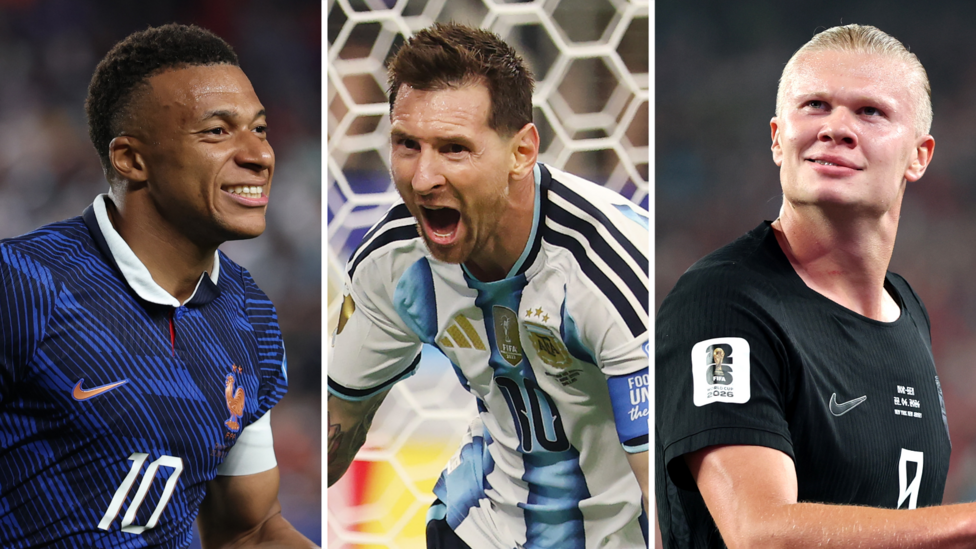
32 Teams, Endless Subplots: Why Every Club World Cup Tie Matters
The expanded Club World Cup is finally here, and the group stage is packed with narratives that demand your attention.
UEFA Declares War on FIFA Over Balogun Suspension Saga
UEFA accuses FIFA of crossing a red line by lifting Folarin Balogun's ban, sparking a governance crisis that could reshape football's power structure.
Guess World Cup Star No 34: The Tactical Blueprint Behind The Mystery
A deep tactical breakdown of World Cup star No 34's positional profile, pressing patterns, and the coaching philosophies that defined their tournament legacy.