IOC's $10K Olympian Grant Is PR, Not Progress
The IOC's new $10,000 grant per Games Masks the brutal math of Olympic preparation, where athletes spend triple that just to compete.
The International Olympic Committee loves a grand gesture, especially one that costs relatively little but generates maximum positive press. Enter the newly announced grant program: every future Olympian will now be able to apply for a grant of $10,000 (£7,600) for each Games they compete in. On the surface, it reads like a victory for athlete welfare. Dig even slightly beneath the veneer, and it exposes the staggering financial inequity of modern amateur sport.
The timing is impeccable, as it always is with IOC announcements. The organization drops this tidbit as if it were a landmark shift in athlete compensation, a benevolent patron finally sharing the wealth. But strip away the press release embroidery, and you are left with a sum that barely registers as a rounding error in the IOC's billion-dollar empire.
The Brutal Math of Olympic Dreams
To understand why $10,000 is functionally inadequate, you have to understand the actual cost of competing at the Olympic level. For the average athlete in a non-marquee sport, this grant covers roughly three to four months of elite-level training expenses. The quadrennial cycle lasts forty-eight months.
Consider the typical budget of an Olympic hopeful in track and field, swimming, or fencing. Coaching fees, facility access, physiotherapy, travel for qualification events, equipment, and basic housing routinely push annual costs well above $40,000 in Western economies. Over a four-year cycle, that is $160,000 minimum. The IOC is offering to cover roughly 6.25% of that burden per Games. It is a band-aid applied to a hemorrhage.
What Does $10,000 Actually Buy?
- 3-4 months of standard elite coaching and facility fees in major Western markets
- 1-2 international qualification trips including flights, accommodation, and entry fees
- Approximately 6-8 weeks of specialized sports medicine or physiotherapy
- A fraction of the cost for a single piece of specialized equipment in sports like cycling or rowing
"It is walking into a burning building with a squirt gun. It acknowledges the fire while doing nothing to extinguish it."
The contrast with professional football players in the Olympic tournament is almost comical. While a midfielder in the Premier League earns roughly £100,000 per week, the IOC is offering their Olympic counterparts the equivalent of a few days' wages, distributed once every four years. The gap between the commercial titans of the Games and the rank-and-file qualifiers has never looked so cavernous.
Follow the Revenue, Not the Rhetoric
The IOC is not a destitute institution scraping by. Thanks to the sale of broadcast rights and global sponsorship deals, the organization generated over $7.6 billion in revenue during the last four-year Olympic cycle. That is billion with a B. Out of that mountain of cash, they distribute roughly $4.3 million perNational Olympic Committee per cycle to support athlete development globally. It sounds generous until you divide it among the thousands of athletes within those committees.
Let us look at the per-athlete distribution. With approximately 10,500 athletes at the Summer Games and 2,900 at the Winter Games, the theoretical maximum payout of this new grant program sits around $134 million per cycle, assuming every single athlete applies and receives the full amount. That is less than 1.8% of the IOC's total revenue. In any other corporate structure, giving the actual product creators, in this case the very athletes who drive the television ratings, less than two percent of the gross revenue would trigger an immediate labor revolt.
The IOC Revenue Reality Check
- $7.6 billion total revenue generated in the last Olympic cycle
- $134 million theoretical maximum distributed through the new grant program
- 1.8% approximate percentage of total revenue allocated directly to the athletes via this grant
The Bottom Line: The IOC has brilliantly engineered a public relations pivot. By framing this as an investment in the athletes, they deflect from the staggering reality that the people generating the content are subsidizing the spectacle with their own debt.
The Psychological and Systemic Toll
Financial stress among Olympic athletes is not merely an inconvenience. It is a competitive disadvantage. Studies consistently show that elite athletes who work more than 20 hours per week outside their sport suffer a measurable drop in performance metrics compared to their fully funded peers. You cannot focus on shaving hundredths of a second off your personal best when you are calculating how to make rent.
Furthermore, the requirement to apply introduces unnecessary friction. Means-testing in athlete funding has historically favored those with the institutional knowledge or language proficiency to navigate the bureaucracy. A rower from a well-funded national body with a dedicated compliance officer will secure this money swiftly. A judoka from a smaller, under-resourced nation might miss the deadline or fail to fill out the paperwork correctly. Universal grants should be universal, not locked behind administrative hurdles that disproportionately penalize the already disadvantaged.
The grant also fails to account for the often catastrophic post-Olympic period. Athletes who fail to medal, which is over 90% of the field, frequently face a stark employment gap and zero institutional support the moment the closing ceremony ends. A one-time $10,000 payment does not fund a career transition, retraining, or the psychological support required when the spotlight abruptly shuts off.
Where Does the Money Actually Go?
If direct athlete compensation remains a fraction of a percent of total revenue, where is the rest of the money flowing? The answer lies in the bloated administrative apparatus of international sport. Multi-million dollar executive salaries, lavish per diems for committee members staying in five-star hotels, and the spiraling cost of hosting ceremonies that prioritize spectacle over substance.
Compare the IOC's approach to how major professional leagues handle revenue. In the Premier League, roughly 50% of total revenue goes directly to player wages. In the NBA, the collective bargaining agreement mandates a near exact 50-50 split of basketball-related income between owners and players. The IOC operates in a vacuum of accountability, where the labor force has no union and no collective bargaining power. The athletes are treated as independent contractors who should be grateful for the exposure.
Verdict: Until athletes receive a revenue share proportional to their value to the broadcast product, these grants remain performative charity rather than structural reform. You do not fix a systemic deficit with a four-figure handout.
What Real Reform Looks Like
If the IOC genuinely wants to address athlete welfare, the solutions are obvious, if politically inconvenient. First, direct athlete revenue sharing must be institutionalized, targeting a minimum of 10% of broadcast and sponsorship revenue. Second, the application process for any funding must be eliminated in favor of automatic, universal disbursement. Third, multi-year financial support extending two years beyond an athlete's final competitive appearance would prevent the post-Games financial cliff dive.
The $10,000 grant is better than nothing. But in the context of an organization swimming in billions generated entirely by the physical sacrifices of its participants, better than nothing is a pitifully low bar. The athletes deserve a seat at the table, not a crumb swept off it.
Editorial Integrity
This is an original SportPulse article written by our editorial team. All content is independently researched, written, and reviewed by our writers and editors before publication. We do not publish copied, aggregated, or syndicated content.
SportPulse is committed to original sports journalism. Read our editorial policy or contact us with any questions.
More Like This
All long-reads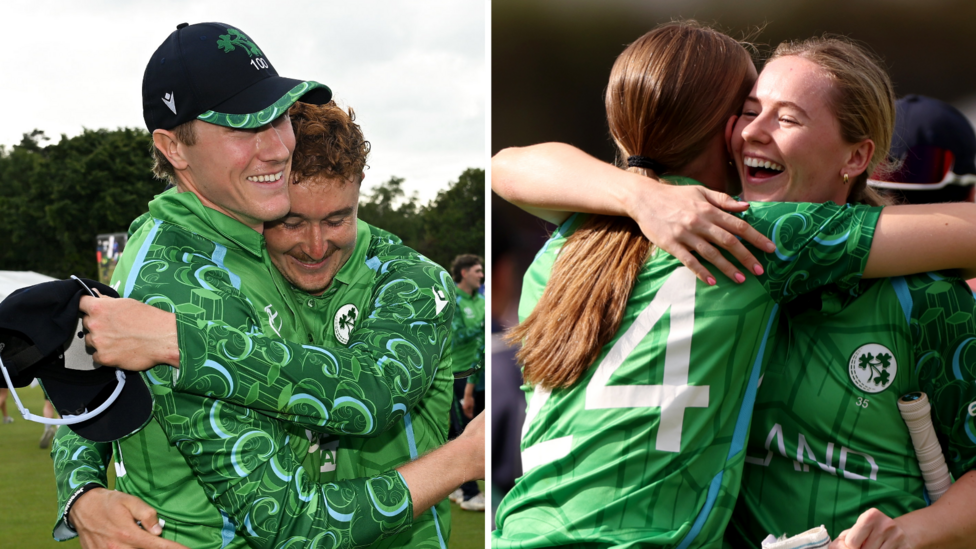
Ireland's Double Shocker: The Weekend That Redefined Irish Cricket
Ireland's men and women both claimed landmark victories against major nations in a transformative weekend for the sport.
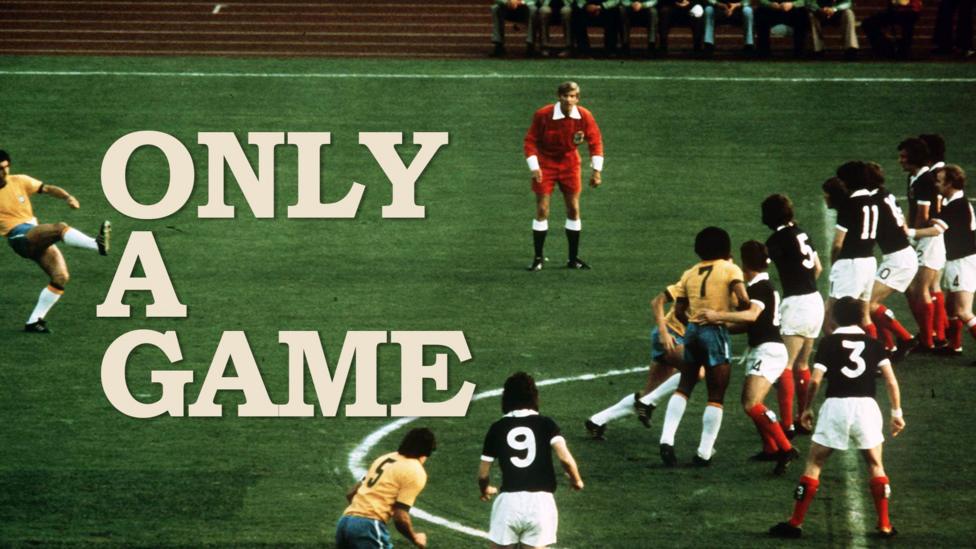
When Scotland Shut Down the Samba: The 1974 World Cup Classic Nobody Remembers
A 0-0 draw that should have changed Scottish football forever — and the rare footage that proves it happened.
From Hayes Estate to World Cup: Olise's Unlikely Rise
How a west London housing estate produced France's most exciting playmaker bound for the World Cup.