IOC Refuses to Investigate Infantino, Rules Complaint Outside Its Jurisdiction
The IOC has declined to act on a complaint against FIFA president Gianni Infantino, citing it falls outside the committee's scope.
IOC Declines to Investigate Infantino Complaint
The International Olympic Committee has formally declined to investigate a complaint filed against FIFA president Gianni Infantino, determining the matter falls outside the committee's scope. The IOC offered no elaboration beyond stating the complaint was "outside" its authority, and provided no details on the nature of the complaint, who filed it, or what conduct it alleged. The committee's response was categorical and immediate.
The Complaint Reached the IOC, Not FIFA's Own Ethics Bodies
FIFA is not an Olympic sport federation in the traditional sense, though football remains the Summer Games' marquee team event and generates enormous commercial interest for the IOC. Infantino has cultivated a visible presence in Olympic circles, attending Games and courting relationships with national Olympic committees, particularly as FIFA expands its tentpole events into new markets.
The complaint's path to the IOC rather than to FIFA's own governance structures signals frustration with internal accountability mechanisms. FIFA's Ethics Committee, once positioned as an independent check on presidential conduct, has undergone personnel changes under Infantino's leadership that critics argue have weakened its independence. The routing indicates the complainant saw no credible venue inside FIFA.
The IOC has no established mechanism for adjudicating disputes internal to a sport's governing body unless those disputes directly implicate Olympic eligibility, bidding processes, or the committee's own codes of conduct. The complaint against Infantino did not cross that threshold.
Every External Challenge to Infantino Has Ended the Same Way
This outcome reinforces a pattern since Infantino assumed office in 2016. The Swiss special prosecutor's investigation into Infantino's undisclosed meetings with former Attorney General Michael Lauber produced a trial, but the court acquitted Infantino in 2022. UEFA's political opposition, once fierce during the 2016 election cycle, has largely dissipated as federations align with FIFA's expanding commercial model.
The IOC's refusal does not validate or invalidate the complaint's substance. It means no body with cross-sport jurisdiction has agreed to examine it. For Infantino, who navigated the Lauber affair and consolidated control over FIFA's governance apparatus, the outcome follows the same trajectory as every prior external challenge.
With FIFA's internal processes viewed with skepticism by external critics and the IOC declining jurisdiction, the complaint has no institutional home. Short of a national legal proceeding, no obvious avenue exists for it to be formally adjudicated.
The Governance Void Between Lausanne and Zurich
The IOC positions itself as the apex of the Olympic movement, yet its jurisdiction is narrower than its public profile suggests. FIFA, the richest and most politically potent federation within that movement, operates with substantial autonomy. When complaints cross the boundary between the two organizations, they fall into a gap neither institution claims responsibility for filling.
The reform agenda that followed FIFA's 2015 corruption crisis, driven partly by US Department of Justice indictments, produced changes to FIFA's statutes and ethics framework. External, independent oversight over FIFA's presidency remains nonexistent. The IOC's decision confirms it will not come from Lausanne. Accountability for the FIFA presidency depends almost entirely on mechanisms that FIFA itself controls.
No Further IOC Action Expected; 2025 Congress Is the Next Test
The complainant has not been publicly identified, and it is unclear whether they will seek alternative venues. Infantino continues to serve in a role he secured through FIFA Congress, the body that also elects and, theoretically, could remove him.
The next significant pressure point for Infantino's leadership will likely come from the politics of FIFA's 2025 Congress and the federation's ongoing calendar reforms, where competing interests among confederations could test his coalition. Governance scrutiny historically intensifies when political alignment inside FIFA weakens.
Editorial Integrity
This is an original SportPulse article written by our editorial team. All content is independently researched, written, and reviewed by our writers and editors before publication. We do not publish copied, aggregated, or syndicated content.
SportPulse is committed to original sports journalism. Read our editorial policy or contact us with any questions.
More Like This
All football
The Teacher Behind Argentina's Twin Talents: How Maths Shaped Álvarez and Fernández
A schoolteacher from Argentina unknowingly helped shape two World Cup winners now chasing glory again.
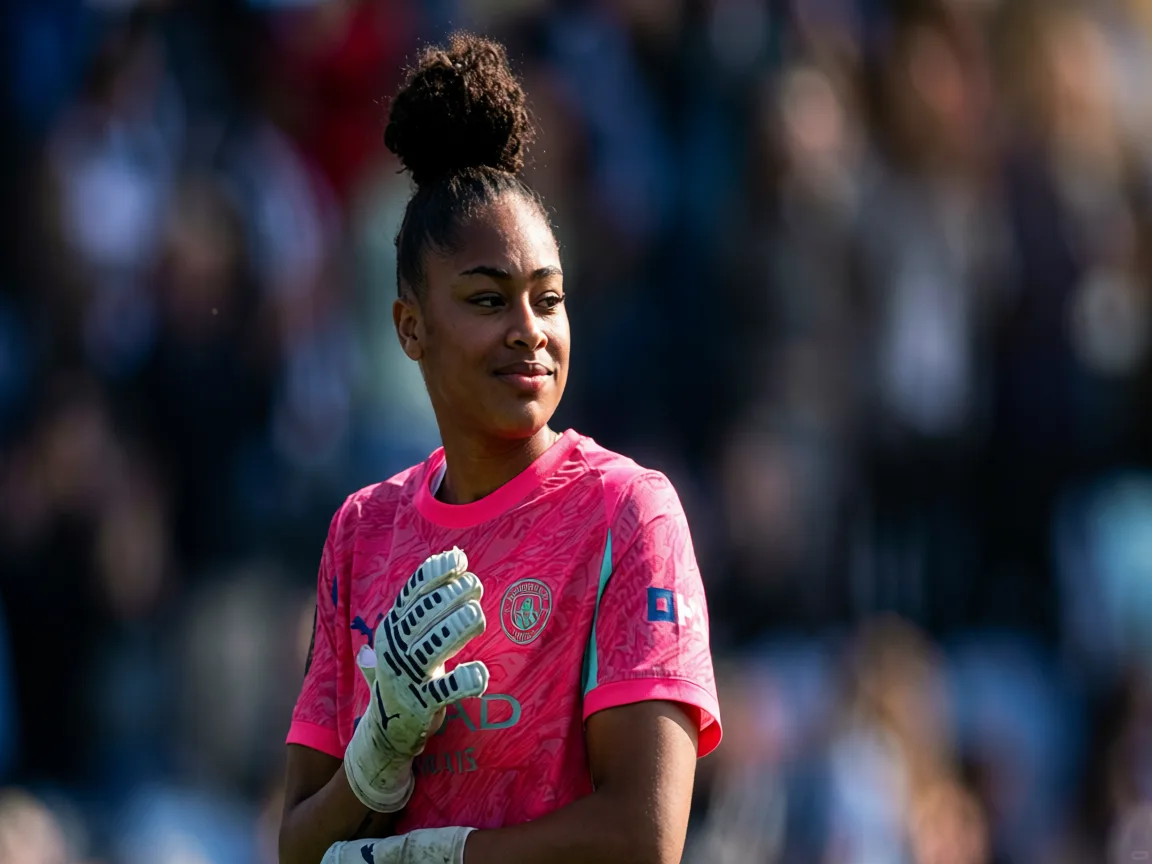
Liverpool Land England Keeper Keating on Free from City
Liverpool secure England international Khiara Keating on a free transfer from Manchester City, reshaping their goalkeeping hierarchy.
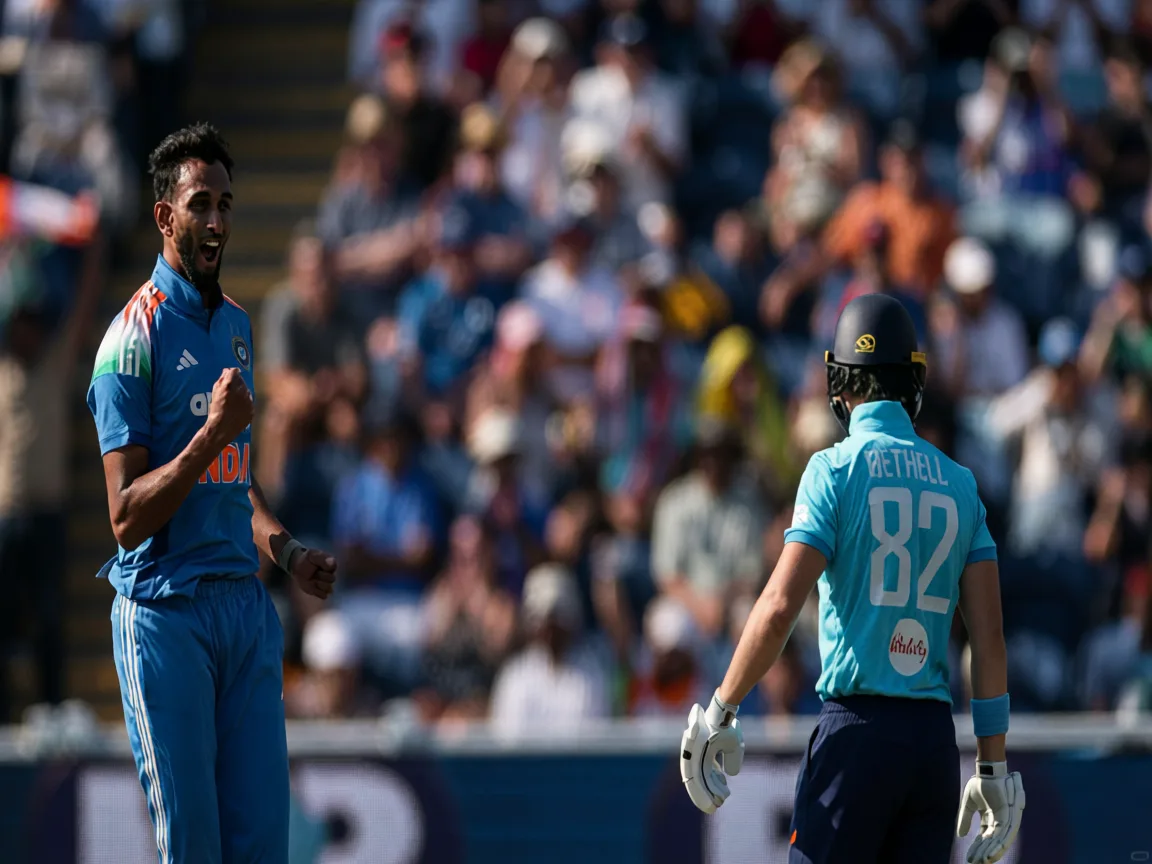
England Top Order Crumbles as India Dominate Cardiff Chase
England slumped to 8-2 inside four overs against India in Cardiff, exposing a top-order crisis that demands urgent reassessment ahead of the World Cup.