Iran's Extra US Prep Time Signals Geopolitical Thaw Before World Cup
DHS grants Iran extended US stay ahead of final World Cup group game, easing diplomatic tensions on football's grandest stage.
Diplomacy Now Has a Kickoff Time
The US Department of Homeland Security doesn't typically make headlines in the sports pages. But when the agency announces it is granting Iran's national football team extended time on American soil ahead of their final World Cup group-stage match, the intersection of geopolitics and the beautiful game demands more than a passing mention.
This is not a minor administrative adjustment. For decades, the Iran-United States dynamic in football has carried a weight far beyond the pitch, and every concession, every visa stamp, every procedural decision becomes a statement about something larger than sport. The DHS decision to allow Iran's squad 48 hours of preparation time in the US ahead of their crucial group-stage finale against Egypt is, at its core, a calculated diplomatic gesture wrapped in a sporting courtesy. This concession came after Team Melli had planned to lodge an official complaint with FIFA about the “restrictions imposed by the organisers.”
The Weight of a World Cup Between These Two Nations
To understand why this matters, you need to understand the history. Iran and the United States have met twice at the World Cup, and both occasions transcended football in ways that left indelible marks on the tournament's cultural fabric.
The 1998 World Cup in France produced one of the most politically charged matches in the competition's history. Iran defeated the US 2-1 in Lyon, a result that sparked celebrations in Tehran and became a symbol of national pride far beyond sport. Players posed for a joint team photo before kickoff, a gesture meant to signal unity, but the match itself was anything but neutral in its emotional resonance.
Fast forward to the 2022 World Cup in Qatar, and the script flipped. The USA ground out a 1-0 victory, eliminating Iran from the group stage in a match played under enormous psychological pressure. Christian Pulisic's goal sealed it, but the tension in the stadium had nothing to do with tactics and everything to do with the political firestorm raging off the pitch, with Iranian protesters using the global platform to voice dissent against their government.
Now, in 2026, the two nations won't necessarily meet in the group stage, but Iran will play at least one match on US soil, a logistical and diplomatic reality that demanded months of behind-the-scenes negotiation. The DHS announcement confirms those negotiations bore fruit.
What "Extra Preparation Time" Actually Means
Let's be precise about what the DHS decision entails. Iran's delegation, players, coaching staff, and support personnel will be permitted to enter the United States 48 hours before their match against Egypt, a significant increase from the 24-hour windows granted before their first two games. The team had been training in Mexico prior to the tournament.
This matters more than casual observers might assume. International tournaments demand acclimatization, and the 2026 World Cup will span 16 cities across three nations. Altitude variations, climate shifts between venues, time zone adjustments, and jet lag all affect performance at the margins. Research published in the British Journal of Sports Medicine has shown that teams arriving at least five to seven days before a competitive match experience measurable improvements in reaction time and sprint output compared to those with shorter preparation windows.
For Iran, a team whose World Cup campaigns have historically been defined by fine margins, those extra days could be the difference between advancing from the group stage for the first time in their history and another early exit. In 2022, they finished third in Group B with three points, level with the USA but eliminated on goal difference. In 2018, they collected four points in a brutal group featuring Spain and Portugal, missing out by a single result. Every fraction of preparation counts.
The Diplomatic Subtext
Strip away the sporting veneer, and this decision carries unmistakable diplomatic signals. The US-Iran relationship remains one of the most complex and volatile in international affairs. Sanctions, nuclear negotiations, proxy conflicts, and mutual distrust have defined the bilateral dynamic for over four decades.
Hosting a rival nation's football team on your soil is not a neutral act. The DHS could have applied standard entry procedures, forcing Iran's delegation to arrive within a tighter window. The fact that Iran was considering a formal FIFA complaint highlights the acute frustration caused by the previous 24-hour restrictions. The decision to grant extended access suggests a deliberate choice to avoid controversy, or perhaps to use the World Cup as a soft-power opportunity.
"Sport has always been one of the few arenas where political adversaries can occupy the same space with a shared purpose. This decision reflects that reality."
The 2026 World Cup is, after all, the most geopolitically complex edition of the tournament ever staged. With 48 teams competing across 104 matches, the sheer volume of diplomatic logistics is unprecedented. The US government has been working for years to ensure the tournament proceeds without political incident, and every accommodation made for visiting federations is part of that broader strategy.
Iran's World Cup Pedigree and What 2026 Represents
Iran has qualified for six World Cups (1978, 1998, 2006, 2014, 2018, 2022) but has never progressed beyond the group stage. That record makes them one of the most experienced underachievers in World Cup history, a team that consistently qualifies but consistently falls short when it matters most.
Under current management, Iran's squad features a blend of European-based talent and domestic league stars who have developed a more structured tactical identity. Their defensive organization has improved significantly; in 2022, they conceded just four goals in three group matches, including a clean sheet against Wales. The issue has always been at the other end: Iran scored only four goals across their three matches in Qatar, a conversion rate that simply isn't sufficient to survive at the knockout level.
The 2026 tournament, with its expanded 48-team format, offers Iran a more forgiving path to the knockout rounds. The top two teams from each group advance, plus the eight best third-placed teams. For a nation that has historically finished third, that change alone could be transformative. Adding the advantage of extended on-ground preparation in the host country only strengthens their position.
The Bigger Picture: World Cup Logistics as Soft Power
The DHS decision is not happening in a vacuum. It reflects a broader trend in which host nations use World Cup logistics as instruments of diplomatic engagement.
Qatar 2022 was the ultimate example, with the Gulf state leveraging the tournament to reshape its international image, for better or worse. Russia 2018 served a similar function for the Kremlin. Now, with the United States hosting the largest World Cup in history, the optics of welcoming all 48 participating nations, including geopolitical adversaries, carry significant weight.
Iran is the most politically sensitive guest on the list, but they are far from the only one. The US must navigate entry protocols for teams from nations with strained diplomatic relations, and every precedent set with Iran will inform how other delegations are handled.
The Bottom Line
The DHS decision to grant Iran extended preparation time is a small but symbolically significant gesture that speaks to the intersection of sport and statecraft at the 2026 World Cup. For Iran's players and coaches, it means additional days to acclimatize and train, a tangible competitive advantage for a team that has historically been eliminated by the finest of margins. For the tournament organizers and the US government, it represents a calculated move to ensure the event's political dimensions don't overshadow the football.
Neither side will admit it publicly, but this decision was as much about diplomacy as it was about dribbling.
What's Next
The full group-stage draw for the 2026 FIFA World Cup will determine Iran's opponents and venue assignments, at which point the practical implications of the extended preparation window will crystallize. Expect further diplomatic maneuvering as kickoff approaches, with both nations acutely aware that every interaction during the tournament will be scrutinized through a political lens.
For Iran, the mission remains unchanged: reach the knockout rounds for the first time in eight World Cup appearances. The extra days on American soil won't score goals, but they might just provide the foundation for history.
Updated: 2026-06-26 — Added details on Iran's planned FIFA complaint, training base in Mexico, and specified the 48-hour entry window for the Egypt match.
Editorial Integrity
This is an original SportPulse article written by our editorial team. All content is independently researched, written, and reviewed by our writers and editors before publication. We do not publish copied, aggregated, or syndicated content.
SportPulse is committed to original sports journalism. Read our editorial policy or contact us with any questions.
More Like This
All football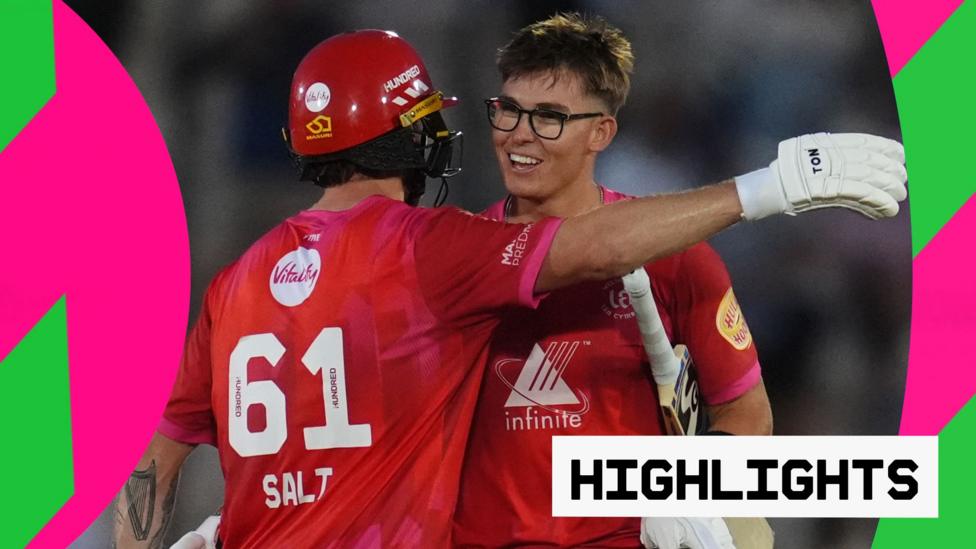
Salt's Unbeaten 47 Grounds Welsh Fire in Southampton Slog
Phil Salt carried his bat through a low-scoring chase, exposing Southern Brave's fragile middle order in the process.
Spain's Possession Suffocates Argentina's Tactical Bankruptcy in World Cup Final
Spain's positional play dismantled Argentina's cynical anti-football in a final that exposed the limits of chaos against coherent structure.

McInnes hit with four-match touchline ban for 'disgusting' Celtic penalty outburst
Rangers manager receives suspension over comments made during Hearts tenure about a late Celtic penalty at Motherwell.