Draper Signals Intent With Gritty Eastbourne Return
Jack Draper shook off a two-month knee injury absence to grind past Marcos Giron, setting up a fiery all-British clash.
The limp is gone. The hesitation has vanished. Jack Draper is back.
Two months of doubt, rehabilitation, and quiet agonizing evaporated on the Devonshire Park lawns. In his first competitive match since early May, the British number one returned from a persistent knee injury to dispatch USA's Marcos Giron 6-4, 7-6 (7-5).
It was never going to be a pristine procession. Grass-court tennis rarely is for someone coming off a lengthy layoff. But the sheer stubbornness Draper displayed told you everything about his readiness for the fortnight ahead.
The Weight of Two Months
Consider the landscape Draper was stepping back into. A knee injury is a sinister foe for a professional tennis player. It strips you of the explosive first step, the confidence to slide, the foundation of your power.
Draper hadn't played a competitive point since retiring in his Madrid Open quarter-final against Holger Rune on May 2. Since that moment, the narrative surrounding British tennis' brightest talent had shifted from celebration to concern.
Wimbledon loomed. The grass-court swing was slipping away. Every day spent off the tour was a day lost in the critical pursuit of ranking points, rhythm, and momentum.
"When you're watching from the sidelines, you feel the season ticking away. Coming back isn't just about physical health, it's about proving to yourself you still belong at this level." — Insights from a tour-level player on returning from injury.
Draper arrived at Eastbourne with zero match practice on grass this summer. The rust was inevitable. The question was whether the engine would still fire when he needed it most.
Surviving the Giron Test
Marcos Giron is the exact opponent you do not want to face when you are finding your feet. The American is a seasoned baseliner, boasting a deft touch and a relentless competitive spirit.
Giron does not beat himself. He forces you to hit through him, to find the lines, to outlast him in the grueling baseline exchanges that grind down lesser wills.
The first set was a study in managing physical uncertainty. Draper was feeling his way into the match, testing the knee in live combat. Yet, he still managed to secure a critical break of serve.
A 6-4 opening set masked the underlying tension. Draper was serving well enough, but the movement to his forehand side lacked his trademark explosive fluidity.
Then came the second set. Giron, sensing vulnerability, raised his level. The American began targeting the Draper forehand corner, dragging the Brit wide and testing that recovering knee joint.
The set raced toward a tiebreak, confirming that this return was going to be a battle of attrition rather than a straightforward confidence booster.
The Tiebreak Crucible
Tiebreaks strip away the safety net of casual errors. They are pure psychological warfare.
Draper fell behind early in the breaker. The fragile nature of a comeback was staring him directly in the face. Drop this set, and you are dragged into a grueling decider on a recently healed knee.
Instead, he found another gear.
Draper unleashed a sequence of ferocious forehands, taking the ball early and robbing Giron of time. He erased the deficit, flipped the pressure entirely onto the American's shoulders, and closed out the 7-5 tiebreak.
The roar that echoed across Centre Court was one of relief and raw release.
Behind the Return: Tactical Shifts
Returning from injury requires more than just showing up. Draper's victory over Giron revealed subtle but crucial adjustments to his game plan.
- Serve dominance: He relied heavily on his lefty serve to dictate points, minimizing the number of grueling baseline exchanges he had to navigate.
- Forehand aggression: Rather than engaging in prolonged rallies, Draper looked to end points early with his signature heavy forehand.
- Shortened points: Awareness of the knee meant reducing overall court coverage, opting instead for high-risk, high-reward shot selection.
This calculated aggression is a hallmark of a player who knows his body's current limits. Draper didn't try to be the player he was before the injury. He adapted to be the player he needed to be on this specific afternoon.
The All-British Showdown
The reward for surviving Giron is a collision course with fellow Brit Jack Pinnington Jones.
On paper, Draper is the overwhelming favorite. He possesses the tour-level pedigree, the ranking, and the arsenal of weapons that Pinnington Jones is still striving to consistently assemble.
But this match carries a unique psychological weight. Playing a countryman, particularly one hungry to announce himself on the big stage, is a trap disguised as a routine obligation.
Pinnington Jones has absolutely nothing to lose. He will swing freely, fueled by the adrenaline of competing against his nation's top seed.
Draper, conversely, carries the immense burden of expectations from the British tennis ecosystem, desperate for a deep Wimbledon run from their leading man.
"These all-British clashes are famously tricky. The lower-ranked player knows your game inside out from practice sessions. There are no secrets, just execution." — Tour coaching insight on domestic matchups.
Draper must navigate this encounter efficiently, protecting his knee while extinguishing any early momentum Pinnington Jones tries to generate.
The Wimbledon Horizon
All of this is a prelude. Eastbourne is merely the dress rehearsal for the main event.
Draper's performance against Giron provides a massive boost to his Wimbledon seeding and confidence. A defeat in the opening round of a grass-court warm-up would have sent alarm bells ringing through the All England Club.
Instead, he has answered the most pressing question: Can he still compete at the highest level post-injury? The answer is a resounding, if gritty, yes.
Yet, a deeper run at Eastbourne remains vital. Draper desperately requires more match reps. He needs to test his lateral movement under sustained pressure. He needs to feel the physical toll of back-to-back matches on grass.
Wimbledon will not offer the luxury of slow reintegration. The championship demands immediate sharpness.
If Draper can navigate past Pinnington Jones and build momentum through the Eastbourne draw, he transforms from an injury doubt into a dangerous floater.
And when Jack Draper is healthy and confident, his heavy lefty serve and destructive forehand make him a nightmare for anyone in the top ten.
The grass season has finally found its British protagonist. The question now is whether the script allows him to reach the final act.
Editorial Integrity
This is an original SportPulse article written by our editorial team. All content is independently researched, written, and reviewed by our writers and editors before publication. We do not publish copied, aggregated, or syndicated content.
SportPulse is committed to original sports journalism. Read our editorial policy or contact us with any questions.
More Like This
All tennis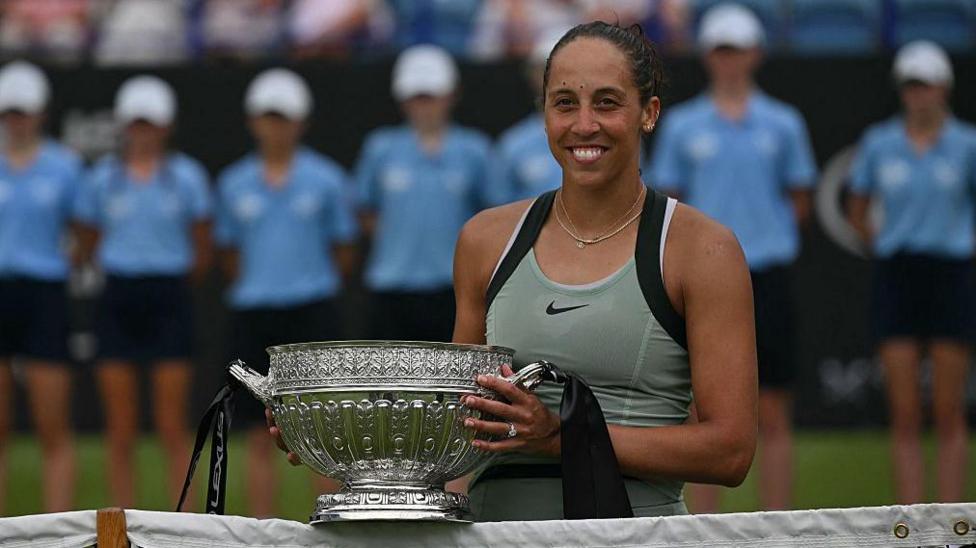
Keys Conquers Eastbourne: Third Title Signals Wimbledon Intent
Madison Keys captured her third Eastbourne title, using her explosive power to dismantle Tatjana Maria andannounce her Wimbledon candidacy.
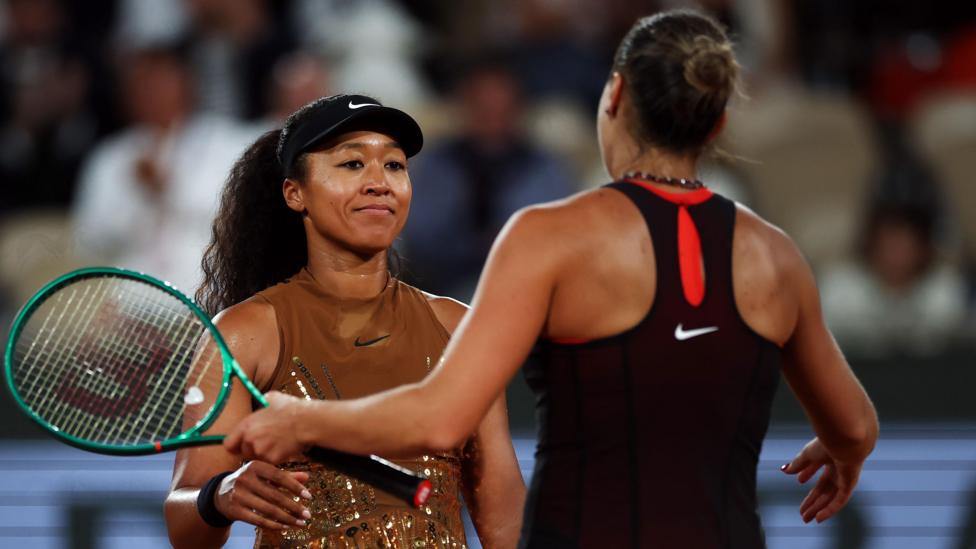
Sabalenka vs Osaka Shatters the French Open Night Session Glass Ceiling
An 87-minute thriller between Aryna Sabalenka and Naomi Osaka finally gave Roland Garros the X-factor its controversial night sessions have been missing.
The Serve That Heals: Anisimova Channels Serena to Rewrite Her Wimbledon Story
Amanda Anisimova fired 20 aces to survive Sofia Kenin and continue her redemptive Wimbledon journey.