King Charles Backs Cricket Team That Can't Play: A Stand for Afghan Women
King Charles meets the exiled Afghan women's cricket team, spotlighting a fight for recognition against the Taliban's sports ban.
In a London meeting room far from the cricket pitches they can no longer use, the Afghan women's cricket team found a powerful ally. King Charles III this week welcomed players from the national side, a team that exists in defiance of a regime that forbids their sport.
The visit was more than a royal courtesy. It was a pointed act of political recognition for a group rendered invisible by the Taliban takeover in August 2021. The message from Buckingham Palace was clear: these athletes are seen, and their struggle is noted on the world stage.
Exiled But Not Silent
The team's journey is one of the most painful narratives in modern sport. Before 2021, Afghanistan's women's program was a symbol of progress. Players were emerging from a background of immense cultural barriers to compete internationally.
The Taliban's return to power dismantled that progress overnight. The new government banned women from playing sports in public, calling it against their interpretation of Islamic law. The Afghanistan Cricket Board (ACB), now under Taliban influence, effectively dissolved the women's setup.
The players didn't just lose their games. They lost their funding, their coaches, and their official pathway. Many fled the country. Those who remained faced threats. The team became a ghost—officially nonexistent, yet refusing to be forgotten.
The ICC's Controversial Stance
This royal meeting puts a fresh spotlight on the International Cricket Council's (ICC) contentious position. The world governing body has continued to recognize the ACB, a board that has enforced a ban on half the population playing the game.
The ICC's argument has been one of engagement over isolation, claiming dialogue is the best path to change. Critics, however, call it a morally bankrupt compromise. They ask: how can a governing body sanction a member that openly discriminates against women?
Diana Barakzai, a former captain and a leading voice for the exiled team, has been vocal. "The ICC must answer: does their constitution mean anything?" she has stated. "They cannot welcome the men's team to world cups while the women are erased."
The standoff creates a surreal competitive landscape. The Afghan men's team is a fully integrated, competitive ICC member. The women's team exists only as a solidarity project, supported by foreign boards like Cricket Australia and the England and Wales Cricket Board (ECB), which have refused to host the men's team for bilateral series in protest.
A Royal Ripple Effect
The power of the King's gesture lies in its symbolism. Cricket is woven into Britain's sporting and imperial history. For the monarch to recognize these women is to use that historical connection for a modern human rights cause.
It translates the issue from the sports pages to the diplomatic sphere. It gives advocates and displaced players a photograph that says, "We are not a footnote. We are a cause."
The meeting followed years of quiet diplomacy and advocacy by players and NGOs. For the athletes who met Charles, it was a moment of validation. "To be acknowledged by someone of his stature... it tells us the world has not turned away," one player shared privately after the event.
In the locker room of their temporary, self-organized training camps—often just rented indoor sports halls—the atmosphere is a mixture of profound sorrow and fierce determination. They train without a future schedule, without national colors, motivated only by a love for the game and a hope for a political reversal. The royal meeting injected a rare dose of hope into that grueling routine.
What It Means
The King's support is a tactical victory in a long war of visibility. It does not change the Taliban's edict. It does not immediately reinstate the team. But it performs three critical functions.
First, it applies soft diplomatic pressure on the UK government and institutions like the ICC to reassess their positions. Second, it provides the exiled team with a powerful symbol of legitimacy to use in fundraising and awareness campaigns. Third, it reignites the global conversation about sport's responsibility when faced with systemic oppression.
The fight now shifts back to the ICC's boardroom. Cricket's governing body faces a question it has long avoided: is recognition of a national board that bans women from sport compatible with the organization's own values of inclusivity?
The Afghan women's cricket team remains in exile, playing friendlies when they can, and training in the shadows. But after this week, they can point to a king who believes they belong in the light.
Editorial Integrity
This is an original SportPulse article written by our editorial team. All content is independently researched, written, and reviewed by our writers and editors before publication. We do not publish copied, aggregated, or syndicated content.
SportPulse is committed to original sports journalism. Read our editorial policy or contact us with any questions.
More Like This
All long-reads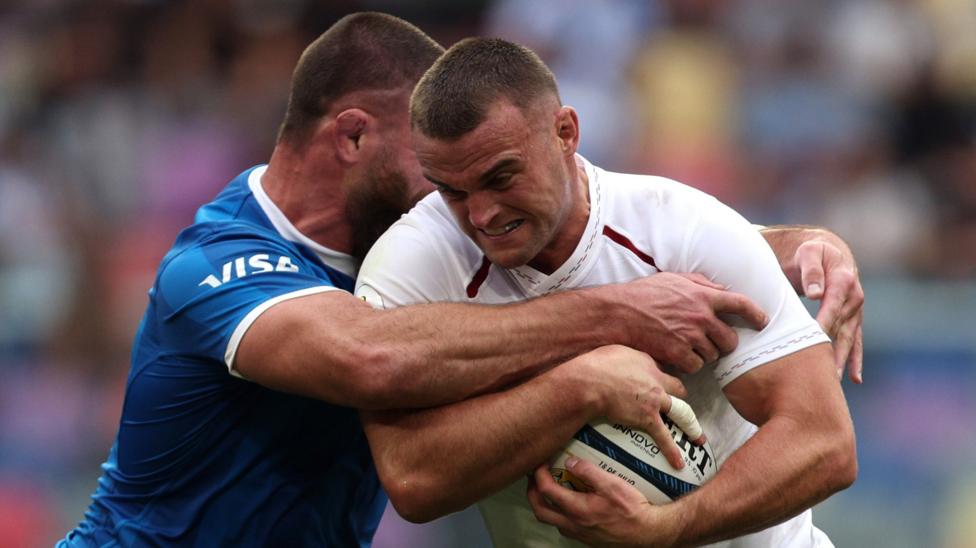
Ben Earl Demands Nations Championship Overhaul After 'Brutal' Summer
England flanker Ben Earl calls for a format overhaul to the inaugural Nations Championship after a punishing summer schedule.
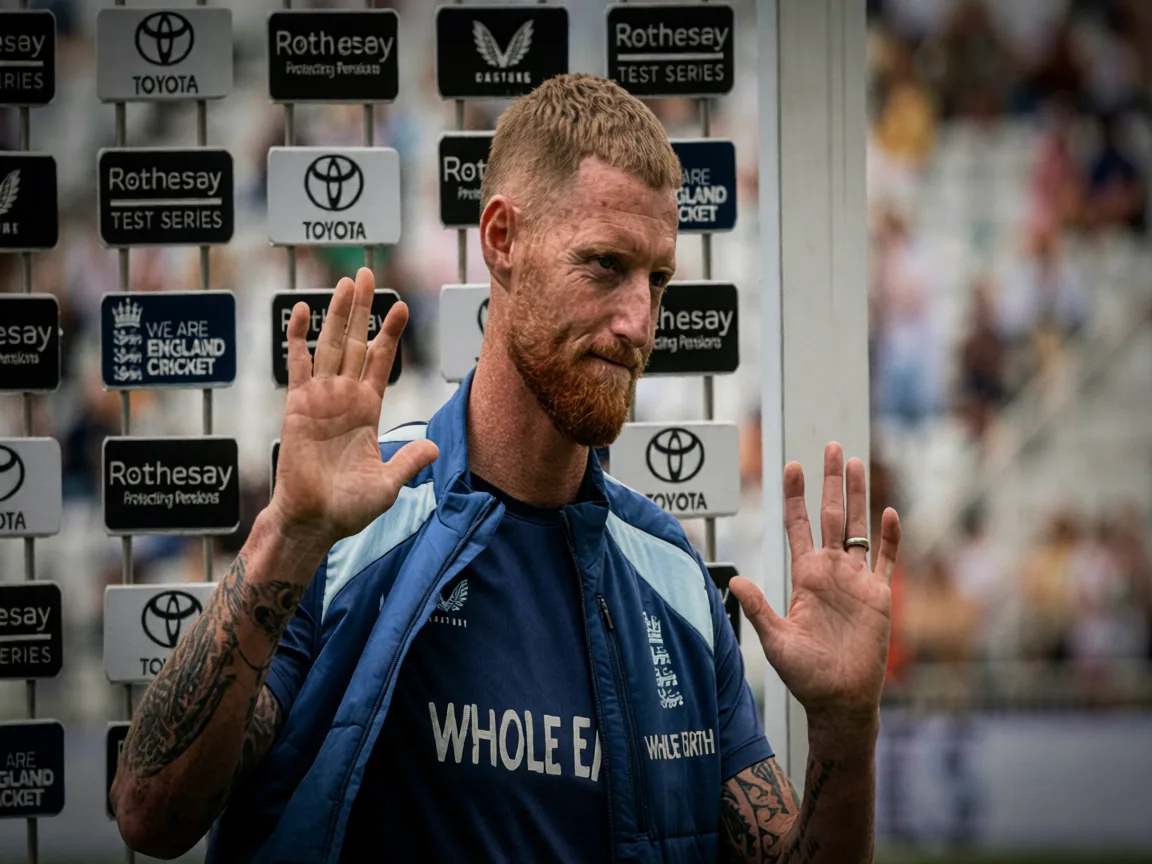
ICC Contacts ECB Over Stokes Retirement Amid Cricket's Workload Crisis
The ICC's inquiry into Ben Stokes' ODI retirement exposes cricket's unsustainable scheduling architecture and player welfare failures.
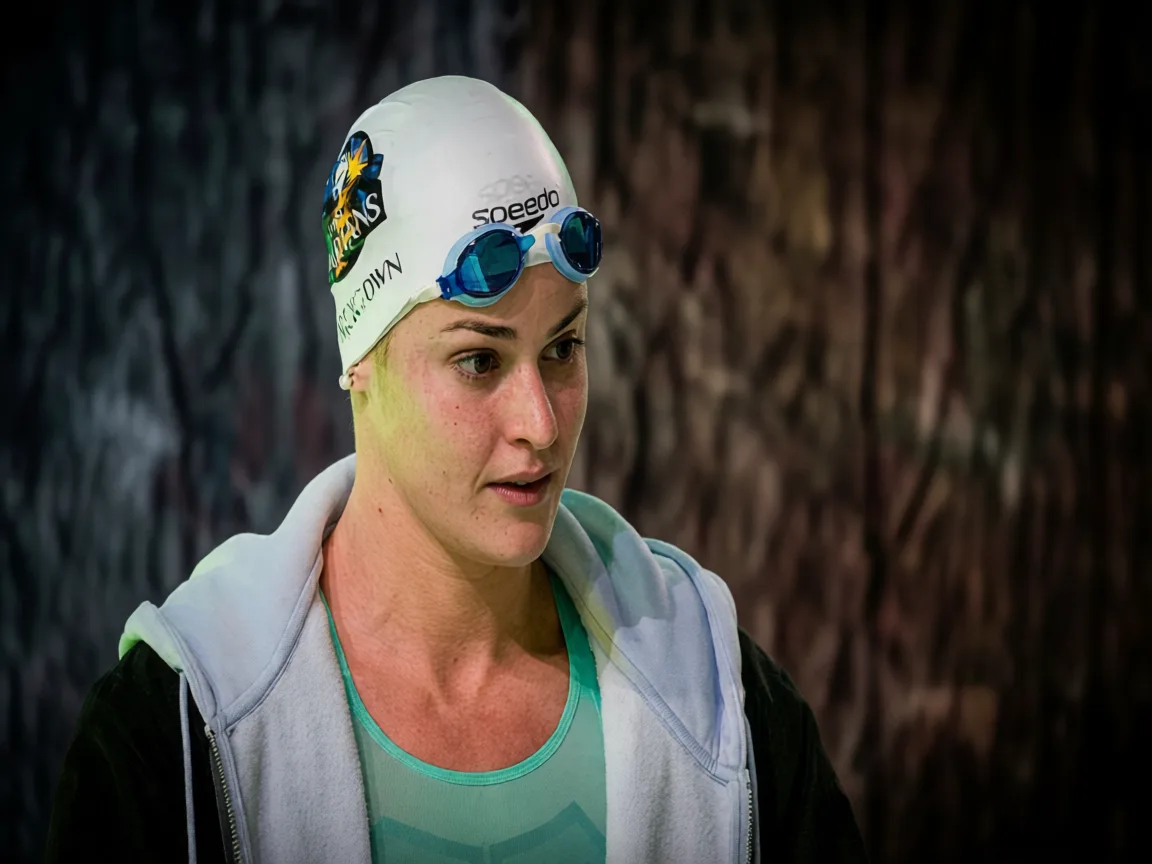
McKeown's Glasgow Withdrawal Rocks Commonwealth Games
Olympic backstroke queen Kaylee McKeown pulls out of Glasgow 2026 with glandular fever, leaving aquatics without its brightest star.