Cancer Charity Stolen From Wilson's Home During Snooker Event
Kyren Wilson's home was burgled and cancer charity funds stolen while he competed in Leicester, exposing athlete vulnerability.
The life of a professional snooker player is built upon isolation and intense, sustained focus. It demands an environment sealed off from external distraction, where the mind operates purely in the present tense. Yet, for former world champion Kyren Wilson, that essential psychological cocoon was violently shattered during a recent tournament in Leicester. While the 2024 World Championship runner-up was locked in tacticalcombat on the baize, his private residence was breached by intruders. The violation of personal space is sinister enough on its own merits, but the cold calculation of the crime metastasized into something far darker: the thieves made off with cash specifically earmarked for a cancer charity.
This is not merely a story of a high-profile sporting figure falling victim to opportunistic crime. It is a stark illustration of the paradoxical vulnerability inherent in professional athletics. The very nature of elite competition requires total physical and mental presence at a specific venue, often miles away from home, following a schedule that is publicly broadcast months in advance. For a sport like snooker, where the 4-5 day scheduling blocks of tournaments are laid bare for the world to see, the domestic arena is left entirely undefended.
The Tactical Exploitation of the Athlete's Schedule
To understand the audacity of this burglary, one must analyze it through the lens of continental sporting philosophy, where structural vulnerabilities are routinely probed and exploited. In football, managers speak of pressing triggers and spatial awareness; in the shadowy margins of organized crime, the tactical terminology is not entirely dissimilar. The perpetrators identified a structural weakness in Wilson's defensive setup, specifically the predictability of his absence.
Snooker operates on a grueling, hyper-regulated calendar. Players navigate a circuit of 12-15 ranking events annually, often requiring residency in tournament accommodations for nearly a week at a time. This creates a high-risk temporal zone for their unoccupied properties. Unlike the traditional 9-to-5 professional who maintains an erratic or localized footprint, the touring snooker professional leaves a glaring vacuum in their domestic security. The intruders recognized this, effectively applying a man-marking system to Wilson's professional movements before executing their break-in with the precision of a well-drilled counter-attack.
The psychological impact of such a violation cannot be overstated, particularly in a discipline that demands the emotional control and razor-sharp concentration of a grandmaster. To return from a competitive arena, where the mind has been stretched to its cognitive limits, only to find the sanctuary of home desecrated, introduces a traumatic variable that no amount of tactical drilling on the practice table can resolve. The sanctuary of the home, the space where a competitor lowers their guard to recover, has been compromised.
Tactical Shift: The Erosion of Psychological Safety
There is always a pivotal moment in any contest where the underlying structure of the match fundamentally alters, where a previously solid system suddenly exhibits fatal cracks. For Wilson, the burglary represents a profound Tactical Shift in his own psychological architecture.
Prior to this incident, the interplay between his domestic stability and professional performance operated in a complementary 4-3-3-style balance: a solid, unshakeable defensive base at home providing the platform for the attacking flair required on the table. The violation of his home flips that structure into something resembling an unstable 3-4-3, where the defensive midfield shield of personal peace has been entirely bypassed. The mind, previously free to operate solely in the present tense during competition, must now constantly process the underlying anxiety of compromised security. The spatial awareness of the player is forcefully broadened beyond the green baize, stretching uncontrollably back to the empty corridors of their own home. This mental fragmentation is the exact antithesis of the focused solitude required to pot a ball under immense pressure.
The Cruel Logic of Targeting Charitable Funds
The sporting public often views its champions through a lens of immense wealth and untouchable status, but the reality of the snooker tour is considerably more nuanced. The theft of money designated for a cancer charity exposes a particularly ruthless aspect of this crime. These were not simply excess funds or luxury assets; this was capital raised through the leverage of a player's public profile for the betterment of the vulnerable.
Charitable donations represent the ultimate softer target in the landscape of a public figure's portfolio. Unlike physical trophies, which carry immense sentimental value but zero street liquidity, or high-end watches that can be traced, cash reserves raised for philanthropic causes are fluid, untraceable, and instantly absorbable. The thieves demonstrated a chilling pragmatism, bypassing the intangible to strip away the liquid and the purposeful. It is an act that transcends mere burglary, entering the realm of civic parasitism.
"While I was giving my all on the table, someone was taking from those who need it most. It's a sickening violation." — This captures the deep frustration shared by the sporting community when altruistic efforts are weaponized against the generous.
What the Numbers Represent
- Zero physical security present during the active tournament window, a common statistic for touring individual sport athletes
- Multiple days of absence required by the Leicester event schedule, providing the necessary operational window for the perpetrators
- Undisclosed thousands in cancer charity cash, representing a direct, measurable loss to vital medical and support infrastructure
- 1 compromised psychological baseline, the most critical intangible metric for a former world champion entering the sharp end of the season
The Bigger Picture: Security in an Era of Public Exposure
The modern athlete exists in an era of unprecedented digital transparency. Tournament draws, practice schedules, and media commitments are disseminated instantly across global platforms. This hyper-visibility has created an environment where the traditional boundaries between the public competitor and the private citizen have eroded to a dangerous degree.
In the broader context of sporting security, Wilson's situation is part of an escalating trend across European sports. High-profile footballers, operating within vast security infrastructures, have routinely faced targeted burglaries during Champions League fixtures, leading to the widespread adoption of 24-hour manned security and sophisticated perimeter defenses. However, the individual nature of snooker leaves its practitioners exposed. They do not have the backing of a mega-club's operational budget; elite individual sports competitors essentially operate as solitary entities, solely responsible for their own logistical and defensive architectures.
The structural impoverishment of security in individual discipline is glaring. Without the institutional shield of a major sporting franchise, snooker professionals must independently finance their defensive setups. This creates a two-tier system of vulnerability, where only the absolute elite can absorb the heavy financial costs of fortified domestic perimeters. The sport's governing bodies must now confront an uncomfortable reality: in providing a public, highly visible schedule, they are inadvertently providing a tactical blueprint for those with malicious intent.
What's Next: Rebuilding the Defensive Structure
As Wilson processes this trauma, the immediate challenge extends far beyond the technical adjustments required for upcoming matches. The most pressing battle is the internal one, reconstructing the psychological safety mechanisms that allow a player to isolate themselves on the table and execute under pressure. The cognitive load must be managed, compartmentalized, and ultimately neutralized.
The tactical watch for Wilson's next scheduled appearance will not focus on his cue action, his long-potting success rate, or his safety exchanges. It will center on his composure, his ability to rediscover that essential state of hyper-focus when the foundational assumption of personal safety has been shattered. Rebuilding that defensive shape, both at home and within the mind, will be the longest and most demanding match of Kyren Wilson's career.
Furthermore, the sport itself faces a pressing structural question. The Professional Billiards and Snooker Association must engage in a serious tactical review of how it supports its professionals off the table. Whether through centralized security audits, subsidized protective measures for touring players, or a concerted effort to obscure the exact residential movements of its stars, the current man-to-man approach to athlete safety is no longer tenable against increasingly organized and tactical opposition. The charity cash is gone, but the lessons drawn from this invasion must be banked immediately.
Editorial Integrity
This is an original SportPulse article written by our editorial team. All content is independently researched, written, and reviewed by our writers and editors before publication. We do not publish copied, aggregated, or syndicated content.
SportPulse is committed to original sports journalism. Read our editorial policy or contact us with any questions.
More Like This
All long-reads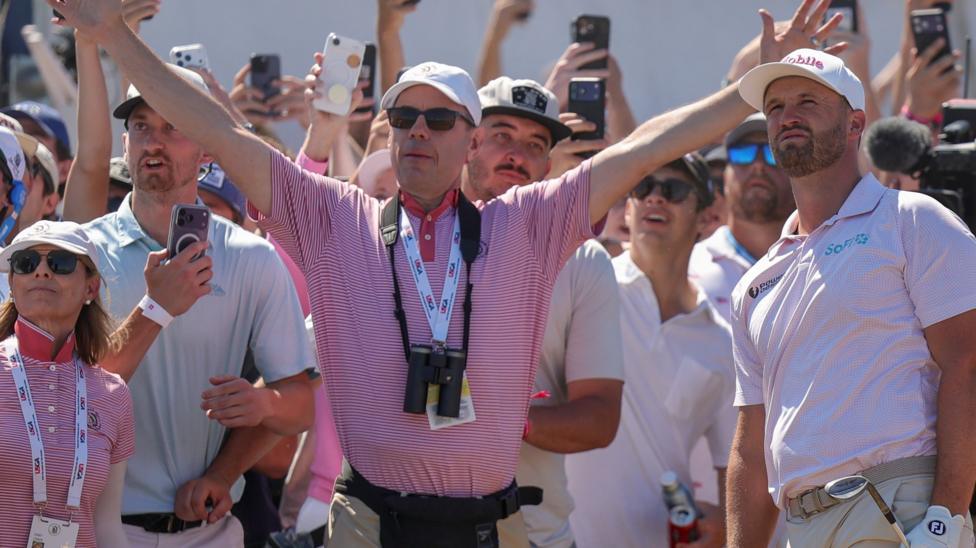
US Open Exposes Golf's Growing Behavior Crisis
Unruly scenes at Pinehurst reveal golf is losing its genteel identity, forcing officials into an urgent policing battle.
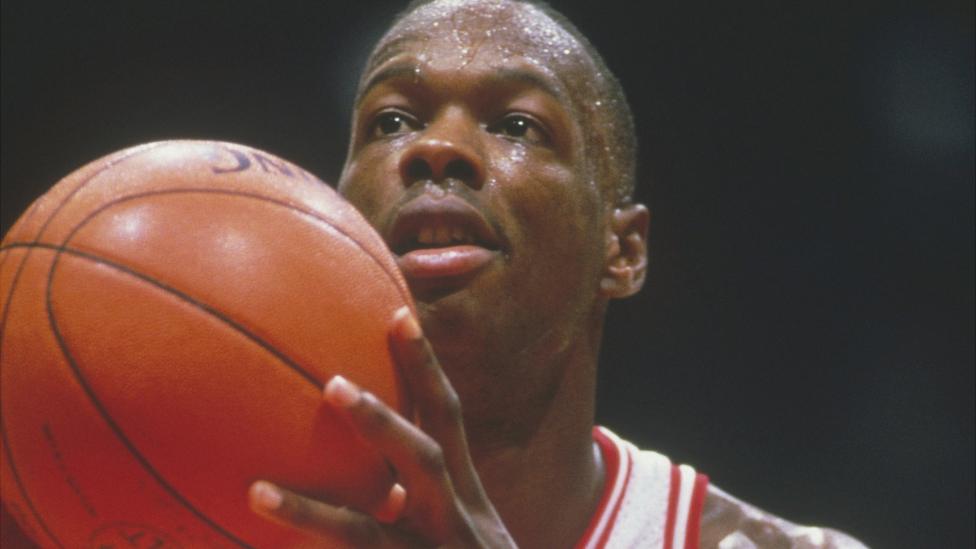
The Death That Haunts the Draft
Len Bias went from celebrating the NBA draft to a cautionary tale, his fatal overdose rewriting American drug policy forever.
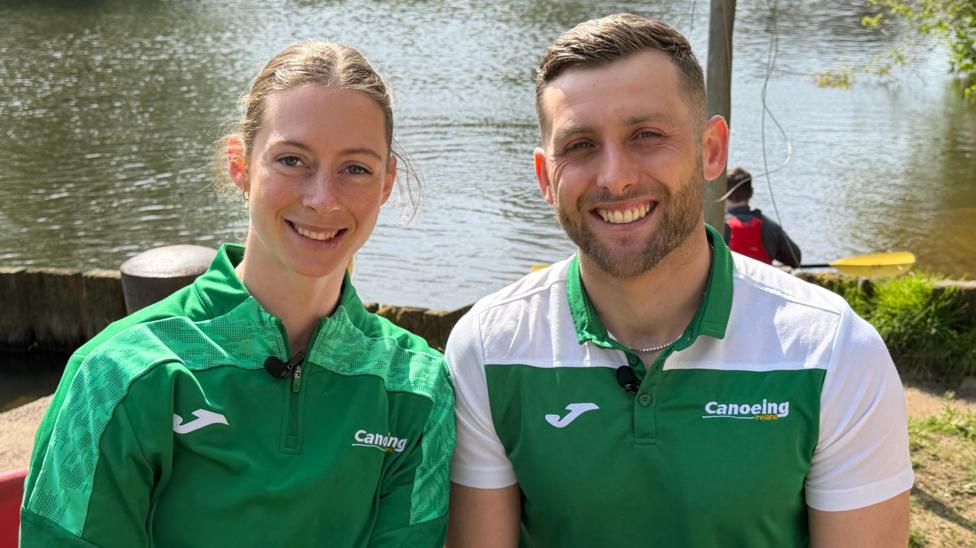
Cochrane Couple Chases 2028 Olympic Dream Together
Newlyweds Jake and Georgina Cochrane swap wedding vows for Olympic ambitions, targeting LA 2028 in canoe slalom.