US Open Exposes Golf's Growing Behavior Crisis
Unruly scenes at Pinehurst reveal golf is losing its genteel identity, forcing officials into an urgent policing battle.
Chaos at Pinehurst
Golf's reputation as the genteel summer escape is fracturing in real time. Last week's US Open at Pinehurst delivered thrilling championship golf, but the tournament's legacy is already being defined by something far uglier. Unruly behavior, both from competitors and the swarming galleries, hijacked the headlines. The sport now faces an unavoidable reality check about the environment it is cultivating.
From the opening tee shots, the atmosphere in the North Carolina sandhills felt different. It was louder, edgier, and increasingly hostile. Players were forced to back off shots repeatedly as cell phones shrieked from the gallery. The sacred silence of the back nine on a Sunday at a major championship is rapidly becoming a relic. What replacing it is a gladiator-arena vibe that fundamentally clashes with the sport's DNA.
The crowds were not just loud. They were belligerent. Alcohol-fueled outbursts punctuated the quiet corners of Pinehurst No. 2, creating an environment that tested the patience of the world's best players. This is no longer an isolated issue at rowdy waste-of-time events. The sport's most prestigious championships are now directly in the crosshairs.
Players Pushing the Boundaries
The frustration is not limited to the fans behind the ropes. The behavior inside the ropes has also come under intense scrutiny. Professional golfers are increasingly vocal, and not in the way sponsors prefer. Club throws, petulant swipes at tee markers, and explosive expletives have become routine visual clutter on Sunday broadcasts. The pressure of major championship golf is immense, but the visible lack of emotional control from elite competitors is setting a dangerous tone.
When a player openly tantrums after a poor shot, it ripples through the crowd. It effectively gives the green light to intoxicated fans who choose to mimic that aggressive energy. The elite competitors cannot demand respect from the gallery while simultaneously showing the course zero respect themselves. The optics are terrible, and the governing bodies know it. The USGA is now forced to police its own field as rigorously as the grandstands.
Inside the Pinehurst locker room on Sunday evening, the atmosphere was a mix of exhaustion and simmering resentment. One tour veteran slammed his locker door, muttering about the constant blur of camera flashes on his downswing. A rules official huddled in the corner, visibly drained from managing yet another spectator ejection on the 16th hole. The sanctuary of the champions' lounge felt less like a retreat and more like a bunker under siege.
The Alcohol and Access Problem
Let's call the situation exactly what it is. The modern golf gallery is drinking more, and the sport is entirely complicit in enabling it. General admission venues now heavily promote upscale cocktail bars and local craft beer partnerships directly on the course. The financial windfall is massive, but so is the collateral damage. The demoralizing reality is that tournaments are trading their dignity for beverage margins.
Access is the other accelerant. General admission tickets have surged in price, pushing a new demographic of spectator through the gates. These fans have paid top dollar, and they feel entitled to extract maximum value from their purchase. That entitlement manifests as screaming player nicknames at impact, shoving phones in players' faces, and turning the sacred walk from green to tee into a running of the bulls. The traditional etiquette of golf is being buried under a crush of hospitality wristbands.
"We are walking a razor's edge right now. The energy on the first tee is incredible, but when it crosses intopersonal abuse and constant disruption, we have a massive problem that won't fix itself." — A high-ranking tournament official speaking on background
The LIV Golf Influence
You cannot analyze this surge in poor behavior without acknowledging the cultural shift triggered by LIV Golf. The breakaway league actively marketed itself as a loud, party-centric alternative to the buttoned-up PGA Tour. Music blaring between shots and designated party zones normalized a stadium-rock aesthetic for a niche sport. The old guard mocked the concept, but the genie was already out of the bottle.
Now the traditional tours are borrowing from that very playbook to keep their own product relevant. Designated spectator zones have become louder. The in-stadium audio experience is pumped up. The sport chased a younger, rowdier demographic, and it finally caught them. The problem is that this new audience does not care about the historical decorum of the game. They paid for a spectacle, and they are determined to provide their own soundtrack.
The Enforcement Dilemma
Golf's power brokers are staring down a painful dilemma. Cracking down on fan behavior risks alienating the exact demographic they have spent millions trying to attract. Heavy security and strict marshaling will immediately draw the ire of casual fans who just want a sunny day out with a drink. But failing to act guarantees the sport loses its identity entirely, alienating the traditionalists who actually sustain the half-year television ratings.
The USGA and R&A have no choice but to aggressively expand their policing operations. Ejections must become more visible to serve as actual deterrents. The famously soft warnings issued by shy volunteer marshals are hopelessly inadequate against a crowd member determined to scream in a player's backswing. Tournament organizers desperately need professional security personnel who are unafraid to enforce strict boundaries.
The policing must also extend directly to the players. The game requires stricter penalty structures for club throwing and audible profanity. A sport that historically penalizes its competitors for the most microscopic rules infractions bizarrely looks the other way when a player has a televised meltdown. The double standard is glaring, and the fans in the cheap seats are taking notes.
What It Means
The unruly explosion at Pinehurst is a flashing red siren for professional golf. The sport is currently experiencing an identity crisis brought on by its own aggressive commercial expansion. If governing bodies do not impose hard lines on fan and player conduct immediately, the prestige of major championships will be permanently diluted. Golf will descend into just another loud, generic sporting carnival, stripped of the very class that historically set it apart. The uncomfortable mandate is clear. Police the galleries and the players ruthlessly, or watch the sport's soul disappear forever.
Editorial Integrity
This is an original SportPulse article written by our editorial team. All content is independently researched, written, and reviewed by our writers and editors before publication. We do not publish copied, aggregated, or syndicated content.
SportPulse is committed to original sports journalism. Read our editorial policy or contact us with any questions.
More Like This
All long-reads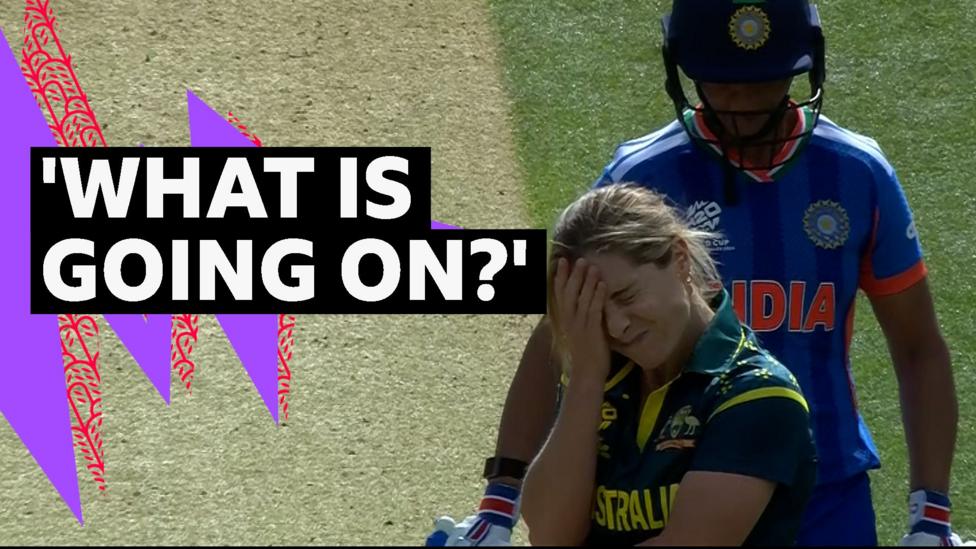
India's Last-Gasp Carnage Sets Australia 171 in World Cup Thriller
A chaotic final two overs, aided by Australian sloppiness, turned India's innings into a statement at Lord's.

GB Rowing's Six-Gold Lucerne Haul Signals a Powerhouse Reborn
Great Britain's dominant six-gold medal haul at the Lucerne World Cup regatta is a statement of Olympic intent.
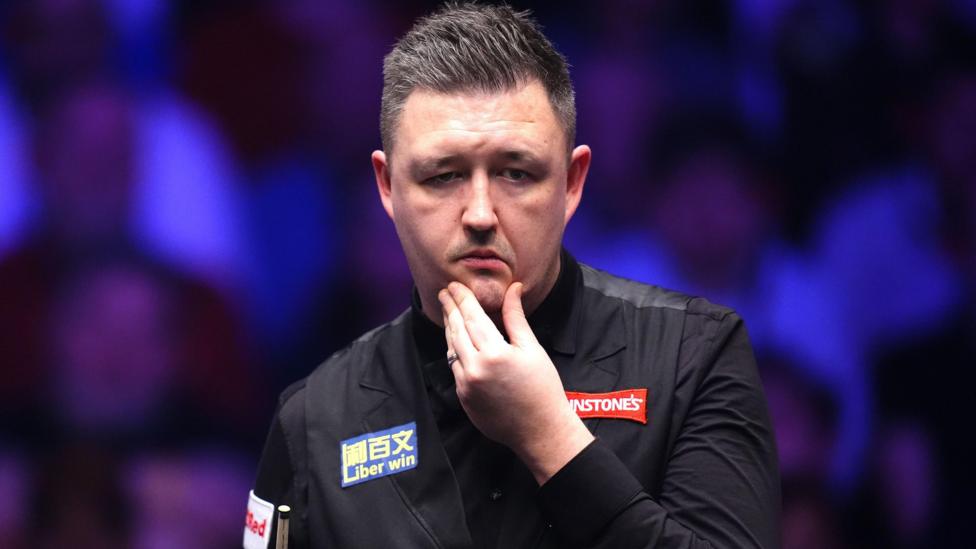
Cancer Charity Stolen From Wilson's Home During Snooker Event
Kyren Wilson's home was burgled and cancer charity funds stolen while he competed in Leicester, exposing athlete vulnerability.