Berg Inherits Garber's MLS: Five Inboxes Waiting on Day One
After 28 years of Don Garber, MLS hands Larry Berg a league with existential questions masked by expansion-era comfort.
The Handover Berg Can't Defer Forever
Larry Berg tried to lean into the humor of his awkward position. Fielding his first questions as MLS commissioner-elect at the league's Manhattan headquarters, Berg pivoted to the man sitting beside him when broadcasting questions arose.
"Well, as the incoming commissioner, I'm allowed to kick it to the current commissioner to answer that question."
Don Garber, whose 28-year tenure concludes at year's end, offered a wry reply: "Only for a few months."
The exchange captured the strange limbo of a league in transition. Berg was brought in to articulate an ambitious vision for MLS, yet the most pressing commercial question, how the league reaches audiences, got deferred to the outgoing chief. That deferral is sustainable until January. Then the inbox becomes Berg's alone.
Media Rights: The Deal That Defines the Next Decade
Garber's deflection on broadcasting was not trivial. The Apple TV deal, a league-wide streaming partnership, represented a structural pivot away from fragmented regional broadcasts toward a single platform. Questions persist about reach, audience growth, and whether the model delivers enough casual discovery.
Berg's first real test is whether he defends that architecture or pushes for adjustments. The league's media strategy directly impacts revenue distribution, sponsor visibility, and the ability to convert World Cup curiosity into sustained viewership. Rights cycles move on fixed timelines, and Berg's early positioning will shape negotiations that determine MLS financial health for years.
Roster Rules and the Competitive Compact
MLS operates under a salary budget system that no other major league in global football replicates. The Designated Player mechanism, the U22 initiative, allocation money, and roster compliance rules together form a framework designed to control costs while allowing selective investment in marquee talent.
Clubs with higher spending capacity want fewer restrictions. Smaller-market clubs fear an arms race that erodes competitive balance. The current system was a Garber-era compromise, built incrementally over decades. Berg inherits the complaints from both sides.
Roster rules also intersect with the league's relationship with the global transfer market. If MLS aims to be a selling league, developing talent and profiting from transfers, the rules governing player acquisition and retention need to reward that model. Right now, the incentives point in multiple directions.
Expansion Saturation or Hidden Demand
Garber oversaw MLS growth from 10 clubs to its current 29. Expansion fees, franchise valuations, and stadium developments powered the league's financial rise under his watch. Berg must decide whether the map still has blank spaces worth filling.
The risks of overexpansion are documented across American sports: diluted talent pools, scheduling imbalances, and markets that strain to support waterfront stadium promises. The rewards are expansion fees north of $300 million per franchise and geographic relevance in media markets that drive national relevance.
Berg's decision on further expansion signals whether his tenure prioritizes consolidation or continued growth. He cannot pursue both indefinitely.
The World Cup Bump and Its Expiration Date
The 2026 FIFA World Cup, co-hosted by the United States, Canada, and Mexico, functions as a once-in-a-generation marketing engine for domestic soccer. Berg's term begins months before the tournament. The operational challenge is converting a month-long spectacle into durable league growth.
Garber's era benefited from the 1994 World Cup halo, which provided early traction for MLS's launch in 1996. Berg faces a compressed version of that cycle. The league needs infrastructure, youth development pathways, and fan conversion strategies ready before the World Cup arrives, not after.
If MLS peaks in June 2026 and recedes afterward, Berg's tenure will be measured against that failure regardless of other accomplishments.
Governance and the Single-Entity Question
MLS operates as a single-entity structure, with the league holding contractual control over player rights and club operations to a degree that distinguishes it from most global football leagues and even other American sports. This model has survived legal challenges and provided stability during periods when the league's survival was not guaranteed.
Berg inherits a wealthier, more visible version of that structure. The single-entity model faces pressure from multiple fronts: player association advocacy for free agency, investor appetite for autonomous club valuation, and the broader trend toward deregulation in global football governance.
How Berg responds to governance pressure will shape the league's relationship with the MLS Players Association, with existing ownership groups, and with prospective investors evaluating whether MLS membership offers sufficient operational control to justify nine-figure entry fees.
Berg used his first press conference to project ambition while deferring specifics. That posture has a short shelf life. Each priority above requires Berg to make a decision Garber either postponed or chose not to make. The media rights question he dodged on day one will reappear on day one of his tenure. So will the roster reform debate, the expansion map, and the World Cup conversion strategy.
Garber built MLS into a league that exists, survives, and grows. Berg's measure is whether it can become a league that competes.
Editorial Integrity
This is an original SportPulse article written by our editorial team. All content is independently researched, written, and reviewed by our writers and editors before publication. We do not publish copied, aggregated, or syndicated content.
SportPulse is committed to original sports journalism. Read our editorial policy or contact us with any questions.
More Like This
All football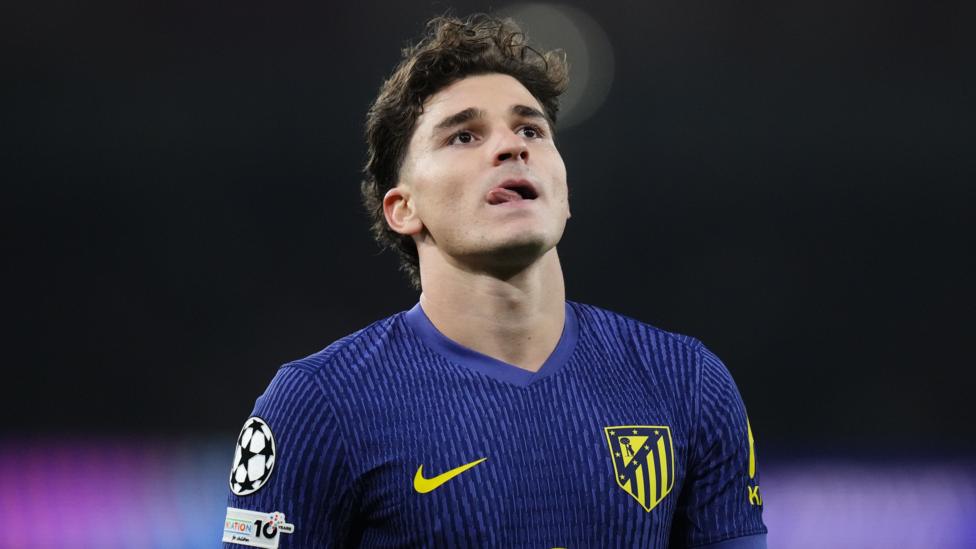
Julián Álvarez Wants Out: Atleti's Signing Already Turning Sour
Julián Álvarez's abrupt desire to leave Atletico Madrid exposes a flawed fit and a recruitment strategy dangerously reliant on washed-up profiles.

Bellingham's Extra-Time Brace Sinks Norway in World Cup Quarter-Final
Jude Bellingham delivered a tactical masterclass and two goals in extra time to send England past Norway in Miami.

The Retirement That Never Was: Messi's Immortal Run With Argentina
Ten years after walking away, Messi's international renaissance has rewritten every Argentine record book.