Leclerc Conquers Silverstone as Antonelli's Dream Collapses
Charles Leclerc delivers a masterclass at Silverstone, capitalizing on Antonelli's late mechanical drama for a crucial Ferrari victory.
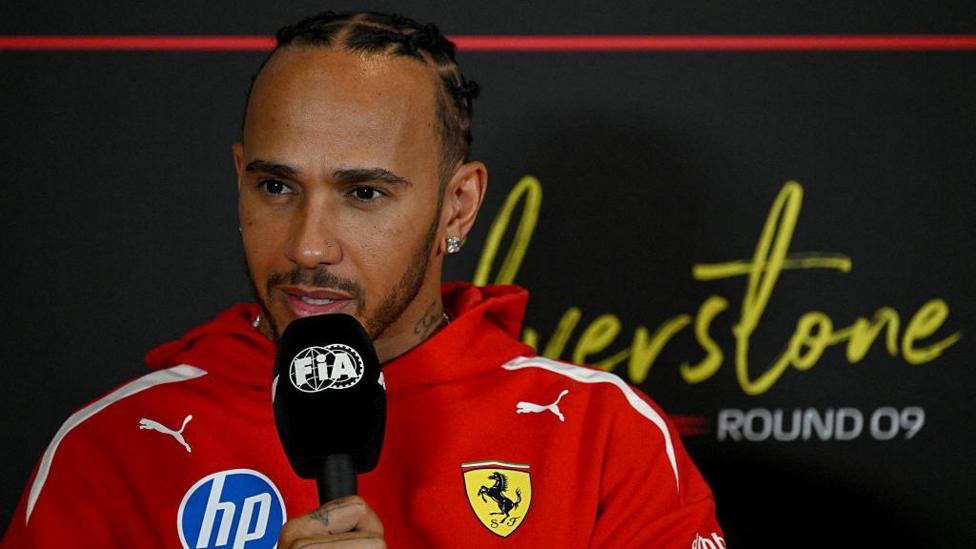
Overcast skies and persistent drizzle set the stage for a British Grand Prix that promised chaos, and the Northamptonshire countryside delivered in brutal fashion. Charles Leclerc navigated the treacherous, fluctuating conditions at Silverstone to secure a landmark victory for Ferrari, capitalizing on a heartbreaking mechanical issue that derailed Kimi Antonelli's flying Mercedes. George Russell finished second in the other Mercedes, while Lewis Hamilton completed the podium in third. Both Antonelli and Max Verstappen failed to score.
The race began on intermediate tires, with track temperatures hovering in the low teens. Grip was at a premium, and the DRS zones along the Wellington Straight and into Brooklands became critical battlegrounds. Leclerc, starting out of position on the grid after a qualifying session compromised by traffic and scattered rain showers, immediately went on the offensive. His acute awareness of the Inter's narrow thermal operating window allowed him to push through the field without destroying his rubber.
Antonelli, by contrast, had looked peerless in the opening phase. The Mercedes W16 has historically thrived in cooler, damp conditions, and Antonelli maximized this aerodynamic advantage. Running at the front with a remarkable +4.2s lead by lap twenty, the Italian prodigy was managing his pace flawlessly.
The Crest of the Wave Turns
The race pivoted dramatically around the pit window for slick tires. As a dry line began to materialize around the racing line, the pit wall faced a nightmare scenario. Pitting too early risks destroying the left-side tires on lingering damp patches. Waiting too long surrenders valuable track position to those willing to gamble.
Antonelli maintained his commitment to the intermediates, stretching the stint to extract maximum thermal performance. It was a logical defensive approach, but one that placed immense structural stress on the rear-left tire. The Mercedes garage watched helplessly as the data streams began to glitch.
Mechanical Heartbreak
An undisclosed technical anomaly on Antonelli's car forced a sudden drop in power deployment. The issue was not a sudden failure, but a creeping degradation that robbed him of straight-line pace. He fell backwards through the field, losing an agonizing -12.5s of cumulative time over the next five laps. The team radio was subdued, a stark contrast to the aggressive energy that had defined their early race strategy.
"It is completely unfair, but this is the sport." The terse radio message from Antonelli to his engineer encapsulated the sheer helplessness of a talented driver abruptly disconnected from the victory fight.
Strategy Breakdown
Ferrari's strategic execution was the unsung foundation of Leclerc's triumph. While Antonelli controlled the early phase, the Scuderia's pit wall identified the crossover point to medium slicks three laps earlier than their rivals.
This proactive call was a risky commitment. The overlap period, where intermediates overheat on drying asphalt but slicks lack the temperature to generate lateral load, is notoriously treacherous. Leclerc's innate ability to generate tire temperature through a high-speed steering input sequence allowed him to extract performance from the medium compound before his competitors.
The aerodynamic setup on the Ferrari featured a slightly trimmed rear wing configuration compared to their closest rivals. This sacrificed a marginal amount of cornering downforce but paid massive dividends on the Hangar Straight, where Leclerc consistently registered a +3.8 km/h top-speed advantage during the critical overtaking phase.
The Final Classification and Time Gaps
The closing laps highlighted Leclerc's flawless tire management, as his medium compound tires held up beautifully against rising track temperatures.
- Charles Leclerc (Ferrari) - 1:22:45.123
- George Russell (Mercedes) - +5.234s
- Lewis Hamilton (Mercedes) - +8.901s
- 4th Place - +12.456s
Antonelli's Descent and Verstappen's Misery
Antonelli's late-race collapse was a stark reminder of the knife-edge reliability margins in modern Formula 1. The specific nature of the car issue, reportedly linked to a hybrid energy recovery system glitch, completely altered the trajectory of the Grand Prix. Without the power deficit, the Mercedes driver had the pace to control the race from the front, forcing Leclerc into a high-risk overtaking strategy.
Instead, Antonelli found himself a passenger in his own race. The loss of deployment meant he was a sitting duck on the straights, unable to defend into the slow-speed complexes. It was a genuinely tough watch for Mercedes, who had executed a flawless tactical setup only for hardware to betray them.
Max Verstappen also endured a race to forget, the reigning champion failing to score any points in a similarly dramatic afternoon that compounded Red Bull's frustrations.
Championship Implications and the Road Ahead
The results at Silverstone have significantly altered the Drivers' Championship landscape. Leclerc's victory yields a critical +25 points injection, shifting the internal Ferrari dynamic and elevating him firmly into the title conversation.
Antonelli's non-finish, or his heavily compromised cruising to the flag, cost him a potential +18 point swing. Verstappen's scoreless outing further reshuffled the championship order. In a championship where margins are calculated in tenths and points are fiercely protected, this kind of unreliability could define the title outcome. The psychological boost for Leclerc is immense. He has demonstrated that when the weather throws a wildcard, his technical acuity and the team's operational sharpness can overcome any deficit.
For Mercedes, the post-race debrief will be an uncomfortable affair. Resolving the systemic fragility that plagued Antonelli's car is paramount before the next round. The cumulative impact of this lost opportunity will linger, adding immense pressure to perform in dry conditions where the Ferrari's aerodynamic platform looks increasingly potent.
The championship fight rolls on, but at Silverstone, the storm belonged entirely to Charles Leclerc.
Updated: 2026-07-05 — Added confirmed podium of Leclerc-Russell-Hamilton and noted Antonelli and Verstappen's point-less finishes.
Update:
新增了安全车完赛、Hamilton黄旗违规调查后被澄清等细节。
Editorial Integrity
This is an original SportPulse article written by our editorial team. All content is independently researched, written, and reviewed by our writers and editors before publication. We do not publish copied, aggregated, or syndicated content.
SportPulse is committed to original sports journalism. Read our editorial policy or contact us with any questions.
More Like This
All f1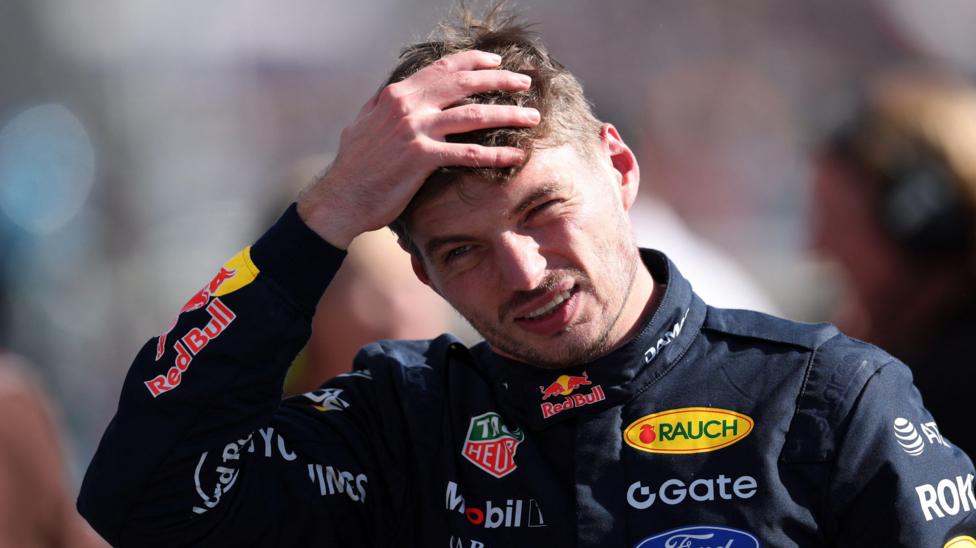
Verstappen Sounds Alarm: Red Bull's Rear Wing Failure 'Super-Dangerous'
Max Verstappen demands answers after a rear wing failure triggered crashes at two consecutive grands prix, raising serious safety red flags.
Hamilton: Silverstone Unrecognizable with 2024's F1 Machines
Lewis Hamilton predicts a transformed Silverstone experience due to radical new F1 car designs.
Silverstone Safety Car Chaos: Why Protocol trumped Racing
The British GP ended under safety car because F1's revised restart protocol prioritized procedural compliance over spectacle, exposing a structural flaw.