Trafford to Leeds: The £45m Case for a Goalkeeper Who Plays Forward
Leeds have backed Daniel Farke's possession-based system with a goalkeeper who thrives under pressure, not away from it.
Leeds Secure Trafford in Up to £45m Deal
Leeds United have completed the signing of James Trafford from Manchester City in a deal that could reach £45 million, according to reporting on the completed transfer.
The move is significant on two levels. Financially, it places Trafford among the most expensive goalkeepers in British football history, a benchmark that signals Leeds are prepared to invest heavily in a position often treated as secondary in transfer strategy. Tactically, it is a direct vote of confidence in Daniel Farke's system, which demands a goalkeeper comfortable receiving passes under pressure and initiating build-up from the back.
The Profile: A Goalkeeper Built for Possession
Trafford's development at Manchester City's academy and his subsequent loan spell at Burnley have produced a goalkeeper whose defining trait is distribution rather than pure shot-stopping reflexes. At Burnley, he recorded some of the highest pass completion rates among Premier League goalkeepers, consistently playing into the centre-backs' feet or lifting diagonals onto the full-backs to widen the pitch.
This is precisely the profile Farke requires. Leeds under Farke have long operated with a 4-2-3-1 build-up shape that asks the goalkeeper to function as a third centre-back when in possession. The system collapses quickly if the goalkeeper chooses to play safe or distribute vertically rather than circulate sideways into space. Trafford's comfort on the ball makes him a natural fit.
The Number Behind the Fee
£45 million is the ceiling on this deal. For context, that figure would make Trafford one of the three most expensive goalkeepers ever signed by a British club, trailing only Alisson's move to Liverpool and David Raya's temporary switch to Arsenal. The premium reflects both Trafford's age and his technical profile. At 22 years old, he is still developing, and Leeds are buying potential alongside proven ability. The fee also includes add-ons tied to performance milestones and England call-ups, which could push the total higher.
Tactical Implications for Farke's Side
Leeds' recent struggles in the Premier League have, in part, been a function of how their goalkeeper interacts with the defensive line. In seasons past, the club has relied on goalkeepers whose distribution range was adequate but not expansive. Farke's system requires more. When centre-backs step into midfield to create numerical superiority, the goalkeeper must be able to switch play quickly to exploit the overload on the opposite flank.
Trafford's technique in this area is already among the best in the Premier League. His ability to play a driven pass through tight spaces under pressure, something he demonstrated regularly at Turf Moor, addresses a vulnerability Leeds have exposed in transition. Against high-pressing sides, this skill is not a luxury. It is the difference between breaking the press and surrendering possession in a dangerous area.
The fee underscores how much Leeds value goalkeeper as the first attacker rather than the last defender.
England Recognition as a Quality Signal
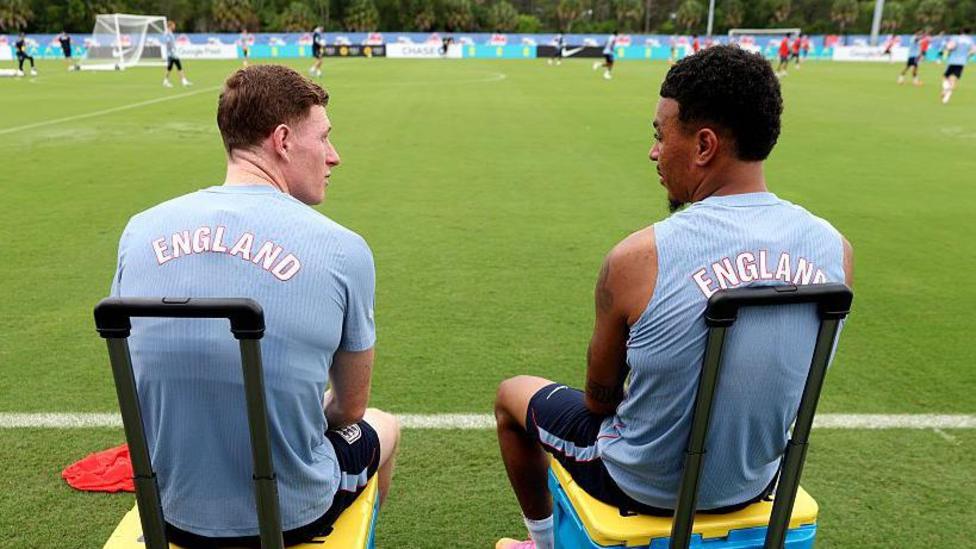
Trafford has been named in Gareth Southgate's England squad, a recognition that carries weight beyond the squad itself. Southgate has prioritised goalkeepers who can play with their feet, and Trafford's inclusion reflects a clear alignment between national team requirements and Leeds' tactical identity. This is not coincidence. It is the product of a career trajectory shaped around a specific skill set.
What Comes Next
Trafford's first appearances will be tested immediately. Leeds face a fixture list that includes sides comfortable pressing high and forcing goalkeepers into hurried clearances. The question is not whether Trafford can handle possession but whether his shot-stopping has reached the standard required at this level. That remains to be seen through actual minutes, not transfer fees.
What is clear is that Leeds have identified a positional need and addressed it with a player whose strengths match their system precisely. The £45 million price tag is steep, but it reflects a calculated bet on a goalkeeper whose value is measured not in saves but in the passes he starts.
Editorial Integrity
This is an original SportPulse article written by our editorial team. All content is independently researched, written, and reviewed by our writers and editors before publication. We do not publish copied, aggregated, or syndicated content.
SportPulse is committed to original sports journalism. Read our editorial policy or contact us with any questions.
More Like This
All football
Rees-Zammit Benched: Bell's Tactical Demand for Involvement
Wales drop Louis Rees-Zammit against Argentina, demanding greater tactical involvement from the rugby superstar.
Morgan Rogers and the £100m Club: Why Premier League Fees Keep Breaking
The third seven-figure summer deal exposes a market detached from traditional football economics.

England Through: How Tuchel's Side Survived the Group Stage Grind
Uruguay's collapse against Spain handed England a knockout berth Tuchel's tactical rigidity nearly cost them.