L'Équipe Backs Down After Ugly Doku Paternity Leave Storm
L'Équipe apologises after its pundit slammed Jérémy Doku for prioritising his son's birth over the World Cup.
When the moment arrived, Jérémy Doku never hesitated. Not when his nation demanded his pace on the flank, and certainly not when his family needed him by their side. On Monday, the Belgian winger's wife, Shireen, gave birth to a baby boy named Praise. Doku was right there in the London delivery room, exactly where he said he would be. The fact that this act of basic human decency required a formal apology from one of Europe's most powerful sports newspapers tells you everything about the twisted priorities of modern football media.
L'Équipe, the French sports daily that effectively sets the agenda for European football coverage, found itself issuing a humbling retraction. They distanced themselves from the on-air comments of their own presenter. The pundit had dared to criticise Doku for publicly stating he would leave Belgium's World Cup camp to attend the birth of his first child.
The backlash was immediate and unforgiving. By the time Shireen welcomed little Praise into the world, L'Équipe was already in full damage-control mode.
The Controversy That Ignited a Cultural Flashpoint
The timeline itself is staggering in its absurdity. Ahead of Belgium's crucial World Cup fixtures, Doku openly discussed his contingency plan. If his wife went into labor, he would board a flight. He would race back to London. He would hold her hand in the delivery ward. For millions of ordinary people, this is not a dilemma. It is a fundamental right of parenthood. But inside the high-stakes vacuum of an international tournament, one pundit viewed it as a dereliction of duty.
"The French media outlet L'Équipe has apologised to the Belgian footballer Jérémy Doku after he was criticised by one of its pundits for saying he would leave the World Cup to be present at the birth of his first child."
The original criticism struck a nerve that went far beyond Belgian borders. It dragged into the light an ongoing, uncomfortable debate about player autonomy. When a footballer belongs to a national federation, a club, and a paying public, who actually owns his time? Whose needs take priority when the most personal moment of a man's life collides with the most public stage in sport?
The pundit's argument relied on a toxic, antiquated brand of machismo. It suggested that leaving a tournament camp, even temporarily, signals weakness. It peddled the myth that elite athletes must be unfeeling automatons, disconnected from the messy, beautiful reality of human life. It was a take built for a bygone era, and it blew up spectacularly.
Touchdown in London
While the Parisian studios debated his loyalties, Doku was busy living his priorities. The Belgian football federation confirmed the winger executed his plan flawlessly. He made the journey back to the English capital, arriving with time to spare.
On Monday, Shireen gave birth to Praise. The name carries a weight of gratitude and celebration. It also stands as a quiet, triumphant rebuke to anyone who argued the hospital ward was the wrong place for a footballer to be.
Consider the mental calculus Doku faced. The World Cup is the pinnacle of a player's career. Missing a knockout match could mean throwing away a once-in-a-lifetime opportunity. But the birth of a first child happens exactly once. Doku chose the irreversible over the replaceable. Tournaments return every four years. The first breath of your son does not.
Behind the Debate: The Marketplace of Virtue
Strip away the emotion, and this incident exposes the brutal economics of the modern game. Nations invest millions in their World Cup campaigns. Federations secure massive broadcasting rights and sponsorships predicated on their stars performing on the grandest stage. From that purely transactional perspective, a player's temporary departure represents a logistical nightmare and a financial risk.
- Squad disruption: Removing a key winger forces the manager to reshuffle tactics and depletes bench options.
- Travel fatigue: Flying between a World Cup base and London introduces physical strain that sports scientists closely monitor.
- Messaging control: Federations fear the precedent. If one star leaves for a birth, can others leave for personal crises?
But the commercial argument collapses when confronted with human reality. Athletes are not capital assets. They are employees with fundamental rights, and expecting a partner to miss the birth of a child to satisfy a broadcast schedule is grotesque. The modern footballer is increasingly pushing back against this archaic model. Paternity leave, once a punchline in macho dressing rooms, is now a non-negotiable for a new generation.
L'Équipe's rapid retreat underscored how out of step the pundit's take was with the current cultural climate. Sponsors, fans, and fellow players overwhelmingly supported Doku. The commercial risk of defending the indefensible far outweighed the risk of losing a winger for forty-eight hours.
The Bigger Picture
Doku's quiet defiance is part of a sweeping shift in athlete mentality. Across the Premier League and European football, players are drawing hard lines around their personal lives. From mental health sabbaticals to prioritizing family over friendlies, the unbreakable bond between club and country is being renegotiated on human terms.
The 22-year-old Manchester City star has consistently shown maturity beyond his years on the pitch. His pinpoint dribbling and explosive acceleration have made him one of the most feared wingers in Europe. But his decision to speak openly about his family plans before the tournament even began required a different kind of bravery. He gave the tabloids advance notice of a potential headline. He dared them to make it a scandal. When they took the bait, the public sent them packing.
This saga also highlights the unique pressure faced by players bridging the club-country divide. Doku's home base is now London. Flying between a World Cup camp and his partner's bedside is a logistical feat requiring immense support from the Belgian federation. Credit must go to the federation staff who facilitated his travel rather than obstructing it. They recognized what L'Équipe's pundit did not: you cannot extract the human from the athlete.
What Comes Next
Doku will rejoin the Belgian camp with his mind at ease and his family complete. For Belgium, having a fully focused, emotionally fulfilled winger is far more valuable than a distracted player carrying the heavy burden of a missed life event. History shows that players who are supported through major personal moments often repay that faith with standout performances.
For L'Équipe, the damage is largely self-inflicted. Their apology was necessary, but it only papered over a deeper editorial issue. When pundits are encouraged to manufacture outrage, they will inevitably cross the line into outright cruelty. The incident should force a reckoning in studios across Europe about the line between passionate debate and inhumane commentary.
As for Jérémy Doku, he has already won his most important fixture. He held his wife's hand, welcomed his son Praise into the world, and proved that some things still matter more than football. The World Cup will continue. The matches will be played. But the real victory was never down on the pitch. It was in that London delivery room, where a father proved that loyalty to family is the only loyalty that truly endures.
Editorial Integrity
This is an original SportPulse article written by our editorial team. All content is independently researched, written, and reviewed by our writers and editors before publication. We do not publish copied, aggregated, or syndicated content.
SportPulse is committed to original sports journalism. Read our editorial policy or contact us with any questions.
More Like This
All football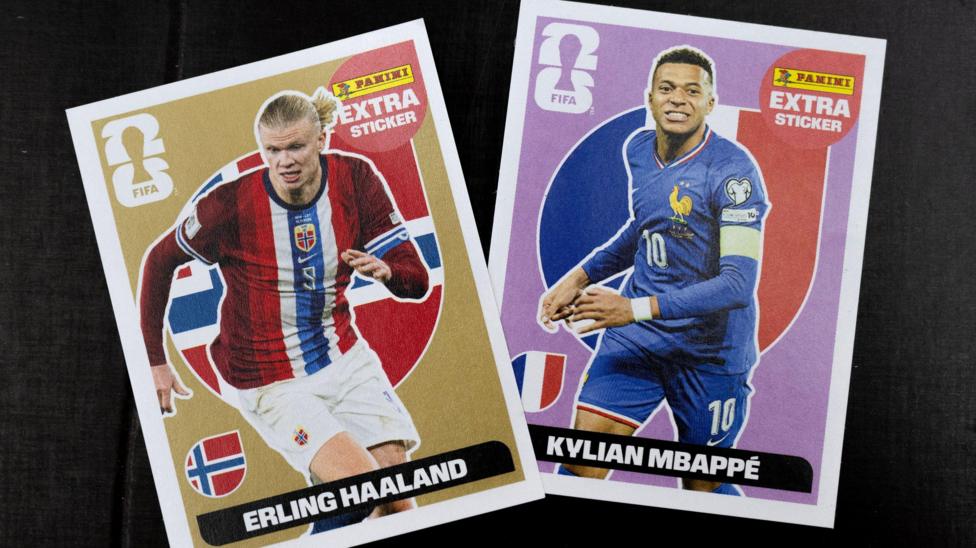
Mbappe vs Haaland: The Generational Rivalry Football Can't Look Away From
France and Norway's Boston showdown is really about two superstars redefining what a modern striker can be.
Seven Survivors: Clarke's Loyalty Blueprint Takes Scotland to the World Cup
Seven players from Clarke's first Scotland squad in 2019 remain at the 2026 World Cup, a testament to extraordinary continuity.
From Your Backyard to the World Cup: How Local Roots Shape Global Stars
Every World Cup hero started somewhere small — and those local roots tell the real story of football's global pipeline.