United's 100,000-Seat Vision Takes Shape as Land Deal Closes
Manchester United's stadium project gains real momentum with a 25-acre land acquisition near Old Trafford.
The Deal That Makes It Real
For years, Manchester United's talk of a new stadium felt like background noise, a distant ambition competing for attention amid managerial sackings, transfer sagas, and supporter protests. That changed this week. The club confirmed it has secured a 25-acre site adjacent to Old Trafford, the land acquisition that transforms architectural renders and boardroom ambitions into a tangible, irreversible project.
The proposed venue would seat approximately 100,000 spectators, a figure that would make it the largest football stadium in the United Kingdom and among the most capacious in world football. To put that in perspective, only the Camp Nou (post-renovation, targeting 105,000), the Santiago Bernabéu, and a handful of stadiums in Asia and the Americas would rival it.
This is not a minor infrastructure tweak. It is a statement of identity.
Old Trafford's Long Decline
To understand why this deal matters so deeply, one must reckon with what Old Trafford has become. The ground that once earned the moniker The Theatre of Dreams has, over the past decade and a half, slowly deteriorated into a venue that embarrasses the club's global stature. Leaking roofs have become a recurring visual metaphor for institutional neglect. Seats are worn. Corporate facilities lag behind what Tottenham, Arsenal, and even West Ham offer.
The Glazer ownership era, stretching from 2005 to the present, was defined by extraction rather than investment. Over £1 billion in dividends, debt servicing, and interest payments left Old Trafford starved of capital improvements. While Tottenham unveiled their gleaming 62,850-seat arena in 2019 and Everton prepare to move into their new waterfront home at Bramley-Moore Dock, United were stuck patching a ground that first opened in 1910.
The stadium's official capacity sits at around 74,310, but the matchday experience tells a different story. Visiting executives, broadcasters, and neutral observers have consistently rated Old Trafford among the worst Premier League venues for corporate hospitality, media facilities, and general modernity. For a club that generates north of £600 million in annual revenue, the gap between commercial output and physical infrastructure is staggering.
Ratcliffe's Influence and the INEOS Doctrine
Sir Jim Ratcliffe's arrival as a minority owner with full sporting control in early 2024 has accelerated decisions that the Glazers deferred for two decades. The INEOS model, honed across cycling, sailing, and the Nice football project, operates on a simple principle: infrastructure precedes performance. You do not win at the highest level with outdated facilities.
The land deal signals that Ratcliffe views the stadium not as a distant aspiration but as a near-term priority. Sources close to the project have indicated that United are exploring options ranging from a full rebuild on the newly acquired site to a phased construction model that keeps Old Trafford operational during a transitional period.
The 100,000-seat target is ambitious, perhaps the most ambitious single-venue project in English football history. Tottenham's new stadium cost approximately £1 billion. United's project, given its scale and the complexity of developing a site in one of England's most densely populated urban corridors, could easily exceed £2 billion.
The Financial Architecture
A new stadium is not merely a building. It is a revenue engine, and United's current ground is underperforming relative to the club's market position. Matchday revenue at Old Trafford hovers around £110-120 million annually, a figure constrained by aging corporate boxes, limited premium seating options, and poor non-matchday utilisation.
Tottenham's new stadium, by contrast, was designed to generate revenue 365 days a year through NFL games, concerts, boxing events, and conferences. The Tottenham Hotspur Stadium has become a template for what a modern football venue can achieve commercially, generating an estimated £6-8 million per non-football event.
A 100,000-seat venue for United, equipped with retractable seating, state-of-the-art hospitality suites, and integrated entertainment infrastructure, could realistically push matchday revenue toward £200 million or beyond. That additional £80-100 million annually is not marginal. It is the kind of revenue uplift that funds two elite signings per summer without touching the transfer budget.
The Competitive Landscape
United's move also reflects a broader arms race in English football. Arsenal's Emirates Stadium, opened in 2006, gave the Gunners a commercial platform that sustained their competitiveness even during years of limited transfer spending. Tottenham followed suit. Everton's new ground will transform their financial profile. Chelsea have explored expansion or relocation.
The clubs that invest in infrastructure tend to reap returns over a 15-20 year horizon. Those that do not, like United in the Glazer era, watch their competitive advantage erode incrementally. The new stadium is not a panacea for the football side of the operation, but it removes a structural disadvantage that has quietly compounded.
What the Numbers Say
- 100,000 seats would make it the largest football-specific stadium in Europe
- Current Old Trafford capacity: approximately 74,310
- The 25-acre site sits adjacent to existing ground infrastructure
- Tottenham's comparable project cost £1 billion in 2019 pricing
- United's estimated project cost could exceed £2 billion given current construction market conditions
- Potential annual matchday revenue increase: £80-100 million
The Community Question
Stadium projects of this magnitude inevitably raise questions about their impact on surrounding communities. The Old Trafford area in Trafford borough is a mix of residential streets, commercial properties, and industrial land. A 100,000-seat venue will require significant transport infrastructure upgrades, expanded parking solutions, and careful urban planning to avoid overwhelming local residents.
United's planning process will likely include extensive public consultations. The club will need to demonstrate that the project benefits the wider community, not just the balance sheet. The Tottenham model included affordable housing provisions, public spaces, and job creation targets. United will be held to a similar standard.
What Comes Next
The land acquisition triggers a cascade of subsequent steps. Detailed architectural plans, environmental assessments, transport impact studies, and formal planning applications to Trafford Council will follow. The timeline from land purchase to first match is typically five to seven years for a project of this complexity, meaning United could realistically open the new stadium between 2030 and 2033.
The footballing implications are equally significant. A club building a £2 billion stadium cannot simultaneously be financially reckless in the transfer market. Ratcliffe's cost-cutting measures across the organisation, including staff redundancies and operational streamlining, now make more sense in this context. The stadium is the destination; the austerity is the price of getting there.
For supporters, the news offers something that has been in desperately short supply at Old Trafford: forward momentum. The ground may be aging, the team may be rebuilding, and the ownership structure may still be complicated. But the commitment to a world-class venue signals that the people currently running the club intend to restore Manchester United to a position that matches their global brand.
The theatre of dreams is getting a sequel. The question now is whether the football on the pitch can keep pace with the ambition off it.
Editorial Integrity
This is an original SportPulse article written by our editorial team. All content is independently researched, written, and reviewed by our writers and editors before publication. We do not publish copied, aggregated, or syndicated content.
SportPulse is committed to original sports journalism. Read our editorial policy or contact us with any questions.
More Like This
All football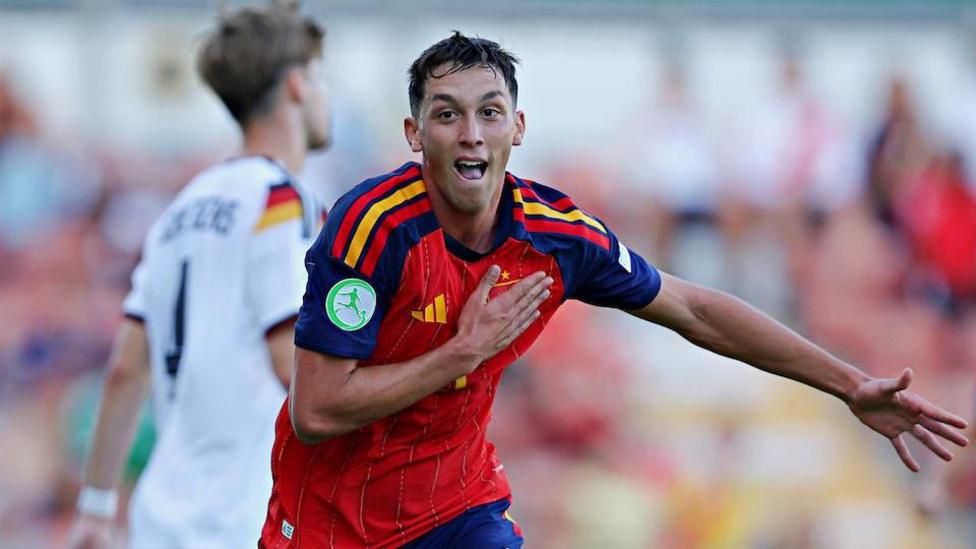
Spain's U19 Conquest: A Decade-Defining Dynasty in Wrexham
Spain claimed their 10th U19 European title with a 2-0 win over Germany at Wrexham's Racecourse Ground, cementing an unparalleled youth dynasty.

McCabe's Blue Betrayal: Tactical Fallout and the Cost of Loyalty in WSL
Katie McCabe's move from Arsenal to Chelsea after 11 years reshapes the WSL's fiercest rivalry — and exposes the limits of fan fury.
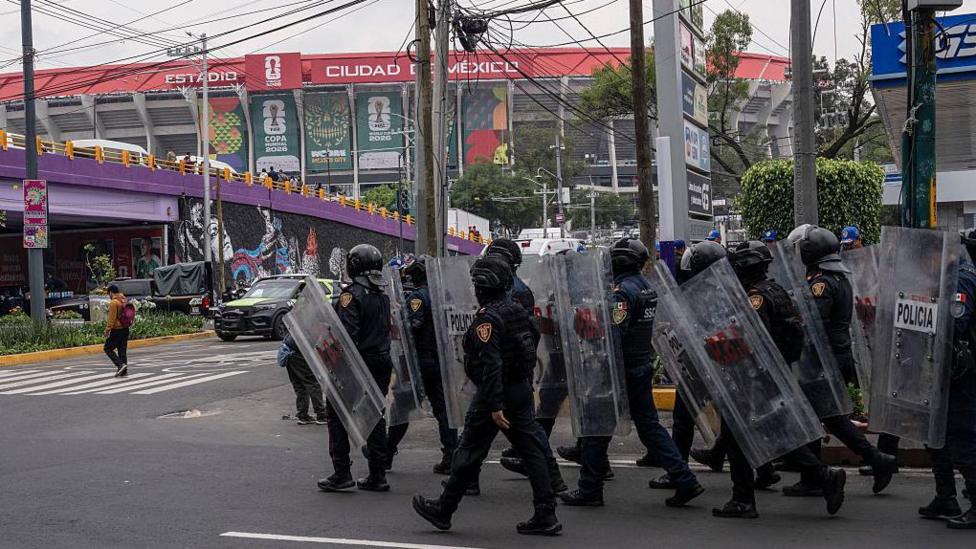
World Cup Fever Collides With Protest in Mexico City
As Mexico City prepares for an unprecedented third World Cup, activists are turning the global spotlight into a stage for dissent.