Maresca's Manchester City tenure hinges on one man: Rodri
The new City manager inherits Guardiola's throne but his tactical project collapses without the No 6 holding it together.
Khaldoon al-Mubarak offered two words when Enzo Maresca walked through the door at the Etihad Campus last month: "Welcome home." It was a gracious gesture from a chairman who has overseen the most successful era in Manchester City's history, and a pointed one. Maresca, 46, knows these corridors. He was Pep Guardiola's assistant during the 2022-23 treble campaign and, two years earlier, ran City's elite development squad. The prodigal son returning is a tidy narrative, but the reality beneath it is far less sentimental. Al-Mubarak's three-year contract offer carries an implicit demand: keep winning, keep the structure intact, and for God's sake, keep Rodri.
The structural dependency Maresca inherits
Every elite side has a load-bearing player, the one whose absence distorts the entire system. For Guardiola's City, that figure was always the holding midfielder. Fernandinho's disciplined screening allowed Kevin De Bruyne to roam. Rodri Hernández elevated the role into something closer to a deep-lying orchestrator, a No 6 who dictates tempo from the first phase of build-up through to the final third. His 2024 Ballon d'Or win was recognition of a profile that rarely earns individual awards: a pivot who makes everyone else look better without requiring the spotlight himself.
Maresca's tactical background reinforces this dependency. Across his coaching career, from City's development setup to Leicester's Championship-winning campaign in 2023-24, the Italian has consistently built from a single pivot base. His preferred 4-3-3 or 4-2-3-1 structures rely on a No 6 who can receive under pressure, recycle possession through half-spaces, and cover transitions without athletic extremes. Rodri is not just the best player in that role at City. He may be the only player in world football who performs it at the required level.
Remove him, and Maresca does not simply lose a starter. He loses the tactical foundation on which his entire positional play depends.
Real Madrid's interest is not hypothetical
The transfer noise around Rodri has moved beyond tabloid speculation into something closer to inevitability. Real Madrid's recruitment model under Florentino Pérez has long targeted players who represent both sporting excellence and commercial gravity. Rodri, a Euro 2024 winner with Spain and the reigning Ballon d'Or holder, fits that template precisely. More critically, the player himself is reported to harbour a desire to play for the Spanish giants, a pull that no Premier League contract can easily override.
City's negotiating position, while strong on paper, rests on a fragile premise: that sporting ambition alone can outweigh the emotional draw of returning home. Guardiola managed to convince Rodri to sign an extension previously, but Guardiola is no longer in the building. Maresca, for all his familiarity with the club, does not carry the same gravitational authority. He has never managed a Champions League knockout tie. He has never dealt with the scrutiny of leading a side expected to win every competition it enters.
If Madrid formalise their interest, which sources suggest is a matter of when rather than if, Maresca will face the defining test of his tenure before a ball is kicked in anger.
The tactical mathematics of a Rodri exit
Consider the structural consequences. City's build-up under Guardiola frequently operated with Rodri dropping between the centre-backs, allowing the full-backs to invert into midfield and creating a 3-2 base that overloaded central zones. This is not a system you replicate with a replacement signing, however expensive. The spatial intelligence Rodri brings, the ability to find angles under a press, the timing of his positional shifts, these are traits that take years to develop, not one transfer window.
Mateo Kovačić offers some cover, but his profile skews toward carrying the ball rather than distributing it from deep. Rico Lewis provides positional versatility but lacks the physical presence to anchor a midfield against elite pressing sides. The academy pipeline, Maresca's former domain, might eventually produce a successor, but not in time for the 2025-26 campaign.
A Rodri departure would force Maresca into one of two compromises: abandon the single pivot entirely and shift to a double pivot that reduces attacking width, or trust a patchwork solution and accept the structural vulnerability that comes with it. Neither option aligns with the stylistic continuity City's hierarchy expects.
Maresca's first real test is off the pitch
The Italian's appointment was met with approval rather than excitement. His tactical credentials are sound, his knowledge of the club genuine, and his Championship title with Leicester demonstrated an ability to impose a clear identity on a squad in transition. But City in 2025-26 are not a project. They are a machine that Guardiola built to operate at a specific frequency, and the boardroom's tolerance for recalibration is low.
Al-Mubarak's "welcome home" was warm, but it came without a safety net. Maresca's three-year deal is structured around expectations that Guardiola set: league titles, deep Champions League runs, a style of play that reflects the club's investment. Delivering any of that without Rodri becomes exponentially harder.
The opening weeks of Maresca's tenure will not be defined by tactical tweaks or new signings. They will be defined by a single conversation, the one where the new manager sits down with Rodri and tries to convince a player whose heart may already be in Madrid that Manchester is still home.
That conversation is, in every sense, Maresca's first match.
Editorial Integrity
This is an original SportPulse article written by our editorial team. All content is independently researched, written, and reviewed by our writers and editors before publication. We do not publish copied, aggregated, or syndicated content.
SportPulse is committed to original sports journalism. Read our editorial policy or contact us with any questions.
More Like This
All football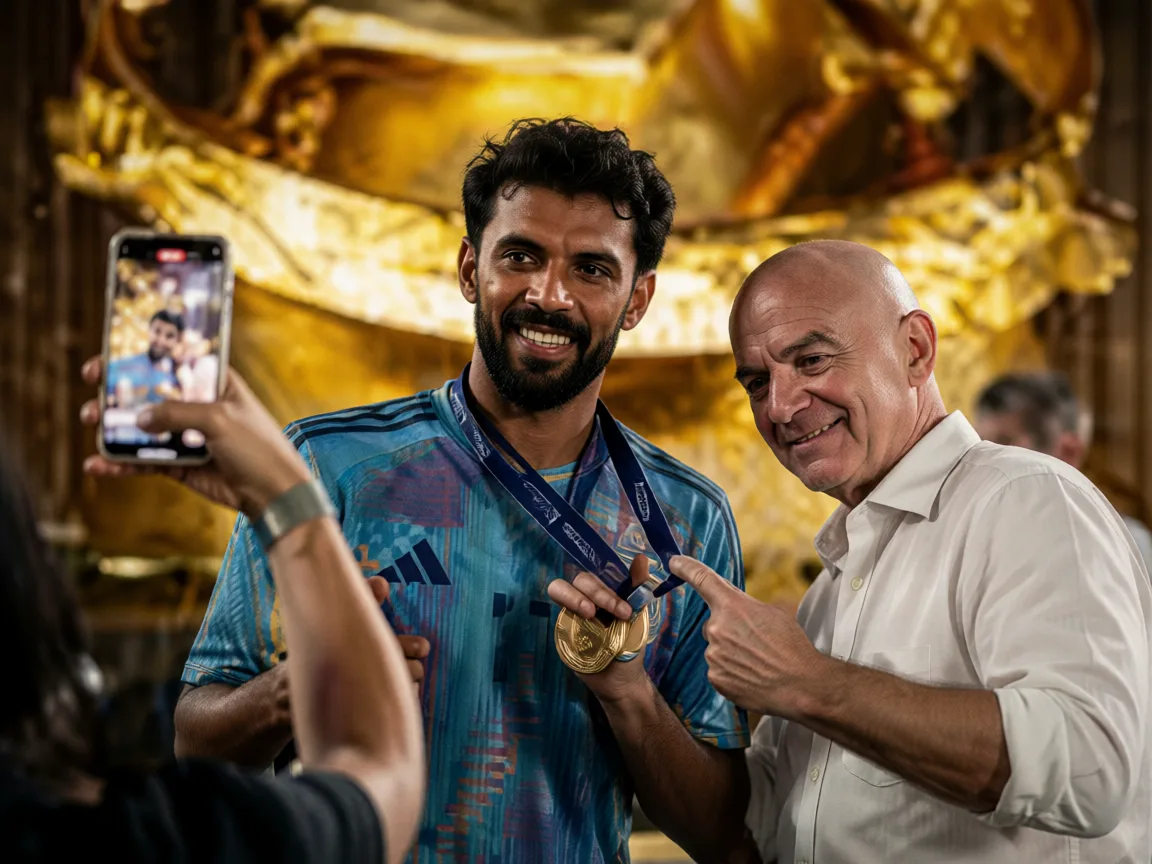
Vozinha, Spence and the Cult Heroes Defining the 2026 World Cup
Every World Cup needs its unlikely icons. The 2026 tournament has already delivered a new pantheon of cult heroes worth remembering.
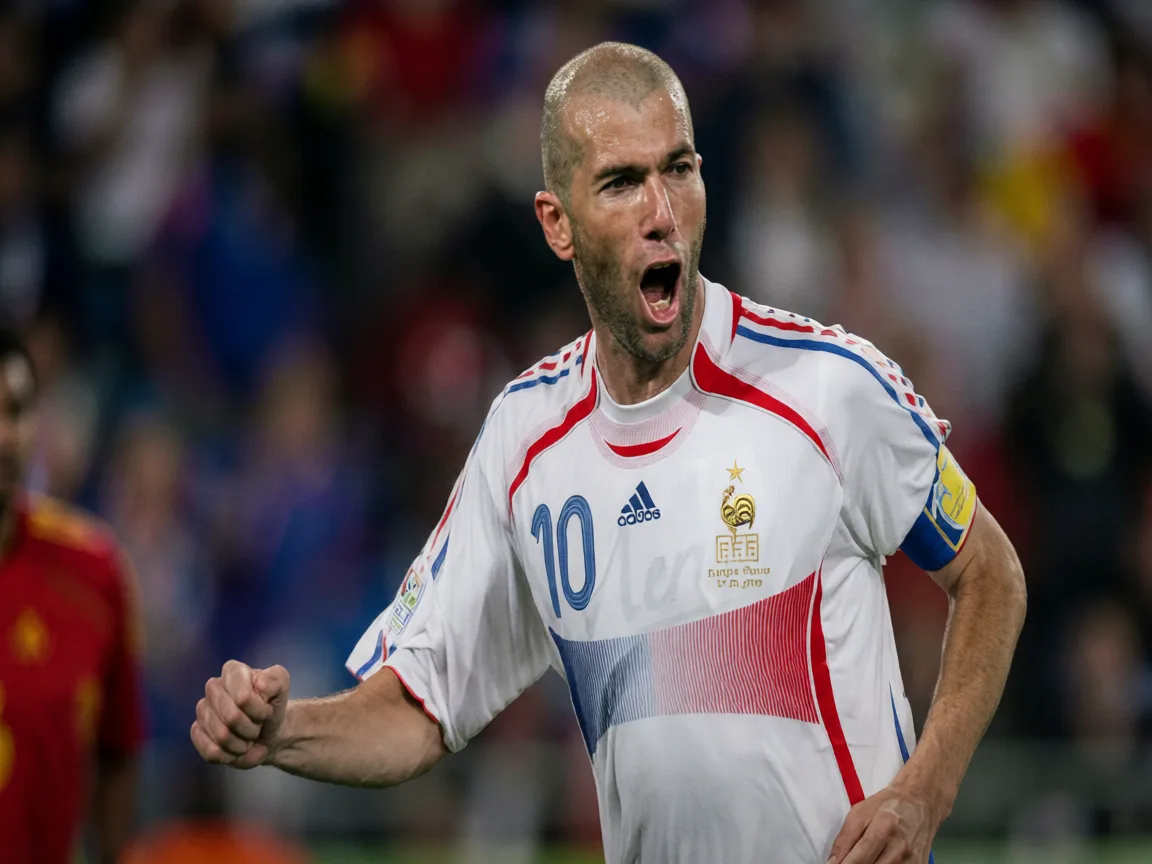
Written Off As Too Old: How France Broke Spain's Hearts in 2006
France's aging veterans engineered a masterclass against Spain's brilliant youngsters in a World Cup clash that defined two eras.
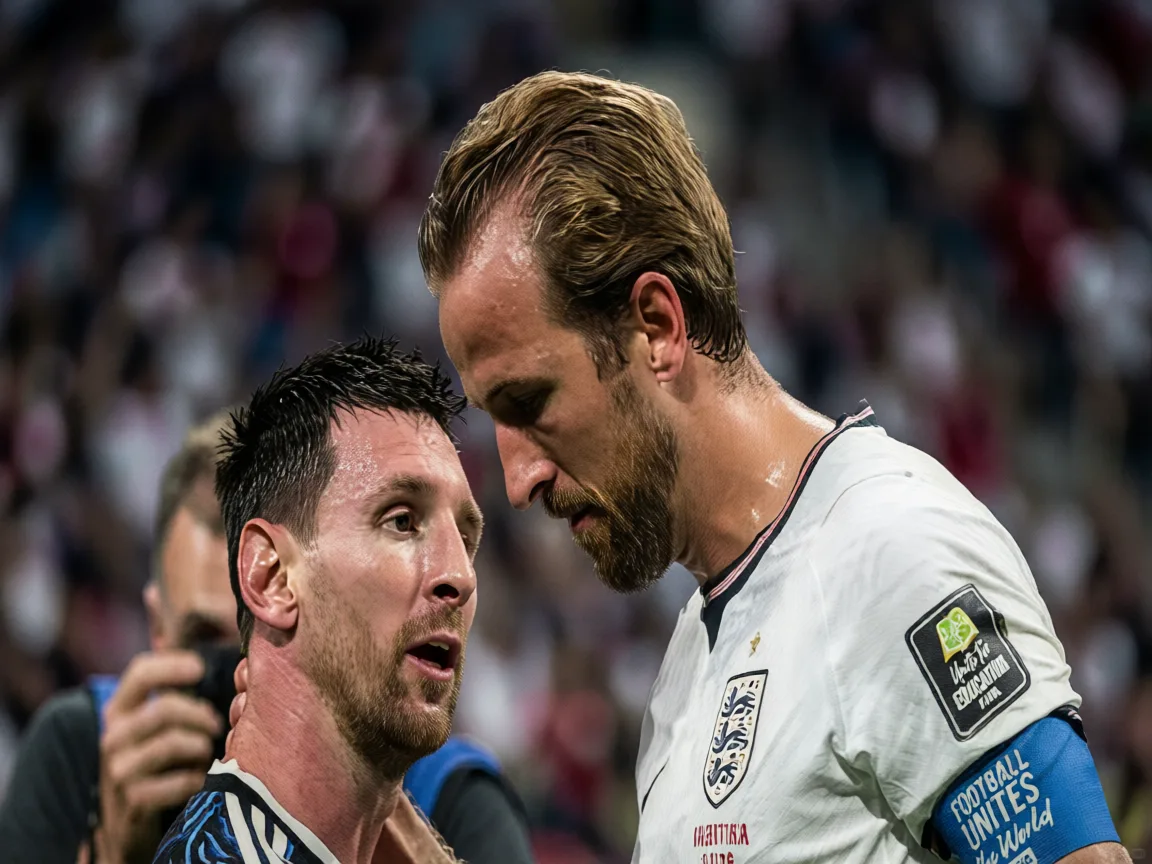
Kane's Defensive Retreat: When Tactical Prudence Becomes Self-Sabotage
England's decision to drop their captain deep against Argentina drew political criticism, but the real question is whether the system sacrificed the team's most lethal weapon.