Storm Warning: Mbappé's Century and a Ruthless France Brush Past Iraq
Kylian Mbappé marked his 100th cap with a brace as France sealed knockout qualification despite a two-hour weather delay.
The 100-Cap Milestone Nobody Could Rain On
A two-hour lightning delay. Waterlogged pitches in Pennsylvania humidity. An opponent with nothing to lose and everything to prove. None of it mattered. Kylian Mbappé treated his 100th cap for France like a personal celebration, scoring twice to dismantle Iraq 3-0 and confirm Les Bleus' passage to the 2026 FIFA World Cup knockout rounds.
The conditions at Philadelphia Stadium were absurd. Severe thunderstorms forced officials to halt play for over two hours, the kind of interruption that derails rhythm, cools muscles, and turns tactical plans into soggy paper. Iraq, ranked significantly below France and playing with the freedom of an underdog, might have welcomed the chaos. They were wrong to.
When play resumed, France picked up exactly where they left off: in complete control.
Mbappé's Ripper Sets the Tone
The opening goal was pure Mbappé. A long-range strike from outside the box that left Iraq's goalkeeper rooted, the kind of effort that separates generational talent from the merely excellent. France had been dominant in the buildup, pinning Iraq deep, cycling possession with the patience of a side that knows the breakthrough is inevitable. When it came, it was emphatic.
But the second goal told a different story. Iraq's defending collapsed under minimal pressure, gifting Mbappé a tap-in that he dispatched with the casual authority of a man who has now scored at will across three World Cup campaigns. On his milestone night, the France captain didn't need to work miracles. He just needed the space his teammates routinely create, and the finishing instincts that have made him the most feared striker in international football.
The Messi Parallel
This match furthered an increasingly compelling narrative. Mbappé's personal duel with Lionel Messi for World Cup supremacy has been the subtext of this entire tournament. With every goal, the Frenchman tightens the grip on a legacy that could eventually surpass the Argentine's on the biggest stage. Two World Cup finals before turning 28. A growing goal tally that rivals any active player. The 100th cap adds another layer to a résumé that reads like fiction.
Messi's shadow looms over this tournament, but Mbappé is doing everything in his power to ensure it's his own name that echoes loudest when the final whistle blows in New Jersey this July.
Verdict: Mbappé didn't need a heroic performance to mark his centurion night. He needed efficiency, and Iraq's defensive frailties handed it to him on a plate. The milestone itself, however, is no small thing. 100 caps for France at 27 years old is a pace that could see him challenge Lilian Thuram's record of 142 appearances if he stays fit and motivated.
Dembélé Finally Breaks His Tournament Duck
The third goal belonged to Ousmane Dembélé, and it carried significance beyond the scoreboard. This was his first-ever goal at a major tournament for France, a stat that has quietly haunted a player of obvious, sometimes infuriating, brilliance.
Dembélé's international career has been defined by moments of electric promise interspersed with frustrating anonymity. His dribbling is among the best in world football. His decision-making remains a work in progress. But in Philadelphia, with the match already settled, he found the net with the kind of composure that Deschamps has been waiting years to see on this stage.
The goal mattered for squad confidence as much as anything. France's attack has often been criticized for being overly reliant on Mbappé, with the supporting cast failing to deliver when the pressure intensifies. Dembélé breaking his duck won't silence those concerns entirely, but it adds a psychological weapon to Deschamps' arsenal heading into the business end.
The Bottom Line: One goal against a weakened Iraq doesn't rewrite Dembélé's tournament narrative. But for a player who has carried the weight of underperformance on the international stage, this was a release valve. Whether it unlocks something deeper remains the defining question of France's knockout campaign.
Deschamps' Luxury: Rotation and Preservation
Perhaps the most telling detail of the evening was what happened on the touchline. Didier Deschamps substituted both Dembélé and Michael Olise at the 60-minute mark, preserving them for more demanding fixtures ahead. With knockout qualification secured, France's manager had the rare luxury of managing minutes in a World Cup group stage.
This is the kind of squad management that wins tournaments. France's depth is staggering. The ability to bring fresh legs off the bench, to rest key players without compromising results, is a structural advantage that few nations can match. Deschamps, who guided France to the 2018 World Cup title and the 2022 final, understands tournament football better than almost any active coach. His decision to protect Dembélé and Olise signals exactly where his priorities lie: knockout football, where margins shrink and fatigue becomes the invisible opponent.
The early substitutions also sent a message to the rest of the squad. Performances earn minutes. Minutes in the group stage are rationed for a reason. France's bench knows that fitness and freshness will determine selection when the stakes escalate.
Iraq's Brave Night Ends in Familiar Heartbreak
Credit where it's due. Iraq came to Philadelphia with a plan to frustrate, to compete physically, to make France uncomfortable in conditions that theoretically leveled the playing field. For stretches, they succeeded. The weather delay gave them an extended window to reset, to hydrate, to regroup.
But there's a chasm between competing and winning. Iraq's defensive collapse for Mbappé's second goal was the kind of mistake that top-level opponents punish ruthlessly. Against a France side operating in third gear, that error was fatal. Against a more ruthless knockout opponent, it wouldn't even register as a learning experience.
Iraq's World Cup journey, admirable in its ambition, is running out of road. The gap between the tournament's emerging nations and its established powers remains vast, and no amount of thunderstorm disruption can bridge it.
What Comes Next for France
With knockout qualification confirmed, France enter the elimination rounds with a settled squad, a prolific striker, and a manager who has seen everything this tournament can throw at him. The group stage served its purpose: three points secured, key players rested, a milestone celebrated.
The real questions begin now. Can Dembélé build on his breakthrough goal? Will Olise, still relatively new to the international stage, deliver when the margins are razor-thin? Can the midfield cope with the elite pressing they'll face from potential knockout opponents?
And then there's Mbappé. 100 caps. A growing World Cup legacy. A personal rivalry with Messi that defines this era of international football. The storm in Philadelphia was temporary. His brilliance appears to be permanent.
France don't just look like contenders. They look like a side that hasn't yet been truly tested, and that might be the most frightening thing of all.
Editorial Integrity
This is an original SportPulse article written by our editorial team. All content is independently researched, written, and reviewed by our writers and editors before publication. We do not publish copied, aggregated, or syndicated content.
SportPulse is committed to original sports journalism. Read our editorial policy or contact us with any questions.
More Like This
All football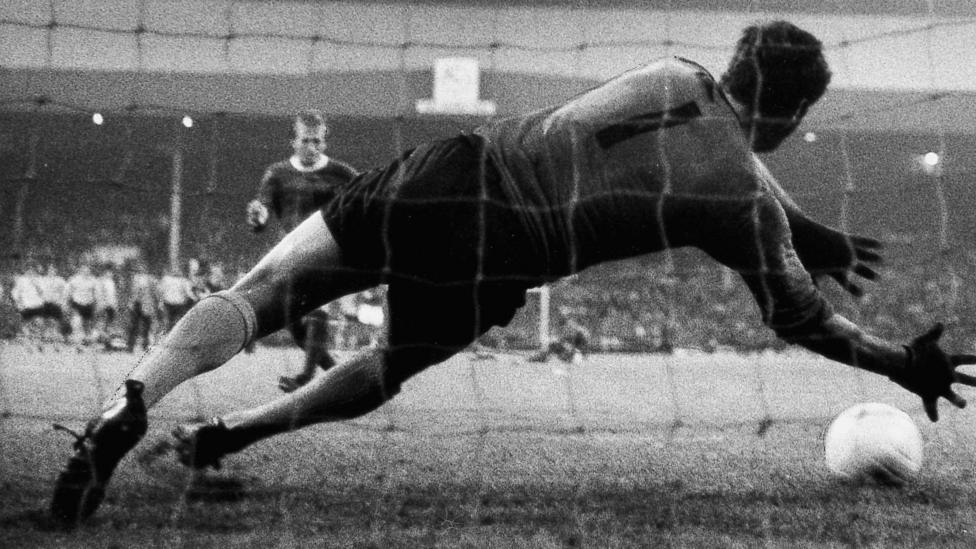
The Day Football Replaced Cruelty With Chaos: Inside the Birth of the Penalty Shootout
Before the drama of shootouts, football decided knockout ties with coin tosses and drawing of lots — until 1970 changed everything.
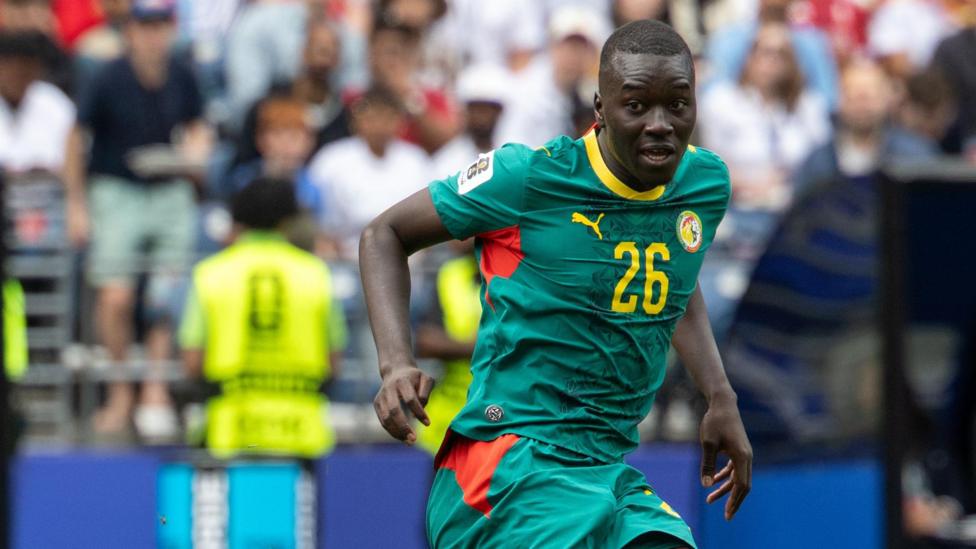
Gueye's Senegal Standoff: A Midfielder Draws a Line in the Sand
Pape Gueye's refusal to play for Senegal under current management signals deeper fractures in African football's player-coach power dynamics.
The Economist Who Called Three World Cups Just Got One Wrong
Joachim Klement's model picked Netherlands to win it all. The streak is dead.