McGregor's UFC 329 Return: Redemption Tour or Undeserved Circus?
Five years away, endless controversy, and a main event slot. Does McGregor still deserve the spotlight?
The Long Walk Back
Five years.
That's how long it has been since Conor McGregor last walked the UFC walk in genuine, non-exhibition competition. Five years of headlines, legal battles, business ventures, and promises of a comeback that never materialized. Now, at UFC 329 on Sunday, the sport's most magnetic and most polarizing figure returns against Max Holloway.
The narrative writes itself: a fallen king reclaiming his throne, a spectacle seven years in the making, a collision between two eras of featherweight greatness.
But beneath the promotional sheen, a harder question lingers.
Does McGregor still deserve this?
A five-year absence is not a sabbatical. In combat sports, it's a lifetime. Fighters age in dog years inside the cage, and McGregor has spent those years everywhere except inside it.
The Holloway History
The matchup itself is a promoter's dream. McGregor and Holloway first crossed paths in 2013, back when both were hungry prospects scrapping for relevance on undercards. McGregor won that featherweight bout by unanimous decision, a gritty tactical affair that predates the flashy knockout era of his prime.
Both men took radically different paths afterward.
McGregor became a two-division champion, a pay-per-view supernova, and the man who dragged MMA into the mainstream consciousness alongside Floyd Mayweather in a crossover boxing spectacle. Holloway evolved into arguably the greatest 145-pound fighter in UFC history, defending his belt with chilling consistency and racking up division records.
Now they meet again, but the dynamics have shifted entirely.
Holloway is no longer the young prospect McGregor outpointed. He is a battle-hardened veteran in his own right, a champion who has seen every style, survived every storm, and built a legacy that may ultimately eclipse McGregor's own.
McGregor, meanwhile, is a question mark wrapped in a business suit.
The Case Against
Let's address the elephant in the octagon.
McGregor's absence from the UFC has not been quiet. It has been punctuated by incidents that make you question whether the sport should hand him a platform at all. Multiple legal complaints, assault allegations settled out of court, a public persona that has lurched from brash to reckless, and a series of社会化media meltdowns that generated more headlines for the wrong reasons.
The critics are not just internet voices. They are within the sport itself.
There are many who believe the controversial fighter doesn't deserve the spotlight. They argue that rewarding McGregor with a main event slot, after years of behavior that would have buried a less commercially valuable fighter, sends the wrong message about what the UFC values.
And they have a point.
The UFC has cut fighters for less. It has buried contenders who lacked the promotional charisma to justify investment. Yet McGregor, despite his inactivity and his off-cage controversies, gets the main event treatment. He gets the build-up, the embedded series, the press conferences, the red-carpet return.
Because he generates money. And in the fight business, money talks louder than memory.
The Commercial Reality
Let's not pretend this is about sporting merit.
McGregor has not earned this shot through rankings, recent wins, or active competition. He has earned it through pay-per-view mathematics. His return will generate numbers that few other fighters on the current roster can touch. UFC 329 will sell. It will trend. It will bring casual fans back to a product that has struggled to create new superstars in his absence.
The UFC is a business first and a sport second. Everyone knows it. Few say it aloud.
- PPV History: McGregor has headlined five of the top six best-selling UFC pay-per-views of all time.
- Gate Revenue: His fights consistently break arena records, with UFC 229 generating an astronomical $17.2 million gate.
- Global Reach: His return guarantees media coverage from outlets that otherwise ignore MMA entirely.
That commercial gravity is why he is here. Not because he outpointed someone in a contender eliminator. Not because he climbed the rankings. Because the UFC needs him.
And perhaps, in a way, he needs the UFC.
The Sporting Question
Strip away the controversy, the money, and the mythology, and a purely sporting question remains: what does McGregor have left?
Five years out of the cage is no small variable. Reflexes dull. Timing erodes. The Intuitive understanding of distance and range, the things that made McGregor a杀手 in his prime, require live rounds to maintain.
Training footage only tells you so much. Sparring is not fighting. And Max Holloway, a fighter who has stayed active, sharp, and elite throughout McGregor's exile, is the worst possible opponent to test ring rust against.
Holloway's pressure is relentless. His output is suffocating. He wears opponents down not with single fight-ending shots but with an accumulation of damage that breaks the body and the will. For a fighter returning after five years, that is a nightmare style to face.
McGregor's left hand is still thunderous. His counter-striking IQ remains elite. But power fades less than pace, and Holloway has pace to burn.
The Redemption Narrative
The UFC will sell this as redemption. A fallen champion, humbled by time and consequence, walking back into the fire to prove that greatness does not expire.
The reality is more complex.
McGregor return is a commercial event disguised as a sporting one. It is a spectacle built on nostalgia and the lingering star power of a man who stopped fighting competitively long before he stopped being famous.
But combat sports have always operated this way. The show matters as much as the sport. And McGregor, for all his flaws and all the valid criticism he invites, remains the greatest show this sport has ever produced.
The question was never whether McGregor deserves the spotlight. The question was always whether the spotlight cares about deserving.
On Sunday, the lights come on. The cage door shuts. And for 25 minutes, none of the controversy, the absence, or the debate will matter.
What matters is whether the fighter who built an empire on his left hand and his sheer force of personality still has enough of both to survive a man who never left.
Holloway has been waiting. McGregor has been everywhere except here.
Now they meet again. And the sport, for all its complicated feelings about its most famous face, will be watching.
The cage does not care about narratives. It does not care about controversy or commerce or whether someone deserves another chance.
It only cares about who is left standing.
And that, perhaps, is the one thing that has not changed in five years.
The answer will come on Sunday.
Editorial Integrity
This is an original SportPulse article written by our editorial team. All content is independently researched, written, and reviewed by our writers and editors before publication. We do not publish copied, aggregated, or syndicated content.
SportPulse is committed to original sports journalism. Read our editorial policy or contact us with any questions.
More Like This
All long-reads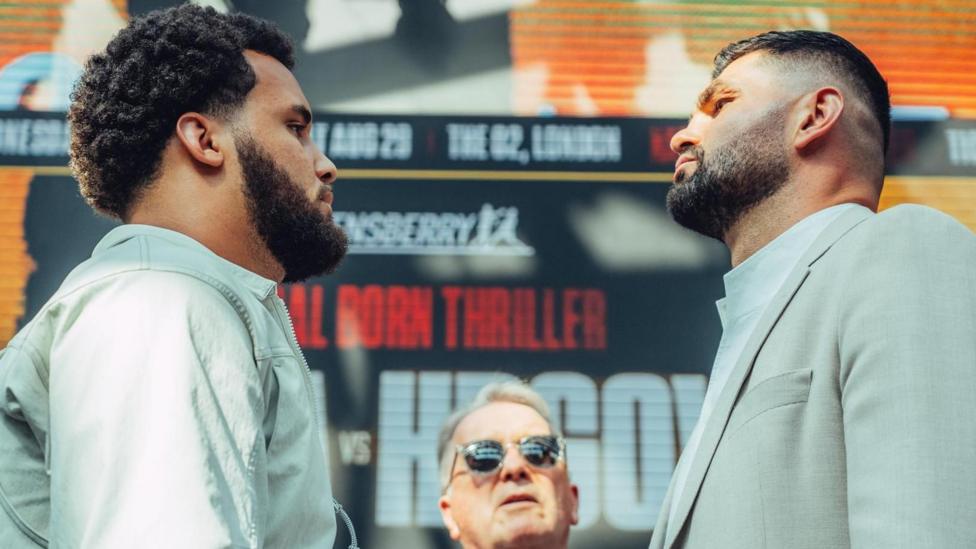
Hrgovic Erupts: Itauma Handed Everything on a Plate
Filip Hrgovic unleashed a furious tirade against Moses Itauma, accusing the prodigy of enjoying a gilded path to heavyweight stardom.
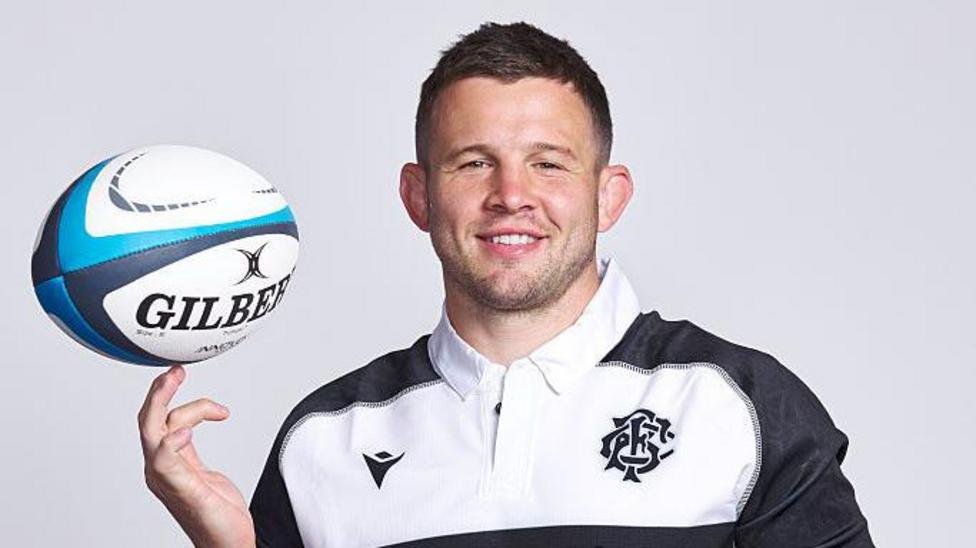
Elliot Dee Named to Start for Barbarians Against His Own Country
Dragons hooker Elliot Dee will line up against Wales in a Barbarians jersey at the Allianz Stadium on Saturday.
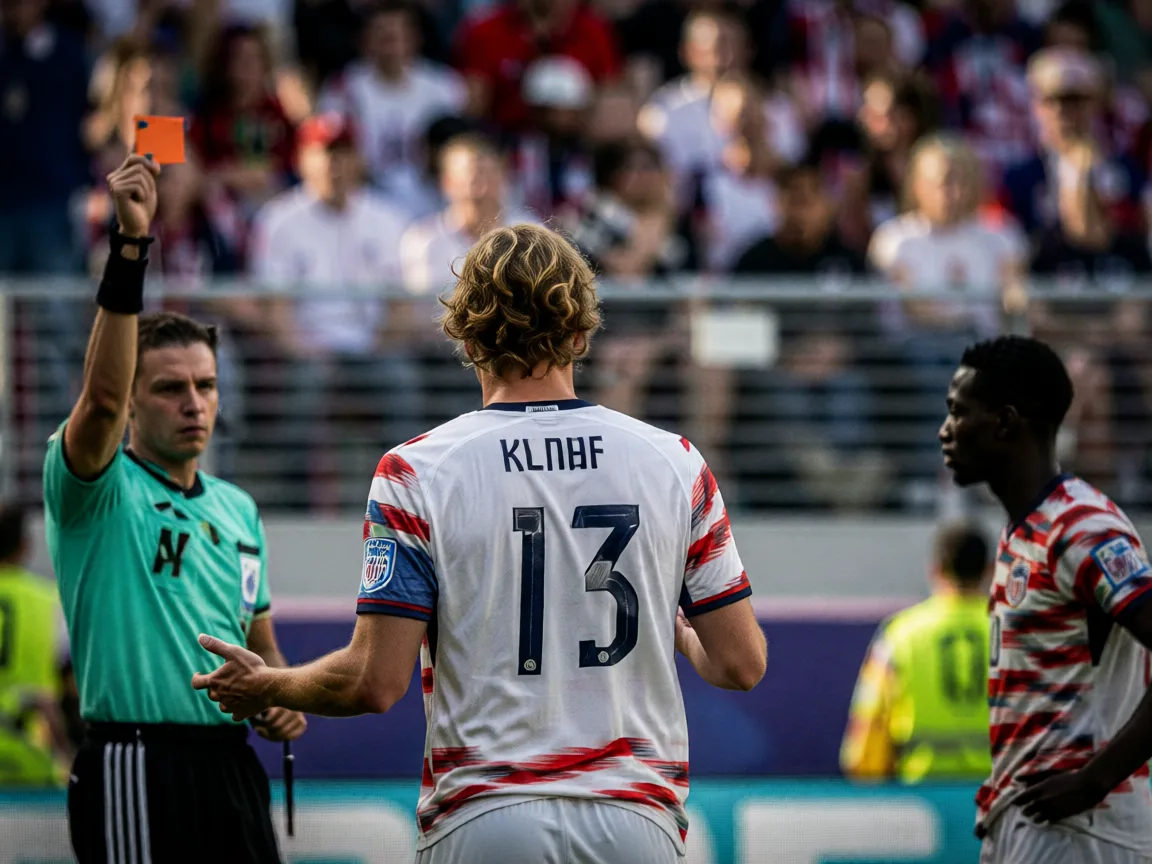
When the Race Ends but the Result Doesn't
A disqualified F2 driver and an overturned FIFA red card reveal sport's growing addiction to post-event adjudication.