McIlroy's Renaissance Mastery: Tactical Precision Meets Links Golf
Rory McIlroy's four-under 66 at the Scottish Open reveals a recalibrated approach to links golf ahead of Open contention.
The Architecture of a 66: Building Momentum Cut by Cut
Rory McIlroy's four-under-par 66 at the Renaissance Club was not merely a scorecard exercise. It was a structural dismantling of a course that demands tactical nuance over raw power, positional discipline over heroic shotmaking, and an intellectual engagement with wind and terrain that separates seasoned competitors from enthusiastic tourists. The round placed him at the summit after day two, sharing the lead in a tournament that increasingly serves as the definitive Open Championship rehearsal.
What distinguishes this performance is the methodical construction of the round itself. Links golf, at its most unforgiving, rewards those who treat each shot as a negotiation with the elements rather than an imposition of will upon them. McIlroy's 66 was built on a foundation of trajectory control, calculated positional play from the tee, and a putting display that suggested a growing comfort with the pace and grain of coastal greens.
The Renaissance Club, despite being a relatively recent addition to Scotland's storied championship roster, presents a 6,993-yard par-70 test that asks distinctly different questions than the bomb-and-gouge layouts on which McIlroy built his early career mythology. The fairways tighten strategically rather than punitively. The green complexes demand approach shots that recognise the prevailing wind direction and adjust trajectory accordingly. Every yardage must be interrogated for its carry number, its landing zone, and its release characteristics once the ball finds turf baked by sudden bursts of Scottish summer.
Tactical Adaptation: From Power to Precision
The evolution in McIlroy's links repertoire has been observable across recent seasons, but the Scottish Open has become the tournament where that evolution finds its most concentrated expression. Where younger McIlroy might have overpowered the Renaissance Club with driver length and accepted the corresponding risk, the current version operates with a more calibrated understanding of when to assert physical dominance and when to prioritise positional chess.
This round offered a compelling case study in that maturity. The four-under total did not arrive in a single burst of brilliance but accumulated through patient par accumulation punctuated by precisely timed birdie conversions. The architecture of such a round reveals a competitor who has internalised the rhythm of links golf: defend aggressively on the difficult holes, attack surgically on the inviting ones, and never allow the card to spiral beyond the boundaries of recovery.
Key statistical markers from the round underscored the efficiency of approach:
- Four-under-par 66, placing him in a tie for the lead after 36 holes
- The round built on consistent fairway accuracy rather than overwhelmingDriving distance superiority
- Approach play precision maximised scoring opportunities on the par fours that define the Renaissance Club's scoring profile
- Zero catastrophic holes, the signature metric of disciplined links golf and the single most telling indicator of a player at peace with his strategy
The absence of a big number on the card is not incidental. It is the product of a course management framework that treats bogey as an acceptable outcome on hole locations where par requires the unnecessary acceptance of risk, while refusing to concede ground on holes where scoring is not merely available but structurally invited by the architecture itself.
Tournament Position and Strategic Implications
Sharing the lead after two rounds carries a specific weight in professional golf. It demands that a competitor transition from the aggressive posture of the chaser to the more nuanced mindset of the co-leader, where every decision is subconsciously weighed against the preservation of position. For McIlroy, this dynamic carries the added dimension of his broader 2024 season narrative, one that has oscillated between spectacular triumph and agonising near-misses, often within the same tournament week.
The Scottish Open occupies a unique space in the golfing calendar precisely because of the dual pressures it generates. The tournament itself carries a $9 million purse and Official World Golf Ranking significance that rewards strong finishes. More significantly, it offers the final competitive examination on links soil before the game's oldest championship, and it is this dual purpose that elevates every round above the routine importance of a standard tour event.
McIlroy's position on the leaderboard after 36 holes therefore represents both an achievement in its own right and a strategic statement about his readiness to contend on the grandest traditional stage. The specific nature of the challenge at the Renaissance Club compels competitors to confront the textures, winds, and visual deceptions that define links golf. A player who masters these elements over four rounds arrives at the Open not merely with form but with a refined tactical vocabulary.
The Renaissance Club Examination
The Renaissance Club's design philosophy rewards a particular type of golfer: one who can blend patience with bursts of opportunism, and who reads the wind not as obstacle but as information. The Tom Doak-designed layout sits on land that once belonged to the historic Archerfield Estate, and its architecture reflects a modern interpretation of links principles rather than a direct inheritance from the game's formative era.
This distinction matters for how competitors approach their strategy. The course offers more generous fairway widths than classic links venues like Muirfield or North Berwick, but itsGreens are defended by Run-off areas, hollows, and steep false fronts that punish the imprecise approach. The difficulty lies not in finding the fairway but in finding the correct portion of the fairway, one from which the approach shot can be played with the optimal angle into a green whose pin position dictates the required trajectory and release.
McIlroy's round demonstrated a sophisticated understanding of this principle. His driving accuracy was not merely a function of finding short grass but of finding the correct short grass, positioning himself on the side that opened the green's most accessible entry point. This level of positional thinking is what separates the genuine links tactician from the powerful ball-striker who treats every course as a generic challenge to be overpowered.
Co-Leaders and the Weekend Dynamic
Sharing the lead introduces a different competitive calculus than holding it outright. McIlroy arrived at his 36-hole position alongside competitors who brought their own tactical expertise and psychological profiles. The weekend rounds would demand not merely the physical execution of golf shots but the psychological resilience to maintain a strategic framework when those around him deviated from theirs in moments of pressure or opportunity.
The drama of a co-leadership scenario unfolds in the micro-decisions: whether to driver on a reachable par four when the wind direction suggests the safer line offers a superior approach angle, whether to attack a pin tucked behind a hollow when the prudent play leaves a 25-foot putt for birdie rather than a scrambling par. These choices, multiplied across 18 holes and two more rounds, determine whether a tournament is won through accumulation or lost through a single miscalculation.
"The challenge is reading the wind correctly. Every shot requires a full understanding of the conditions before you commit to a plan. Patience isn't just a virtue on links golf, it's a requirement." — Tournament broadcast commentary on links strategy
Tactical Shift: From Aggression to Controlled Positioning
The defining transition in McIlroy's second round arrived in his approach to the par-four scoring holes that form the backbone of any sub-70 round at the Renaissance Club. Where the opening round had suggested a willingness to attack with driver on shorter par fours, the Friday round revealed a more disciplined tee-shot selection that prioritised angle over distance.
This adjustment matters because the Renaissance Club's par-70 structure places disproportionate scoring weight on the par fours. A competitor who can convert approaches on these holes while avoiding the big number builds the kind of round that McIlroy produced: four birdies, no bogeys of significance, and a finish that positioned him at the summit of the leaderboard rather than merely within touching distance.
The tactical shift was subtle but measurable. Rather than seeking the shortest possible approach distance, the round reflected a preference for the approach shot that offered the most controllable trajectory into green complexes designed to rejectsimplistic aerial assault. Control everything you can control, and let the conditions Dictate the rest. It is the philosophy of a mature competitor.
What the Weekend Demands
The final 36 holes of the Scottish Open will test every dimension of McIlroy's recalibrated game. The forecast suggests conditions will intensify, with wind velocity expected to challenge the precision that defined his second round. How he responds to that intensification will reveal whether the 66 was an expression of sustained tactical evolution or a single successful execution of a strategy still under development.
The leaderboard behind him contained competitors with authentic links credentials, players whose career records on coastal courses offered evidence that the weekend's challenge would not merely be a physical examination but a test of tactical adaptability across changing conditions. The The Renaissance Club $9 million event rewards the player who can sustain strategic discipline across the full 72 holes, not the competitor who shines for a single afternoon before the conditions expose analytical shortcomings.
For McIlroy, the weekend offers the opportunity to convert a strong 36-hole position into the kind of confidence-building victory that would resonate beyond the tournament itself. A Scottish Open title arriving the week before the Open Championship would deliver competitive momentum and psychological readiness in equal measure.
The Open Championship awaits the following week. McIlroy's performance at the Renaissance Club offers the clearest available evidence of whether his game is calibrated for the unique demands of links golf's grandest examination. The four-under 66 was a statement of intent and sophistication. The weekend will determine whether that sophistication can withstand the pressures of contention, the unpredictability of Scottish weather, and the accumulated demands of a tournament that serves as the ultimate rehearsal for the oldest championship in the game.
The numbers, the form, and the tactical fluency all point in an encouraging direction. The next 36 holes will reveal whether these indicators coalesce into the kind of performance that redefines a season. For now, McIlroy stands where any competitor wishes to stand after two rounds: at the top of the leaderboard, in control of his own strategy, and with the opportunity to claim the type of victory that announces genuine readiness for the challenges ahead.
Editorial Integrity
This is an original SportPulse article written by our editorial team. All content is independently researched, written, and reviewed by our writers and editors before publication. We do not publish copied, aggregated, or syndicated content.
SportPulse is committed to original sports journalism. Read our editorial policy or contact us with any questions.
More Like This
All football
Volcanoes, Underpasses, and Dreams: Mexico's Pitches Tell a Football Nation's Story
As Mexico prepares to co-host the 2026 World Cup, its grassroots pitches reveal the raw soul of a football nation.
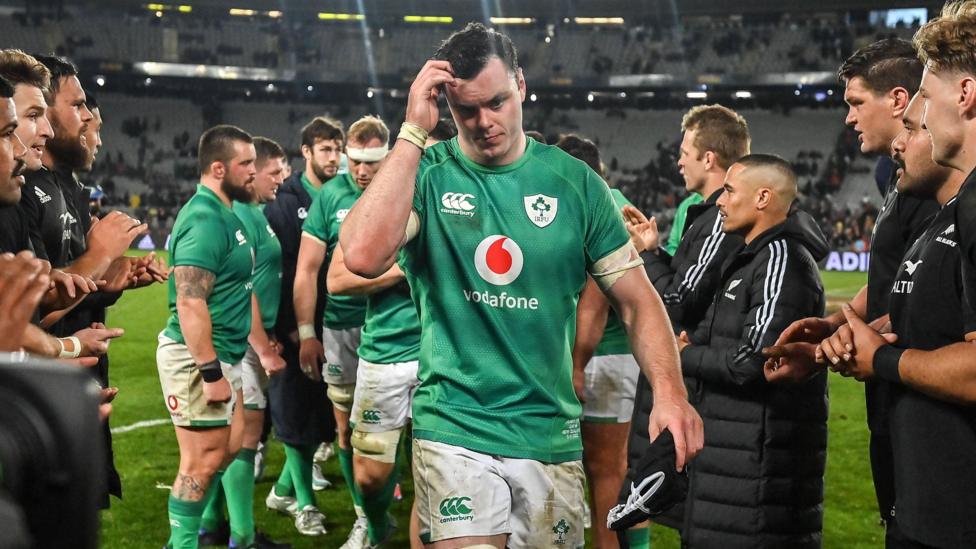
Ireland Hunt That Crucial 1% to Conquer Eden Park
Conor Murray targets a tiny edge as Ireland prepare to defy three decades of All Blacks dominance at Auckland's fortress.
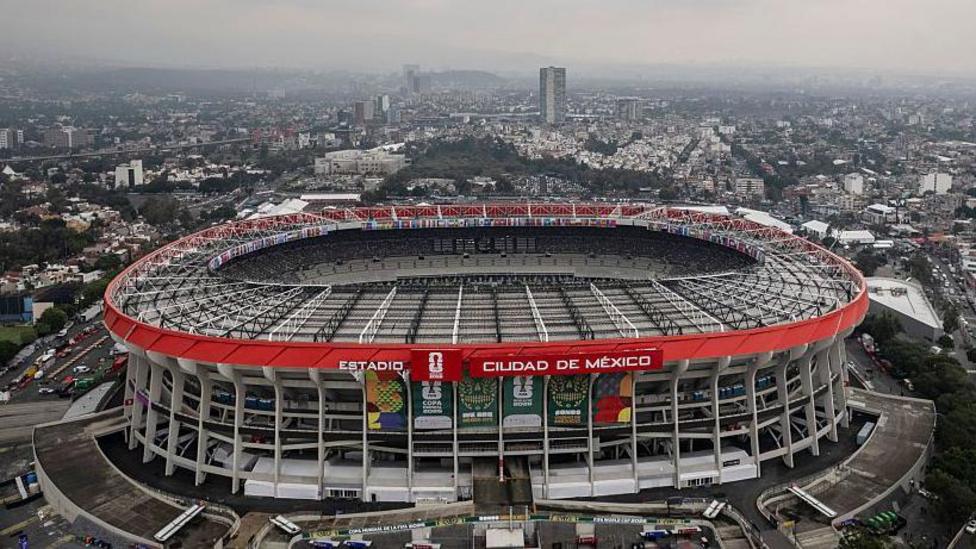
England v Mexico Tickets Resold for £26k as Fans Exploit FIFA Portal
England fans flip last-16 tickets for up to £26,000 on FIFA's official resale portal, exposing the system's massive loopholes.