McInnes Inherits a Rangers Side in Need of Tactical Identity
Derek McInnes returns to Ibrox as manager, but restoring Rangers' competitive edge demands far more than nostalgia.
A Homecoming Wrapped in Pressure
Derek McInnes knows Ibrox. He played there, he absorbed its rhythms, and he understands the particular weight of expectation that presses down on anyone occupying the manager's office. But understanding the demands and meeting them are two very different challenges. Rangers have turned to McInnes at a moment when the club's identity on the pitch has become blurred, its recruitment model inconsistent, and the gap to Celtic feels less like a hurdle and more like a chasm.
The appointment itself carries a logic that is both pragmatic and emotional. McInnes built his reputation at Aberdeen over eight years, transforming the Dons into the most credible domestic challengers Celtic faced during their early dominance under Brendan Rodgers. He delivered a Scottish League Cup in 2014, reached multiple cup finals, and consistently finished second in the Premiership during a period when Aberdeen's resources paled in comparison to the Old Firm. That track record of overachievement is precisely what Rangers need now.
But Ibrox is not Pittodrie. The budget is larger, the scrutiny is fiercer, and the margin for error is virtually nonexistent.
The Tactical Vacuum
What has plagued Rangers most in recent seasons is not simply a lack of quality but a lack of coherent tactical direction. Under previous managers, the side oscillated between possession-based build-up and direct transitional play without committing fully to either. The result was a team that looked uncertain in its press, inconsistent in its rest defence, and often structurally vulnerable against well-organised opponents.
McInnes's Aberdeen sides were defined by their defensive organisation. He typically operated with a 4-2-3-1 shape that prioritised compactness between the lines, disciplined midfield screening, and quick vertical transitions through wide channels. The pressing was calculated rather than aggressive: Aberdeen under McInnes did not chase the ball high up the pitch relentlessly, but instead maintained a medium block that forced opponents into wide areas before springing counters through pace on the flanks.
The question is whether that template translates to Rangers. At Aberdeen, McInnes could set up as the underdog and thrive. At Rangers, he will be expected to dominate possession in the majority of domestic fixtures while also presenting a credible threat in European competition. That requires a different tactical vocabulary, one that incorporates sustained positional play and the ability to break down deep defensive blocks.
Five Key Issues McInnes Must Address
1. Defensive Structure and Rest Defence
Rangers have conceded too many goals from transitions in recent campaigns. The back line has frequently been exposed by quick vertical passes through midfield, leaving centre-backs isolated in wide spaces. McInnes must establish a rest defence that provides immediate coverage when possession is lost. This means calibrating the positioning of the two deepest midfielders and ensuring the full-backs understand when to overlap and when to hold.
2. Midfield Control
The engine room has been Rangers' most inconsistent area. Too often, the midfield trio has failed to dictate tempo, either bypassed entirely by direct long balls or caught in pressing traps that leave gaps between the lines. McInnes needs to identify a midfield profile that balances ball progression with defensive coverage. At Aberdeen, he relied heavily on a double pivot to shield the back four while a creative number ten operated ahead of them. Translating that structure to Ibrox requires finding players who can execute both phases with authority.
3. Recruitment Coherence
This is perhaps the most critical off-pitch issue. Rangers' recruitment in recent windows has lacked a unified philosophy. Players have been signed based on individual talent rather than systemic fit, resulting in a squad that feels assembled rather than constructed. McInnes must work closely with the recruitment department to ensure every signing aligns with his tactical blueprint. At Aberdeen, he maximised modest budgets by targeting players who fit specific roles within his system. That discipline must now scale to Rangers' greater financial resources.
4. Wide Play and Chance Creation
McInnes's best Aberdeen teams were devastating on the counter through wide areas, but Rangers typically face opponents who sit deep and deny space in behind. The new manager needs a plan for progressive wide play against compact defences: overlapping full-backs delivering from deep positions, inverted wingers cutting inside to create shooting angles, and midfield runners arriving late in the box. Rangers' expected goals numbers have underperformed their actual chance creation in recent seasons, suggesting the quality of opportunities rather than the quantity is the problem.
5. European Pedigree
Rangers' European campaigns have provided some of the club's finest recent moments, but they have also exposed tactical limitations. Opponents in the Europa League and beyond punish structural weaknesses that domestic sides cannot exploit with the same precision. McInnes has limited European experience relative to what Rangers need. His Aberdeen sides occasionally featured in Europa League qualifying but rarely progressed deep into the competition. Adapting his medium-block defensive approach to cope with the technical quality and positional sophistication of continental opponents will be a significant learning curve.
Tactical Shift: The Pressing Identity Question
The defining tactical decision of McInnes's early tenure will be how aggressively Rangers press. His instinct, honed over years at Aberdeen, is to conserve energy in a compact shape and strike on the break. But the Ibrox faithful expect front-foot football, sustained pressure, and territorial dominance.
There is a middle ground. McInnes could implement a gegenpressing trigger system where Rangers press intensely in specific zones, particularly when the ball is played into central midfield, but drop into a more conservative shape when the trigger is not activated. This would preserve the defensive solidity that is McInnes's hallmark while giving the team the aggressive edge supporters demand.
The alternative is a full commitment to a high press, which would require significant squad conditioning and tactical drilling. Given the timeline of a season already in progress, a hybrid approach seems more realistic. The risk of a half-hearted press is that it creates the worst of both worlds: energy expended without pressing traps being sprung, leaving space behind the first line of pressure.
The Celtic Problem
No analysis of Rangers is complete without addressing the elephant in the room. Celtic's dominance of Scottish football has been built on a foundation of tactical clarity, recruitment efficiency, and financial discipline. The gap between the two clubs is not merely about individual talent; it is about systemic coherence.
McInnes's challenge is to close that gap not through individual transfer coups but through building an identity that can withstand the ebb and flow of a season. Celtic under their current structure have shown that a clearly defined playing philosophy, consistently applied, creates compounding advantages over time. Rangers need the same.
"The job is to make this team recognisable. When people watch Rangers, they need to know what they are seeing within the first ten minutes. That is the foundation for everything else." — Derek McInnes on his appointment
What Comes Next
The immediate fixtures will test McInnes's ability to impose his ideas under pressure. Scottish Premiership matches come thick and fast, and there is no pre-season to install a new system. Expect a pragmatic first few weeks: defensive organisation first, attacking patterns second.
The real measure of this appointment will come in the January transfer window and the second half of the season. If McInnes can identify two or three signings who perfectly fit his tactical requirements and integrate them quickly, Rangers could rediscover the competitive edge that has eluded them.
The longer-term question is whether McInnes can evolve beyond the tactical identity that defined his Aberdeen tenure. He is a meticulous coach with genuine pedigree, but Ibrox demands growth. The manager who arrives must not be the same manager who leaves. Rangers' future depends on whether McInnes can expand his tactical palette while retaining the defensive discipline that has always been his calling card.
The Ibrox hotseat has claimed many before him. McInnes knows the terrain better than most. Now he must prove that familiarity breeds not contempt, but conviction.
Editorial Integrity
This is an original SportPulse article written by our editorial team. All content is independently researched, written, and reviewed by our writers and editors before publication. We do not publish copied, aggregated, or syndicated content.
SportPulse is committed to original sports journalism. Read our editorial policy or contact us with any questions.
More Like This
All football
Quarter-Final Showdowns: How Eight Teams Define Their Paths to the Final
Eight nations remain, each carrying a distinct tactical edge into the knockout crucible.

Morocco Stand Between France and History They Cannot Fathom
France versus Morocco isn't just a quarter-final. It's a collision of inevitability and impossibility, where Atlas Lions chase their greatest shock yet.
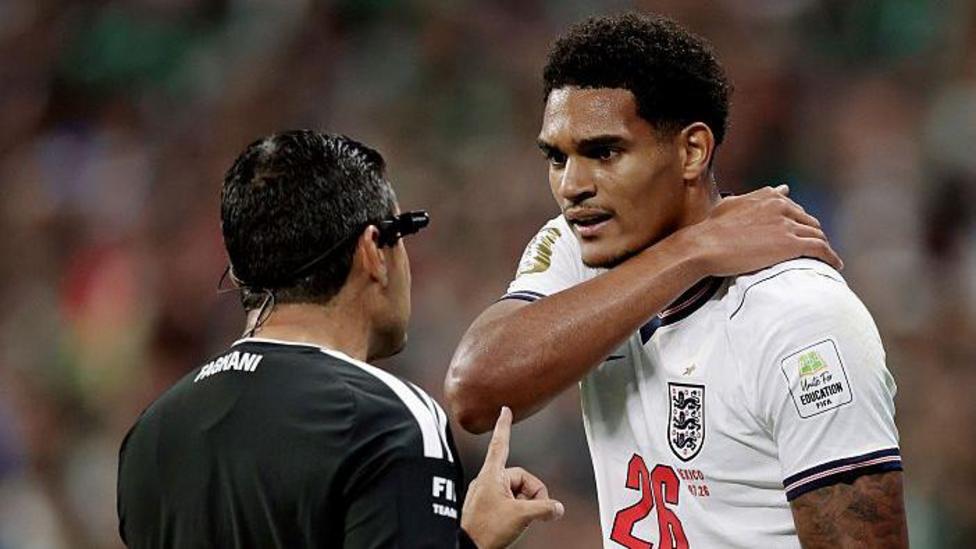
Quansah Red Card Sparks FA Appeal Debate Amid Tactical Fallout
England's defensive structure unravels after Quansah's dismissal, forcing Southgate into emergency tactical recalibration against Mexico.