Messi and Yamal: A Miracle of Destiny Binding Football's Generations
A bath tub photo from 2007 kicks off destiny's most audacious play linking Lionel Messi and Lamine Yamal.
A Picture Worth a Thousand Destinies
The calendar read December 2007. The setting was a modest dressing room inCiutat Esportiva, Barcelona's training base. A twenty-year-old Argentine phenom was asked to pose with a local charity initiative.
He held a baby boy in his arms for a promotional calendar.
Neither the photo's organizers nor the subjects could have understood, in that fleeting moment, that they were capturing the genesis of football's most astonishing narrative. A two-decade gap bridged by silver gelatin and destiny.
The baby was Lamine Yamal. The young man holding him was Lionel Andrés Messi.
Fast forward seventeen years. That baby is now tearing apart European defenses with a swagger that reminds everyone of the man who once cradled him. The bond between them seems written in stars.
The Unseen Threads of La Masia
The story of Messi and Yamal is not merely a tale of two exceptional talents who happened to share an academy. It is the saga of a club's soul, passed down through whispered instructions and polished floorboards.
When Yamal began training full-time at La Masia, he was not just another academy graduate. He was the embodiment of a prophecy the club had been waiting to fulfill since Messi's departure in 2021. Barcelona's financial collapse had stripped them of their idol. The void was existential.
The club needed a miracle.
The club got Lamine.
What makes their connection almost mystical is how their technical blueprints align. Both possess a low center of gravity. Both use their left foot as a wand rather than a limb. Both view pressing traps not as defensive duties but as puzzles to solve with a single, devastating pass.
The Euros: Destiny's Audacious Wink
The footballing world loves a good trope. It relishes the romanticized passing of a torch. But what unfolded at Euro 2024 felt less like a scripting and more like an inevitability.
Yamal's semi-final strike against France was a thunderclap. It announced a new era in global football. The goal, a curling left-footed effort that kissed the post, was Messi-esque in its geometry.
It was also his 17th birthday.
The timing was almost theatrical. Messi had won his first Ballon d'Or at twenty-two. Here was Yamal, barely old enough to drive, already shouldering a nation's hopes. The ages differ wildly, but the trajectory feels maddeningly similar.
Decoding Emulative Greatness
Studying Yamal's game reveals a player who has watched countless hours of Messi footage. The drag-back before the sprint. The pause. The release. These are not instinctive moves. They are curated thieveries from the greatest player of all time.
Yet Yamal is not a tribute act.
He injects a raw athleticism that Messi never fully possessed. His sprint speed ranks among the highest in La Liga. His tactical intelligence is more precocious than Messi's was at the same age, thanks to a decade of tactical education imposed by modern football academies.
Messi was a force of nature. Yamal is a manufactured prod.
That is not a slight. It is a testament to how football has evolved. The Barcelona system, designed by Johan Cruyff and perfected under Pep Guardiola, now produces players who understand structural play from age eight. Yamal benefited from this systematized genius.
The Man Behind the Curtain
To understand Yamal, you must understand his environment. His father, a former amateur player, recognized Lamine's gift early. The Yardè family sacrificed everything. They lived in Rocafonda, a working-class neighborhood in Mataró. This is not the leafy suburbs. It is concrete pitches and street survival.
Messi's origin story is similarly grounded. Rosario, Argentina. A boy太小 small for his age, diagnosed with a growth hormone deficiency. His family's sacrifice to get him to Barcelona is etched into footballing folklore.
Both players carry the grit of their beginnings. Watch Yamal after a tackle. He doesn't dive. He gets up. He demands the ball. The fire in his eyes is not the petulance of a spoiled talent. It is the hunger of someone who knows what it took to get here.
Global Game America's Melting Pot
Messi's sojourn in Miami has not dimmed his relevance. If anything, it has amplified it. He is no longer just a Barcelona icon. He is a global ambassador. His presence in MLS has helped the league gain unprecedented viewership.
Yamal's ascent coincides with this Messi-in-exile era. The Argentine is not directly mentoring his successor. They are separated by an ocean and a monumental time zone difference. Yet, their narratives remain inextricably linked.
When Messi posts a congratulatory message after a Yamal masterclass, it is not just a legend toasting a youngster. It is a tacit benediction. A recognition that the lineage is secure.
Behind the Deal: The Commercialization of a Miracle
The Messi-Yamal dynamic is not just sport. It is commerce. And the commercial implications of their ascent are staggering.
The Endorsement Ecosystem
- Messi's Brand Value:Over $600 million in career earnings, according toForbes. His lifetime deal with Adidas is worth over $25 million annually.
- Yamal's Valuation: Barcelona inserted a €1 billion release clause in his contract. His market value, per Transfermarkt, exceeds €120 million at just seventeen.
- Shared Sponsors: Both are Nike athletes. When Yamal switches to the new Mercurial boots, sales spike in Spain. The Messi effect still drives Latin American markets.
Barcelona's ability to monetize this narrative is crucial. The club's debt remains a staggering drag on operations. But Yamal's emergence has already restored sponsor confidence. They are not just selling a player. They are selling a story. And stories sell.
The Psychological Weight of a Prophecy
Being compared to Messi is both a blessing and a curse. For every Yamal, there is a Bojan Krkić. A prodigy who was burdened with the 'next Messi' label and crumbled under its weight.
Yamal seems genetically immune to such pressure. His interviews reveal a startling maturity. He speaks of 'enjoying the game' and 'helping the team'. He rarely mentions accolades. This emotional detachment from the hype is perhaps his greatest asset.
His coach, Hansi Flick, has been meticulous in managing his minutes. He is not thrown into every battle. He is preserved. The German understanding of load management is keeping Yamal's body and mind fresh.
The Tactical Evolution: From dependent to Dominant
Under Xavi Hernández, Yamal was a luxury. A precocious talent introduced to salvage games. Under Flick, he has become a system cornerstone. The German's verticality suits Yamal's pace. The trust placed in him is total.
Statistically, the leap is glaring. Last season, Yamal averaged 1.4 dribbles per 90 in the final third. This campaign, that number has bulged to 3.1. He is not just receiving the ball. He is demanding it. He has become the focal point of Barcelona's attacking phase.
A Legacy Forged in Parallel
The Messi-Yamal story is still being written.
When Messi eventually retires, the footballing world will mourn. But it will not grieve for long. The game is cruel like that. It moves on. Jerseys are retired. Numbers are handed down. The cosmos abhors a vacuum.
In a small corner of Catalonia, a young man is already wearing Messi's number 10 for Spain. He is not the second coming. He is the first Lamine Yamal. And that might just be enough to keep the miracle alive.
Destiny works in mysterious ways. Sometimes, it just needs a baby and a young star, a fleeting moment in a dressing room, and seventeen years of patience.
The torch has been passed. Not in a grand stadium ceremony, but in the quiet, unscripted way the beautiful game always intended.
Editorial Integrity
This is an original SportPulse article written by our editorial team. All content is independently researched, written, and reviewed by our writers and editors before publication. We do not publish copied, aggregated, or syndicated content.
SportPulse is committed to original sports journalism. Read our editorial policy or contact us with any questions.
More Like This
All football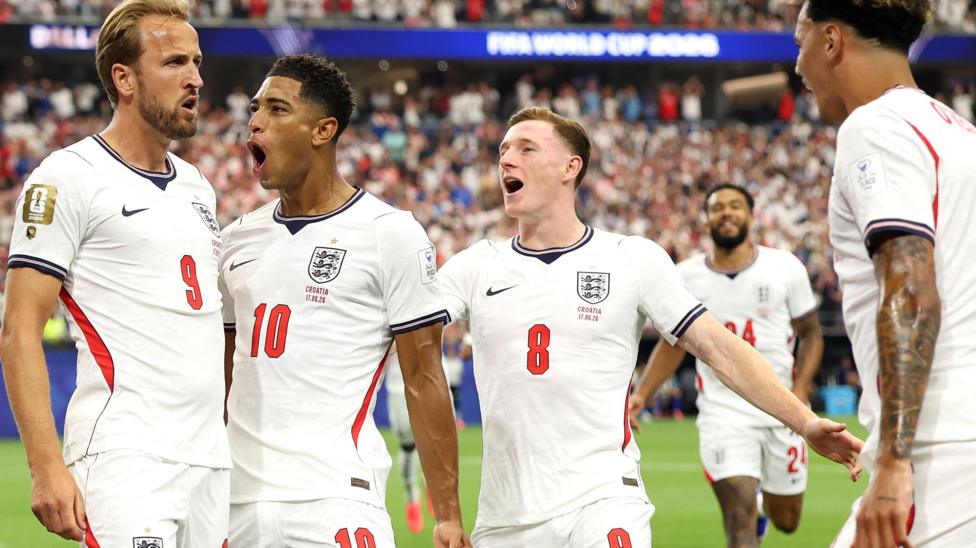
Who Carried England's Attacking Firepower Against Croatia?
England's frontline faced a familiar Croatian test — here's who stood out and why it matters going forward.
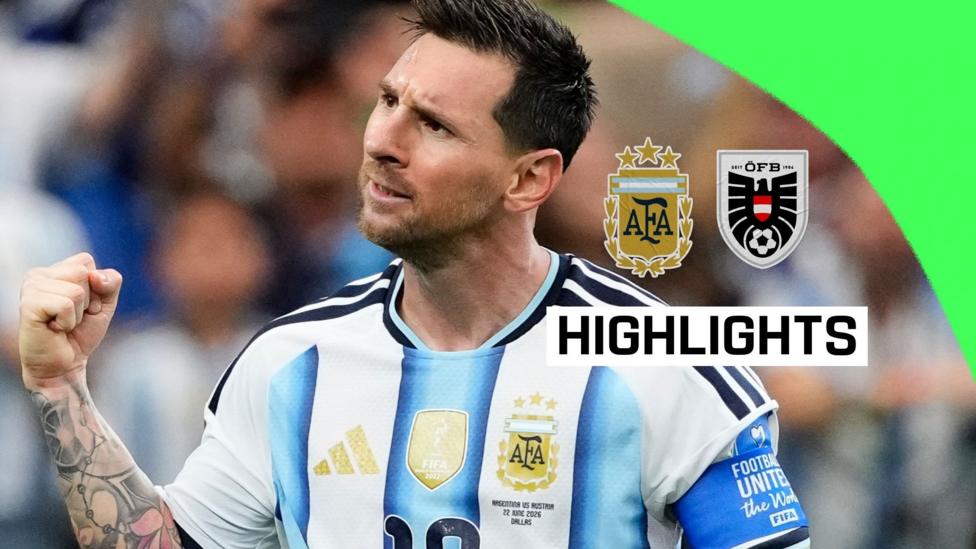
Messi Shatters World Cup Scoring Record With Brace Against Austria
Lionel Messi rewrites World Cup history with a two-goal salvo that sends holders Argentina into the last 32.
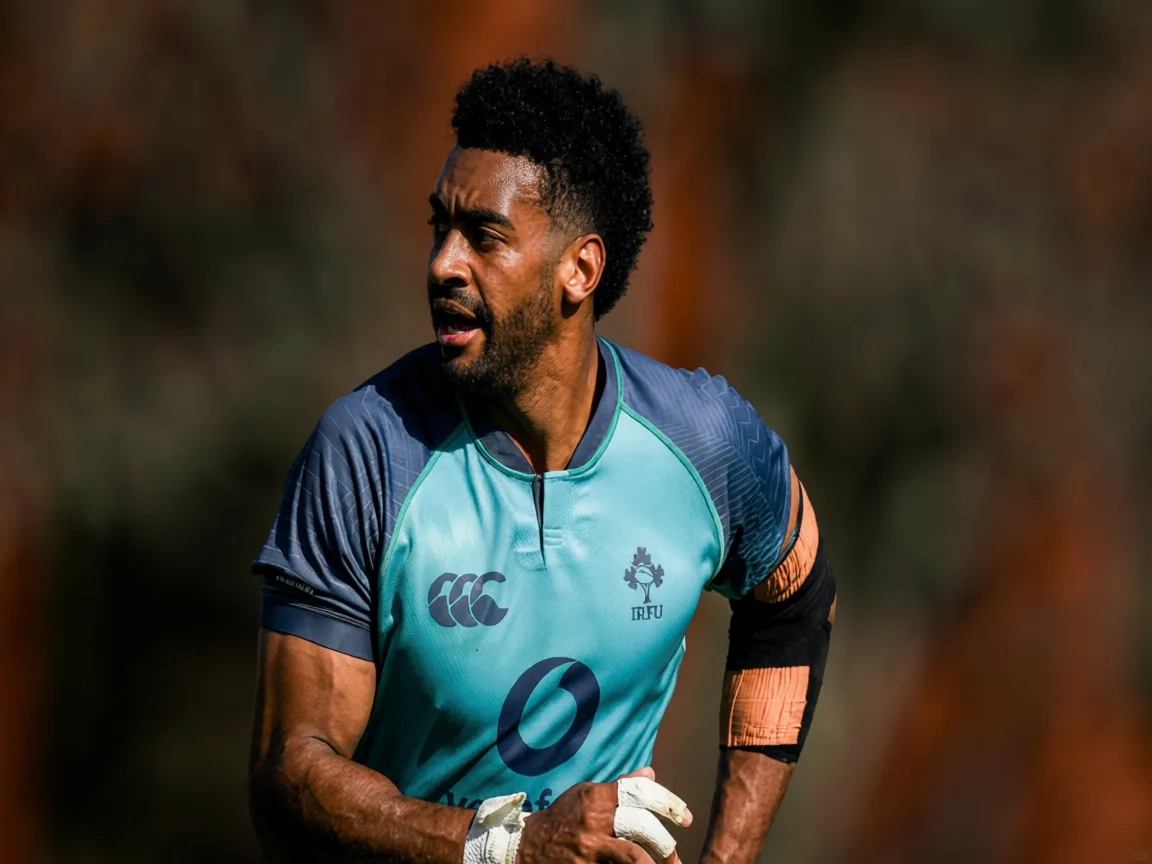
Baloucoune Recall Signals Ireland Intent Against All Blacks
Robert Baloucoune's return for Ireland's Nations Championship clash with New Zealand in Auckland signals a statement of attacking intent.