The Midsummer Collision: When Every Sport Demands Your Attention at Once
Wimbledon, World Cup football, and peak cricket season collide in the most demanding week on the sporting calendar.
There Is No Offseason for the Devoted
Every year it arrives like a tidal wave, and every year it catches even the most seasoned sports follower slightly breathless. That seven-day stretch in midsummer where grass-court tennis, international football, and cricket all reach critical mass simultaneously is not merely a busy period on the calendar. It is a full-scale assault on any pretence of a normal sleeping pattern.
If you managed to follow every storyline across Wimbledon, the World Cup, and international cricket this past week without sacrificing either your social life or your REM cycles, congratulations. You are either a professional sports journalist or medically in need of intervention.
This is not hyperbole. The modern sporting calendar has become a machine that never stops feeding, and the middle weeks of summer represent its most unforgiving stretch. Three sports, three different continents' worth of time zones, all demanding primetime attention.
The Grass-Court Gauntlet
Wimbledon remains the crown jewel of the tennis calendar, and for good reason. The Championships carry a weight that no other Grand Slam quite replicates. The white clothing, the pristine lawns, the Royal Box, the strawberries, the queue that stretches into the Surrey countryside. It is sport as theatre, and the drama rarely disappoints.
What makes Wimbledon uniquely demanding in a crowded sporting week is its schedule structure. Matches on the show courts run deep into the London evening, often overlapping with evening kick-offs in World Cup fixtures. The dedicated fan faces a binary choice: track the fifth set on Centre Court or flip to the football. Trying to do both is an exercise in controlled chaos.
The early rounds produce the kind of narratives that tournament tennis thrives on. Qualifiers pushing seeds to five sets. Veterans rolling back the years on the surface they love. Young talents announcing themselves on the sport's grandest stage. Every match carries the potential for a story that transcends the result, and every result reshapes the draw in real time.
The Bottom Line: Wimbledon's gravitational pull is strongest in the second week, but even the opening rounds generate enough drama to justify round-the-clock coverage. Missing a single day's play means missing potential history.
World Cup Fever and the Global Stage
If Wimbledon is theatre, the World Cup is war. International football's showpiece event compresses decades of national sporting identity into 90-minute increments. The stakes are existential. There is no second leg, no league cushion, no luxury of recovery. Win or go home.
The group stages of a World Cup produce a specific kind of tension that knockout rounds cannot replicate. The mathematics of qualification, the permutations, the late goals that flip an entire group on its head. A single result in one match can render another completely meaningless or transform it into a de facto final.
For football fans, the World Cup represents the purest form of the sport. No club allegiances, no transfer sagas, no financial fair play debates. Just nations, flags, and the raw emotion of representing your country on the biggest stage imaginable. The tournament strips football back to its essentials and reminds everyone why they fell in love with the game.
The scheduling collision with Wimbledon creates a logistical nightmare for broadcasters and an existential crisis for fans. The overlap is not accidental. Both events occupy the same window because that is when the sporting world collectively decides that sleep is optional.
Verdict: The World Cup's knockout-round electricity is unmatched in sport, but even its group-stage complexity demands full engagement. Casual viewers who dip in and out risk missing the tournament-defining moments that happen when nobody expects them.
Cricket's Quiet Dominance
While tennis and football hog the spotlight, cricket operates on a different frequency entirely. Test matches run for five days. White-ball series produce results in a single afternoon. T20 franchise leagues churn through matches at industrial pace. The sport's sheer variety means there is always something happening somewhere.
International cricket in the summer months carries a particular rhythm. Test cricket in England, with its long shadows and cathedral grounds, remains one of sport's great experiences. The pace is meditative compared to the frenzy of Wimbledon or the World Cup, but that is precisely its charm. A day at Lord's or The Oval is not about instant gratification. It is about patience, craft, and the slow accumulation of tension that makes a dramatic final session all the more devastating.
T20 cricket, by contrast, has borrowed liberally from the entertainment playbook. Franchise leagues around the world now fill the calendar with high-octane short-format action that appeals to a broader, younger audience. The Indian Premier League set the template. The Hundred, the Big Bash, and various other competitions have expanded it globally.
The challenge for cricket in a week like this is visibility. Football and tennis dominate the headlines, the social media feeds, and the water-cooler conversations. Cricket's devoted following is massive but more geographically concentrated. In the Indian subcontinent, cricket reigns supreme regardless of what else is happening. In England, Australia, and the Caribbean, it holds its own. Elsewhere, it battles for oxygen.
The Bottom Line: Cricket's layered format ecosystem ensures it is always in season, but its cultural footprint varies wildly by region. In a stacked sporting week, the sport's greatest strength, its variety, can also dilute its ability to command unified global attention.
The Modern Fan's Dilemma
The convergence of these three marquee events exposes a fundamental truth about contemporary sports consumption: there is simply too much content and not enough hours.
Second-screen culture has partially solved this problem. Fans watch a World Cup match on television while tracking Wimbledon scores on their phones and checking cricket commentary in a browser tab. Multitasking has become the default mode of sports fandom, and platforms have adapted accordingly.
But there is a cost to this approach. Depth of engagement suffers. The nuances of a tactical battle in football, the biomechanical adjustments a tennis player makes between sets, the subtle field placements in a cricket Test match. These details demand single-screen focus, and they are increasingly casualties of the attention economy.
The sports industry has responded with condensed highlights, instant replays, and real-time statistical dashboards. These tools are genuinely useful, but they are also a concession that most fans cannot watch everything live. The modern sports experience is increasingly a curated one, filtered through algorithms and editorial choices that determine what you see and when you see it.
When the Calendar Collides, Who Wins?
Broadcasting rights tell the financial story. The World Cup commands the largest global television audience of any single sporting event. Wimbledon pulls massive numbers in the UK, Europe, and increasingly in North America and Asia. Cricket's reach is enormous in South Asia and significant in the traditional strongholds.
When all three overlap, advertisers face a genuine dilemma. Where do you place your spend? The answer, predictably, is everywhere, which drives up costs and fragments audiences. Broadcasters counter by offering multi-platform coverage, dedicated digital streams, and subscription bundles that promise comprehensive access.
For the neutral sports fan, this week represents a buffet. For the dedicated follower of one sport, it represents a series of impossible choices. And for the sports journalist, it represents the most demanding stretch of the professional calendar. Every event produces stories worth telling. Every story demands context, analysis, and perspective. The output never matches the input, and something always gets shortchanged.
Verdict: Nobody wins the battle for attention outright. The World Cup draws the largest crowd, Wimbledon provides the most elegant spectacle, and cricket offers the deepest strategic complexity. The real winner is the fan willing to accept that perfection is impossible and embrace the glorious chaos of trying anyway.
What This Week Tells Us About Sport's Future
The midsummer collision is not going away. If anything, it will intensify. The expansion of World Cup formats, the proliferation of cricket leagues, and the relentless growth of the tennis calendar all point toward more overlap, not less.
Sports governing bodies face a collective action problem. Each individual sport has rational incentives to expand its footprint, but the aggregate effect is oversaturation. The fan's time is finite. The wallet is not bottomless. At some point, the market will correct, and that correction will favour the sports that have built the deepest emotional connections with their audiences.
Wimbledon has tradition. The World Cup has national pride. Cricket has a devoted global community that treats the sport almost as a religion. These are not easily replicated or displaced.
The week ahead will produce champions, heartbreaks, and moments that live forever in highlight reels. It will also produce exhaustion, remote-control fatigue, and the nagging feeling that you missed something important while watching something else.
That is the deal. That has always been the deal. And for those of us who cannot look away, it is the best deal going.
Editorial Integrity
This is an original SportPulse article written by our editorial team. All content is independently researched, written, and reviewed by our writers and editors before publication. We do not publish copied, aggregated, or syndicated content.
SportPulse is committed to original sports journalism. Read our editorial policy or contact us with any questions.
More Like This
All long-reads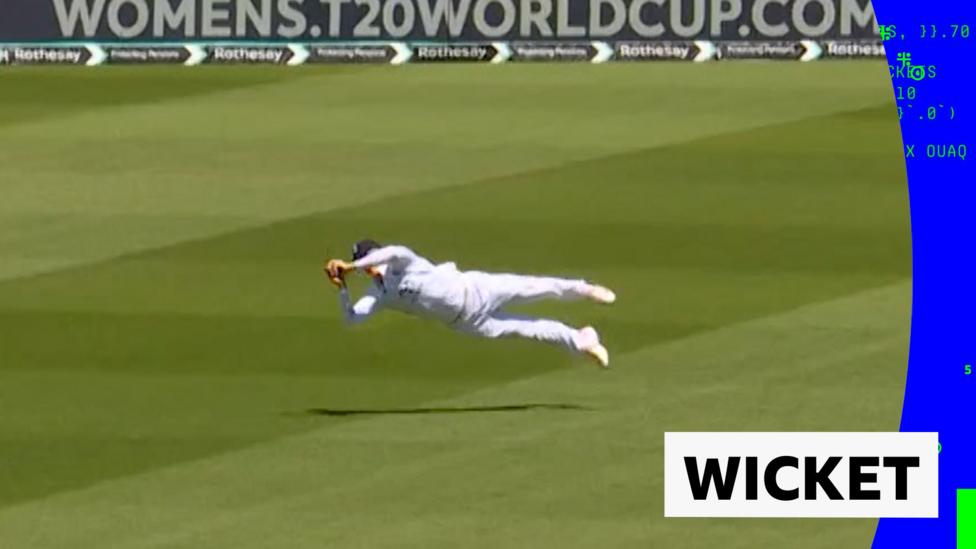
Bethell's Screamer Silences Latham as Archer Strikes Early at The Oval
Jacob Bethell's gravity-defying diving catch removes Tom Latham for 27, setting the tone for England's attack on day one.
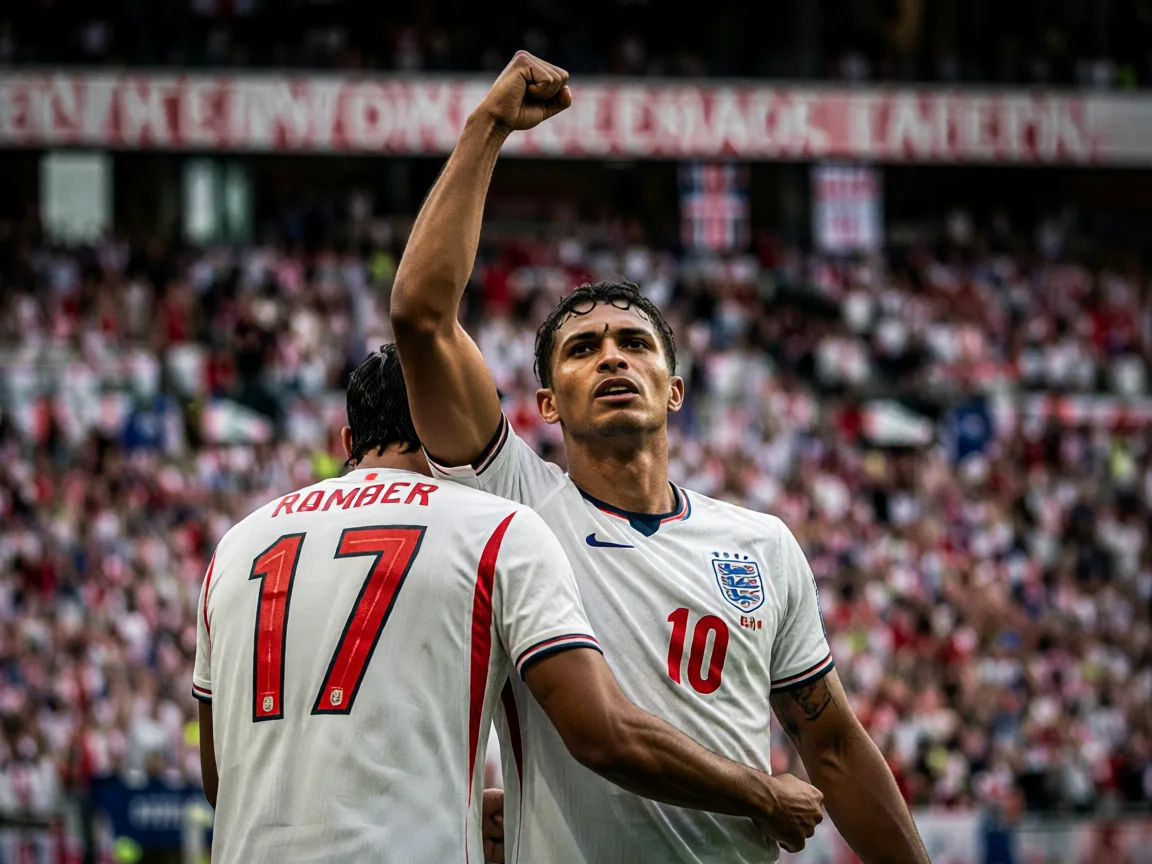
Bellingham as England's Gravitational Center
Jude Bellingham has transcended relentless media hostility to become England's emotional, symbolic, and tactical focal point.
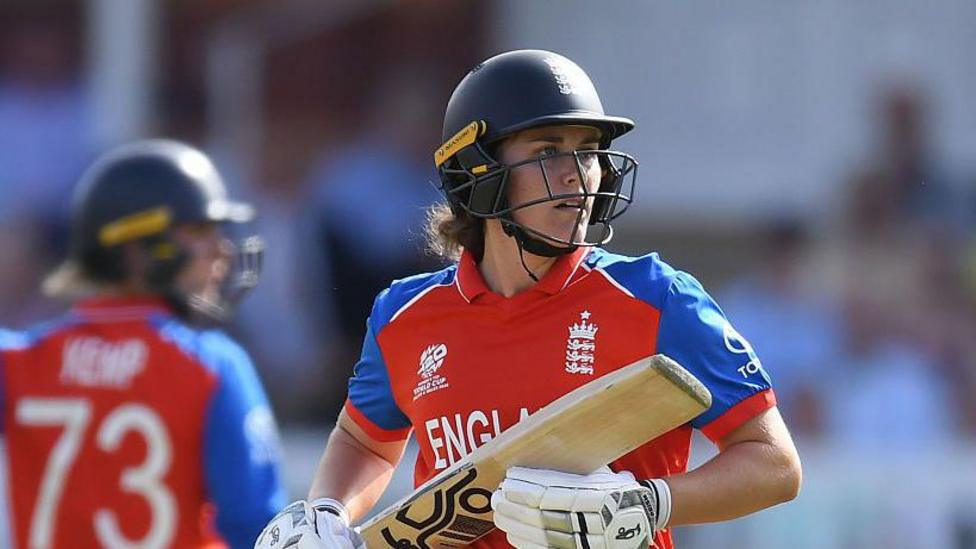
Sciver-Brunt's Early Hundred Absence Is a Symptom, Not a Sideshow
England captain sitting out Trent Rockets' first two Hundred matches highlights the toll of year-round women's cricket scheduling.