Sciver-Brunt's Early Hundred Absence Is a Symptom, Not a Sideshow
England captain sitting out Trent Rockets' first two Hundred matches highlights the toll of year-round women's cricket scheduling.
A star sitting out before the tournament even starts should alarm administrators
Nat Sciver-Brunt, the England women's captain, will not feature in Trent Rockets' opening two matches of The Hundred. The reason is workload management, the phrase that has come to define modern cricket, now echoing through a competition barely into its first week.
For the Rockets, this is a significant blow. Sciver-Brunt is one of the most complete all-rounders in the women's game, capable of reshaping a match with bat or ball. Her absence strips the squad of its highest-profile performer before a ball has been bowled.
But the story extends well beyond Trent Bridge. When the captain of England needs rest at the start of a franchise tournament, it raises questions about the structure that forced the decision.
Five years of expansion with no rest windows
Women's international cricket has expanded rapidly over the past five years. England play bilateral series across all three formats, ICC tournaments arrive with regularity, and franchise leagues (The Hundred, the WPL, the WBBL, and others) fill whatever gaps remain. For a player like Sciver-Brunt, who features in all formats for her country and in multiple domestic competitions, the schedule is relentless.
The Hundred occupies a specific tension point. It runs during the English summer, sandwiched between international commitments. England's centrally contracted players are expected to participate, but their primary obligation remains with the national team. When those two demands collide, something has to give. In this case, it is the first two fixtures of a 100-ball competition.
The ECB has spoken publicly about prioritising player welfare. Rest and rotation policies exist on paper. But the fact that a flagship tournament, one the ECB itself created and markets aggressively, loses its marquee name before it begins suggests the policy is triage rather than prevention.
No single replacement covers all three of Sciver-Brunt's roles
Her value to any white-ball side is difficult to overstate. She bats in the top order, bowls seam-up at genuine pace, and fields athletically in the ring or on the boundary. In a compressed format like The Hundred, where every ball carries amplified significance, her versatility gives the Rockets a structural edge across all three disciplines.
Without her, the batting order needs a replacement anchor, someone who can absorb pressure in the middle overs or accelerate as the innings demands. The bowling attack loses a reliable option who can operate in the powerplay or at the death. No single player in the squad replicates what she provides.
The two-match window means she could return for the bulk of the group stage. But those opening fixtures set tone and table position in a short competition. Dropping both puts immediate pressure on the remaining schedule.
Sciver-Brunt joins a lengthening list of managed absences
She is not the first high-profile women's player to manage availability around franchise commitments, and she will not be the last. Australian players have faced similar decisions around WBBL and international tours. Indian stars have juggled WPL duties with bilateral series. As the women's game grows commercially, the demands on its elite players grow faster than the support structures around them.
Men's cricket went through this transition over a longer period, with the ICC eventually mandating rest windows and workload monitoring becoming standard practice in most national setups. Women's cricket is compressing that evolution into a shorter timeframe, with fewer resources and less institutional infrastructure to absorb the strain.
The ECB scheduled The Hundred during a period that overlaps with international preparation or recovery windows. The tournament was designed to grow the women's game, to put its stars in front of larger audiences. Losing those stars to fatigue management before the competition has even started works against that purpose.
Opening fixtures the ECB cannot afford to devalue
Trent Rockets will field a competitive squad regardless. The Hundred's draft system and squad depth mean no single absence is fatal. But fans who bought tickets to see Sciver-Brunt in the opening matches will not see her. Broadcasters who promoted her presence will have to adjust their messaging.
For the ECB, the decision reinforces a question they have yet to answer convincingly: can you simultaneously expand the women's calendar and protect the players who make it worth watching? Sciver-Brunt sitting out the first two matches of a tournament she is contracted to play suggests the answer, for now, is no.
Her return, assuming workload management achieves its intended effect, will be welcome. But the same tension will surface again, with another player, in another tournament. The calendar has not been redesigned to match the demands placed on its busiest players.
Editorial Integrity
This is an original SportPulse article written by our editorial team. All content is independently researched, written, and reviewed by our writers and editors before publication. We do not publish copied, aggregated, or syndicated content.
SportPulse is committed to original sports journalism. Read our editorial policy or contact us with any questions.
More Like This
All long-reads
Korda Six Back as Yoon Seizes Control at Women's PGA
Nelly Korda trails Ina Yoon by six shots at the Women's PGA Championship midway point, putting her major hat-trick bid in serious jeopardy.
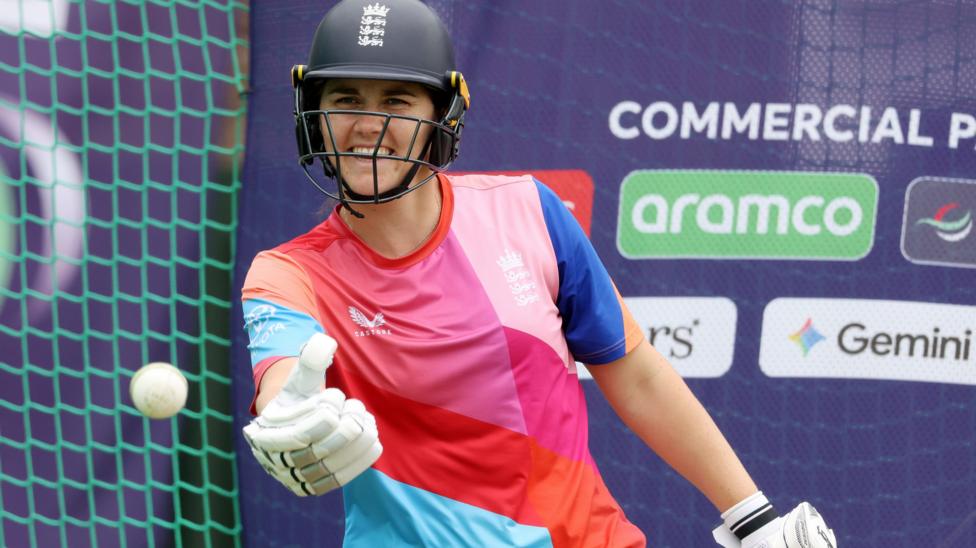
Seven Years of Hurt: England's Women Chase T20 World Cup Redemption
After seven years of near-misses and heartbreak, England's women stand on the edge of T20 World Cup glory again. This is why it matters.
Beauty and Brutality: Six Wales v Fiji Clashes That Defined Rugby
Wales and Fiji renew their rivalry in Cardiff, revisiting six iconic clashes that delivered everything from humiliation to heartbreak and historic highs.