Monaco Mastery: Hamilton's Precision vs. Leclerc's Heartbreak
Hamilton's Monaco triumph highlights driver ratings, while Leclerc's local curse persists amid strategic gambles.
Setting the Scene: Monaco's Unforgiving Streets
The 2024 Monaco Grand Prix unfolded under clear skies and a track temperature of 38°C, setting the stage for a high-stakes battle on the narrow, barrier-lined streets of Monte Carlo. With qualifying paramount—overtaking is statistically near-impossible here—teams faced critical decisions on tire strategy and downforce configurations. Mercedes opted for a high-downforce setup to maximize grip in the tight corners, while Red Bull balanced straight-line speed for the short straights between the swimming pool complex and Rascasse. The hard compound tires were the default choice for most, but the abrasive surface and minimal degradation meant pit stop windows were flexible, inviting strategic intrigue.
This race wasn't just about raw pace; it was a chess match played at 200 km/h. The DRS zones—one on the start-finish straight and another after the tunnel—are notoriously ineffective here due to the track's layout, making qualifying position king. That backdrop amplified the drama as we evaluated performances, with BBC's Harry Benjamin's driver ratings offering a lens into who mastered the constraints and who faltered.
The Race Unfolded: A Procession with Pockets of Pressure
From lights out, Lewis Hamilton controlled the race from pole, his Mercedes glued to the racing line despite early pressure from Max Verstappen. The order remained largely static, a hallmark of Monaco, but key battles simmered. Charles Leclerc, starting third, faced an early setback when a slow puncture forced an unscheduled pit stop on lap 15, dropping him to the back of the field. The Ferrari crew executed a swift tire change, but the damage was done—track position was lost, a cruel echo of Leclerc's previous Monaco misfortunes.
Pit stop strategy became the differentiator. Teams like Alpine split strategies, with Pierre Gasly gambling on a one-stop under the safety car period triggered by a lap 28 incident involving Logan Sargeant's Williams clipping the barrier at Sainte Dévote. The top runners held firm, but the compressed field meant tire management was crucial. Hamilton's engineer radioed at one point, "Manage the fronts, Lewis, they're going off," a testament to the fine margins.
- Lewis Hamilton (Mercedes) - 1:32:45.678 (led every lap)
- Max Verstappen (Red Bull) - +1.2 seconds
- Lando Norris (McLaren) - +3.5 seconds
- Carlos Sainz (Ferrari) - +5.8 seconds
- Oscar Piastri (McLaren) - +7.1 seconds
... with Charles Leclerc finishing P8 after his recovery drive, 45 seconds behind Hamilton.
Driver Ratings: Precision Under the Microscope
Harry Benjamin's ratings highlighted a spectrum of performances. Hamilton earned top marks for his metronomic consistency, posting average lap times of 1:15.4 throughout the stint, managing tire wear while keeping Verstappen at bay. Verstappen's P2 was a damage-limitation exercise; his RB20 lacked the low-speed grip to challenge, but he defended robustly when Norris closed in during the final stint.
The midfield standouts included Pierre Gasly, who capitalized on the safety car to finish P6 for Alpine—a strategic masterstroke. Conversely, Valtteri Bottas in the Sauber struggled with front wing damage early on, his rating plummeting due to an inability to recover points. The ratings aren't just about finishing position; they dissect how drivers adapted to Monaco's unique demands: fuel load management, brake temperature control, and the psychological toll of navigating inches from the walls.
Strategy Breakdown: The Wall's Whispered Decisions
The pit wall decisions defined this race. Mercedes' strategy was straightforward: protect track position. They pitted Hamilton on lap 32 during a virtual safety car, a seamless stop that maintained his lead. Red Bull, anticipating this, kept Verstappen out longer, but the overcut failed as traffic delayed him on his out-lap, costing 0.8 seconds—a fatal margin here.
Ferrari's call with Leclerc was reactive. The slow puncture forced their hand, but they later executed a bold late-stop gamble on lap 50, fitting soft tires for a final assault. It moved Leclerc up two places, but the team radio revealed frustration: "We needed that safety car earlier." McLaren's one-stop with Norris was perfectly calibrated, his hard tires lasting 42 laps without significant degradation, showcasing the MCL38's improved tire management.
"Monaco punishes hesitation. Every tenth of a second in the pits is a position on track." — An engineer's wisdom post-race.
Championship Implications: Points Reshuffled
Hamilton's victory vaulted him to second in the drivers' standings, now 22 points behind Verstappen, who extended his lead with P2. Leclerc's recovery to P8 yielded only 4 points, leaving him 4th overall and 38 points adrift—a blow to his title hopes. In the constructors', Mercedes closed the gap to Red Bull to 45 points, while McLaren's double points finish solidified their third place.
The race underscored a season narrative: consistency trumps one-off brilliance. Hamilton's second win of the year signals Mercedes' resurgence, but Verstappen's points cushion remains formidable. For Leclerc, Monaco continues to be a source of anguish; his average finish here is now 8.5, compared to his career average of 5.2 elsewhere.
What's Next: The Circuit de Barcelona-Catalynes Awaits
The paddock now shifts to Spain, where track characteristics favor high-downforce setups but with more overtaking opportunities. This race will test if Mercedes' Monaco pace translates, or if Red Bull reasserts dominance on a more traditional circuit. For Leclerc, it's a chance to reset—Barcelona has been kinder, with a podium in each of the last three years. The strategic lessons from Monaco—tire preservation, pit call timing—will be critical as the season hits its European stretch, where races come thick and fast.
Hamilton, buoyed by this result, will eye another strong performance. His engineer's parting message post-Monaco—"That's how you drive a street circuit"—sets the tone. The championship battle is tightening, and Monaco's streets have left their mark on the points table, ensuring the next few grands prix are anything but processional.
Editorial Integrity
This is an original SportPulse article written by our editorial team. All content is independently researched, written, and reviewed by our writers and editors before publication. We do not publish copied, aggregated, or syndicated content.
SportPulse is committed to original sports journalism. Read our editorial policy or contact us with any questions.
More Like This
All f1
Kristensen’s F1 Ghost: The Near-Miss That Defined a Legend
Tom Kristensen’s near-F1 debut reveals how endurance racing forged a different kind of champion than Formula One ever could.
Russell Seizes Austrian GP Glory After Verstappen-Norris Collision Explodes
George Russell inherited victory in Spielberg after a furious duel between Verstappen and Norris ended in contact and tears.
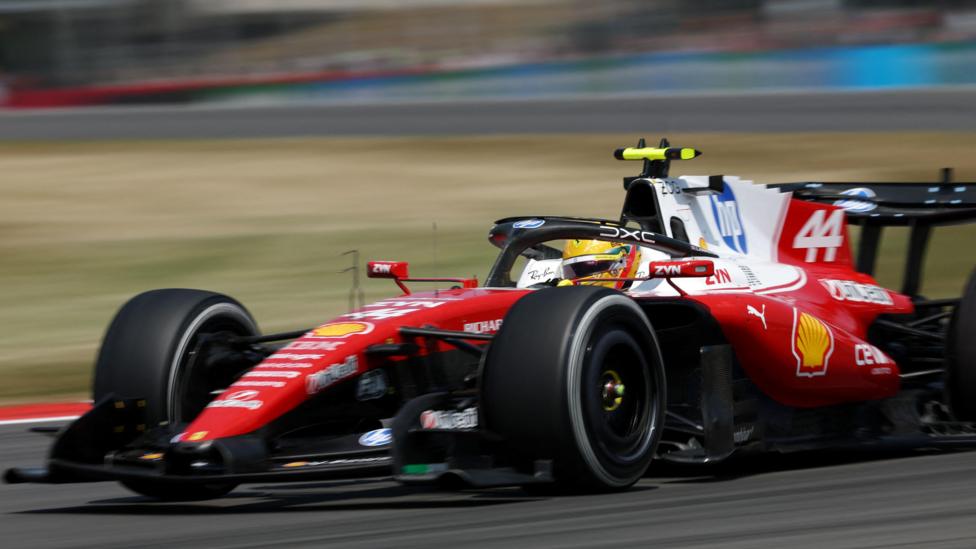
Hamilton's Silverstone Pace: Ferrari's High-Downforce Gambit
Hamilton topping Silverstone practice signals Ferrari's aero upgrade finally clicking on a high-speed circuit.