From Old Trafford Boardrooms to Rugby League's Hot Seat
Ex-Manchester United executive Ian Nolan takes the RFL chief executive role, banking on Premier League commercial DNA to revive rugby league.
A Appointment That Defies Convention
Ian Nolan, a former Manchester United executive, has been appointed as the Rugby Football League's new chief executive. The announcement landed like a Thunderstruck tackle in the middle of a calm Tuesday afternoon, catching both football and rugby league circles off guard. It is a move that immediately signals the RFL's appetite for radical commercial change, not incremental tinkering.
Nolan's background at Old Trafford places him firmly in the orbit of modern football's relentless commercial machinery. United, for all their on-field turbulence since Sir Alex Ferguson's retirement in 2013, remain a financial juggernaut with annual revenues consistently breaching the £600 million mark. That fiscal environment, where every sponsorship handle is pulled and every global market is courted, forms the professional DNA Nolan now brings to rugby league's headquarters.
The RFL's decision to look beyond its own sport is telling. Rugby league, a stalwart of Northern English sporting culture, has faced an identity and financial squeeze for over a decade. Declining attendance figures, fragments broadcasting revenue, and fierce competition from both rugby union and football for grassroots participation have chipped away at the sport's foundations. The RFL needed a disruptor, not a caretaker with a rich history of the game.
The Premier League Blueprint
Nolan's tenure at Manchester United would have immersed him in the gold standard of sports commercial operations. The club's global partnership portfolio spans continents, ranging from sleeve sponsors to regional tire deals in markets as far-flung as Southeast Asia and the Middle East. That is the scale of thinking the RFL now hopes to import.
The Premier League machine runs on monolithic broadcast deals. The current domestic rights cycle alone is valued at approximately £5 billion over three years. Nolan understands, from the inside, how a leagueruta packages, sells, and markets its product to broadcasters who treat sport as premium live inventory. Rugby league's current broadcast arrangement pales in comparison, and renegotiating that gap will be Nolan's heaviest and most consequential lift.
Commercial revenue at Old Trafford is engineered through dedicated divisions: partnerships, digital, retail, and hospitality. Each revenue stream is treated as a standalone business unit with its own KPIs and growth targets. The RFL, in contrast, has historically operated with a more generalized commercial approach. Nolan's appointment suggests a fundamental restructuring is coming, one that treats sponsorship not as add-on income but as the core business.
The Scale of the Challenge
Nolan inherits a sport at a commercial and cultural crossroads. The Super League, the sport's premier domestic competition, has seen its average attendance hover stubbornly around the 8,500-9,500 range in recent seasons. While the product on the pitch remains as physically fierce as any in world sport, translating that gladiatorial intensity into broader commercial appeal has proven stubbornly difficult.
Ownership instability has further complicated the landscape. The recent £20 million takeover of Leeds Rhinos by the ownership consortium, and prior instability at clubs like Toronto Wolfpack casting long shadows over ambitious expansion projects, underscore the financial fragility within the sport. Nolan must convince current owners that his Premier League-honed strategies can be adapted, not simply transferred, to a sport with fundamentally different economics and reach.
The comparison between football's global reach and rugby league's deeply regional heartland is stark. The 12 professional clubs competing in the Super League generate a combined turnover that individual Premier League clubs eclipse single-handedly. Nolan cannot simply copy and paste Old Trafford's commercial playbook until the sport's underlying financial architecture is overhauled and modernized.
The Dressing Room Atmosphere
Inside the corridors of the RFL's headquarters at Red Hall in Leeds, the appointment has been met with a mix of cautious optimism and underlying apprehension. Executives who have lived and breathed rugby league for decades now wait to see if an outsider truly understands the emotional texture of the sport, its working-class roots, and its passionate tribalism.
The boardroom, where chairmen periodically gather around a long oak table to debate the sport's direction, now faces a new voice. Nolan, a manmore accustomed to the polished corporate suites of Old Trafford's Carrington training complex, arrives without the inherited baggage of decades-long rugby league internal politics. That outsider status is either his greatest asset or his most glaring vulnerability. One club chairman, speaking informally, described the mood as "hopeful but nervous," eager for fresh commercial momentum but wary of strategies that might feel imported from a world they do not fully recognize.
What the Shutters Open On
The early weeks of Nolan's tenure will be scrutinized with forensic intensity. Stakeholders across the sport, from club owners to grassroots volunteers, will look for early signals of strategic direction. Will Nolan prioritize domestic broadcast renegotiation, or will he chase international expansion into untapped markets where rugby league has no historical foothold? Both paths carry significant risk and demand distinct operational blueprints.
The Super League is locked into broadcasting contracts that effectively determine the financial ceiling for every club in the competition. If Nolan can leverage his football connections and knowledge of media-rights packaging to extract greater value from future deals, he will instantly justify the RFL's bold appointment. Broadcasters, however, are not moved by CVs; they demand numbers, audience growth, and digital engagement metrics that rugby league has yet to fully optimize.
The stadium of the Task
Nolan's appointment is a bet on commercial sophistication over insider institutional knowledge. The RFL has effectively admitted, by reaching into football's executive pool, that its internal solutions had been exhausted. The sport's future sustainability depends on broadening its revenue base beyond matchday income, broadcasting, and traditional sponsors.
Football monetizes a global audience of billions. Rugby league speaks to a passionate but geographically concentrated community. Bridging that gap requires not just commercial strategy but also cultural translation. Nolan must learn the language of rugby league quickly and respect its heritage, even as he attempts to drag its business model into a more modervice and lucrative future.
What It Means
Nolan's appointment represents a calculated gamble that external commercial DNA can revive a sport that has struggled to monetize its undeniable on-field product. If he succeeds, the RFL will have pulled off one of the most quietly transformative executive moves in British sport. If he fails, the sport will face hard questions about its insularity and viability in a rapidly modernizing sports landscape.
For rugby league, the stakes could not be higher. The financial gap between the sport and its competitors widens annually, and patience is thin. Nolan arrives with a reputation built inside the biggest commercial machine in English football. Translating that reputation into tangible revenue growth, sustainable club models, and a broader audience is now his exclusive mandate.
The eyes of two sports now watch. Football observers are curious whether the Old Trafford blueprint is portable. Rugby league loyalists are desperate for commercial salvation while fearing the dilution of their identity. Nolan's first major strategic move, whether a broadcast deal, a commercial partnership, or a structural reform, will set the tone for his entire tenure. The cross-sport experiment is officially on.
Editorial Integrity
This is an original SportPulse article written by our editorial team. All content is independently researched, written, and reviewed by our writers and editors before publication. We do not publish copied, aggregated, or syndicated content.
SportPulse is committed to original sports journalism. Read our editorial policy or contact us with any questions.
More Like This
All long-reads
From Hating Every Minute to World No. 1: Linsey Smith's Unlikely Rise
England's Linsey Smith despised international cricket at first. Now she sits atop the T20 bowling rankings.

The Green Tide: How Brittany's Beaches Became Death Traps
A bereaved family's battle to prove toxic seaweed killed their loved ones exposes a deadly environmental cover-up.
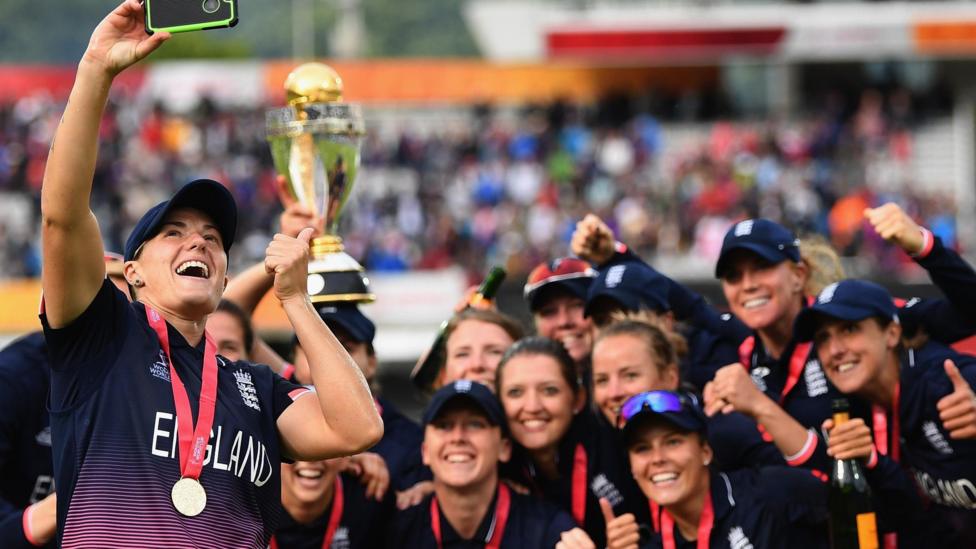
The Lord's Masterpiece: How England's 2017 World Cup Win Changed Everything
Seven years on, England's 2017 World Cup triumph at Lord's remains the watershed moment that transformed women's cricket from niche appeal to national obsession.