Nordic Combined Axed From 2030 Winter Olympics: A Century-Old Sport Cut Down
Nordic Combined will be absent from the 2030 Winter Olympics for the first time in history, killed by apathy and inaction.
The 2030 Winter Olympics will make history for all the wrong reasons. The Games will become the first edition ever to proceed without Nordic Combined on the sporting schedule. The International Olympic Committee has officially removed the sport, citing a chronic lack of competitive depth and vanishing public interest.
This is not a temporary suspension or a strategic pause. It is an outright exile for a discipline that has been part of the Olympic fabric since 1924. The decision strips the Winter Games of their last great bastion of pure winter heritage.
The writing has been on the wall for years. Olympic executives have repeatedly voiced concerns over the sport's viability in a modern, commercialized sporting landscape. Low broadcast ratings and empty grandstands ultimately sealed the fate of a discipline that was losing its battle for relevance.
The Disconnect Between Heritage and Modern Audiences
Nordic Combined is a sporting dinosaur. It demands an eccentric and punishing hybrid of skill, demanding athletes first launch themselves off a ski jump, then immediately transition to a grueling 10-kilometer cross-country race. The training required to master two wildly different physiological demands is monumental. Yet, that very complexity became its fatal undoing.
Modern Olympic audiences demand instant gratification, star power, and digestible narratives. Nordic Combined offered a counterintuitive scoring system where jump leaders hit the trails first, leaving casual viewers completely bewildered. Without recognizable superstars to anchor the narrative, the sport quietly faded into background noise.
The narrow geographic footprint of the sport proved equally devastating. Medal podiums have been almost exclusively dominated by Norway, Germany, and Austria for decades. The IOC craves global universality, constantly pushing for wide participation across multiple continents. A sport unable to break out of its Scandinavian and Alpine heartland was always living on borrowed time.
"We have to look at the reality of the modern Games. If a sport is not driving engagement, the matches are not competitive, and audiences are not watching, inclusion becomes a heavy burden rather than a celebration."
The Psychological Toll on a Forgotten Generation
For inner-circle athletes, dropping the sport means the shattering of lifelong Olympic dreams. Elite competitors in this niche discipline operate on shoestring budgets, driven purely by the pursuit of a quadrennial moment on the snow. Without that stage, funding structures will inevitably collapse.
National federations are already scrambling to assess the collateral damage. Developmental programs in emerging winter nations will be gutted, as Olympic incentive disappears entirely. Young prospects who trained for years might walk away from the sport before ever reaching their peak.
The atmosphere inside the federation is suffocating. Coaches who dedicated their lives to the technical mastery of ski jumping and endurance racing now face a total professional void. The grief felt by the community is palpable, mixed with a fierce resentment toward an Olympic movement that they feel prioritizes hype over heritage.
A silent desolation has settled over the sport. The practical reality is bitter: training facilities will lose their subsidies, wax cabins will stand empty, and specialist coaches will seek new employment. The ecosystem supporting these unique winter warriors is fracturing in real time.
The Commercial Reality Check
Broadcast data tells a ruthless story. Nordic Combined events consistently generated the lowest viewership figures of any Winter Olympic sport. In an era where the IOC sells multi-billion-dollar media rights packages, every minute of airtime is heavily scrutinized. Dead air is a commercial liability.
The IOC faced a clear choice. They could either force broadcasters to air a sport that international audiences simply ignore, or clear the slate for newer, youth-targeted events. The introduction of freestyle skiing variants and snowboarding disciplines has dramatically reshaped the Winter Games over the past two decades.
Nordic Combined stubbornly refused to adapt, unable to modernize its format for shortened attention spans. By clinging to its old format, the sport's governing body gambled on its historic prestige and lost spectacularly. Olympic bosses want sponsors and network executives happy, and heritage alone does not move the meter.
This is the brutal commercial calculus of the modern Olympic movement. New sports bring fresh sponsors, younger fans, and viral social media moments. Heritage sports can only survive if they prove their ongoing commercial value, a bar Nordic Combined consistently failed to clear.
What's Next for a Sport Without a Home
The immediate future is a brutal fight for institutional survival. Nordic Combined's international federation must now attempt to plot a course back to Olympic inclusion for the 2034 Games. That uphill battle requires sweeping, fundamental reforms that may alienate its traditional fanbase.
Organizers need to drastically expand competitive participation beyond its traditional strongholds. Creating relatable superstars and aggressively marketing them to a global audience is a absolute priority. The federation must also radically simplify the viewing experience to capture the casual fan who finds the current scoring format impenetrable.
Without Olympic revenue distribution, the financial model for the sport fractures completely. Private sponsorships will dwindle, and national governing bodies will deprioritize funding. The result is a weakened competitive ecosystem that may struggle to stage even a World Championships.
The broader implications for Olympic sport are stark and serve as a warning. The axe falling on Nordic Combined sends a clear message that institutional tradition guarantees nothing. Any discipline failing to demonstrate global engagement and commercial value will face a similar reckoning.
"Every decision we make has to align with our long-term vision for the Games. We evaluate participation, audience metrics, and global reach without sentiment. Sometimes the toughest decisions shape the future."
What It Means
The expulsion of Nordic Combined from the 2030 Winter Olympics is a definitive line in the sand for the entire sporting world. It forces every minor winter discipline to immediately confront its own relevance. Future Olympic inclusion is now explicitly conditioned on profitability, youth appeal, and commercial utility.
For the athletes, the 2030 Games represent a stolen career milestone. For the IOC, it is the necessary surgery required to keep their product streamlined in a hyper-competitive media market. For fans of pure sporting heritage, it is a melancholy reminder of what is lost when a sport fails to evolve.
Editorial Integrity
This is an original SportPulse article written by our editorial team. All content is independently researched, written, and reviewed by our writers and editors before publication. We do not publish copied, aggregated, or syndicated content.
SportPulse is committed to original sports journalism. Read our editorial policy or contact us with any questions.
More Like This
All long-reads
BBC Alba Lands Exclusive Glasgow 2026 Commonwealth Games Rights
Gaelic-language BBC Alba becomes the sole BBC platform for Glasgow 2026 Commonwealth Games coverage in a stunning broadcast shake-up.
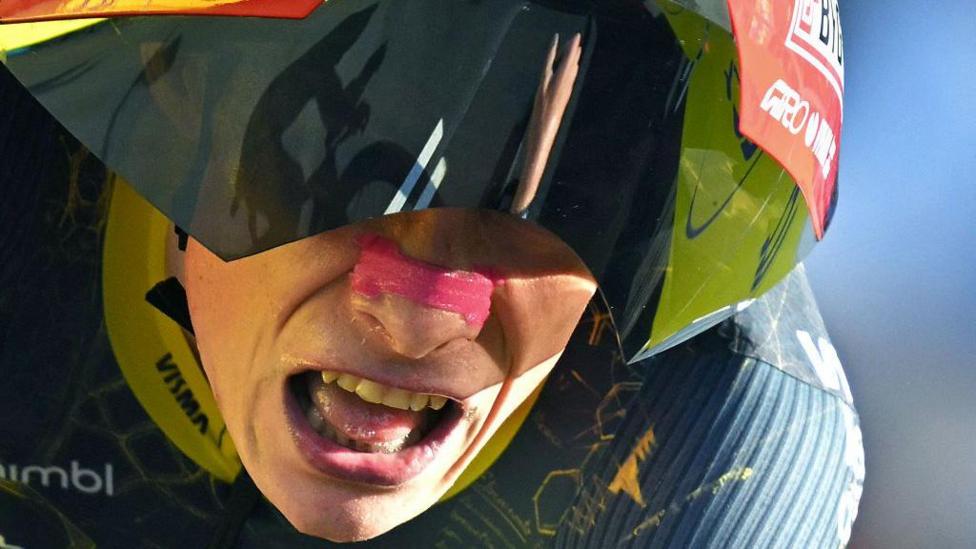
VingegaardDeniesPogacarinTourdeFranceOpeningStageTimeTrial
Jonas Vingegaard snatched yellow from Tadej Pogacar in a tense Tour de France opening team time trial.
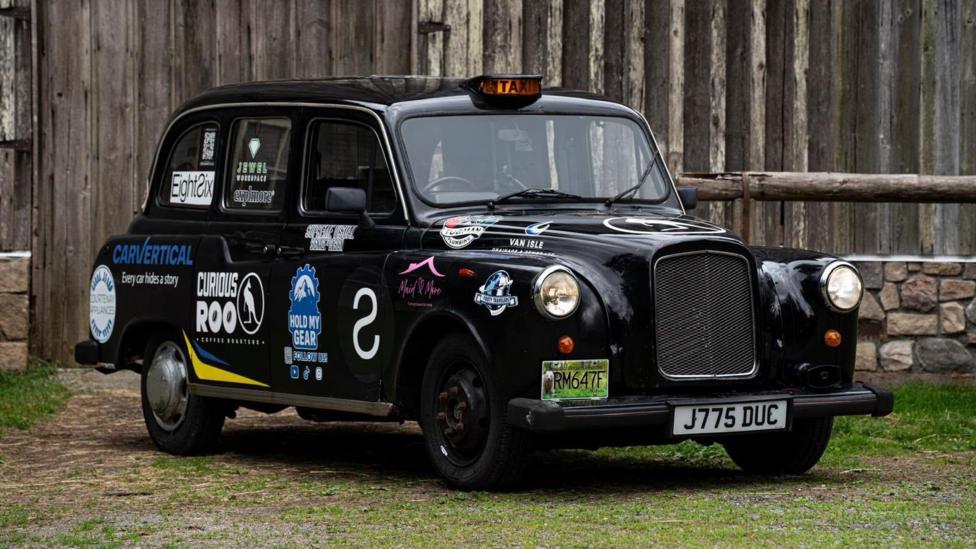
Driving 16 World Cup Stadiums in a London Taxi: The Ultimate Road Trip
Two Englishmen are attempting to visit all 16 World Cup 2026 venues in a traditional London cab. It is a logistical nightmare and a brilliant stunt.