Northern Ireland's Medal Haul Rewrites the Small-Nation Playbook
Team Northern Ireland turned a single day into a historic multi-sport medal sweep, redefining what a population of 1.9 million can achieve.
Team Northern Ireland's Wednesday produced seven medals across three sports: heptathlon gold from Kate O'Connor, 1500m freestyle swimming silver from Daniel O'Connor, 200m breaststroke bronze from Ellie McCartney, and four guaranteed boxing bronzes. For a territory of roughly 1.9 million people, that per-capita output rivals what mid-sized nations with far larger budgets produce. The spread covered track and field, two swimming events, and four boxing divisions. No single sport carried the delegation.
Kate O'Connor's Heptathlon Gold
The heptathlon tests sprinting, jumping, throwing, and endurance across two days and seven disciplines. Winning requires ranking above the median in every event, then producing top-tier marks in at least two.
Multi-event titles signal coaching depth specifically: a heptathlon champion needs a sprint coach, a throws coach, a jumps coach, and an endurance framework that all converge without conflicting demands on the athlete's body. O'Connor's gold points to infrastructure, not just individual brilliance.
Two O'Connors, Two Pool Medals
Daniel's 1500m freestyle silver and Kate's heptathlon gold represent two completely different physiological profiles. The 1500m freestyle is the longest pool event on the programme, rewarding aerobic capacity, pacing discipline, and lactic-acid management across roughly 14 to 15 minutes of continuous effort. Daniel's silver suggests a coaching programme built for distance, not sprint chasing.
Ellie McCartney's bronze in the 200m breaststroke adds a second swimming medal from a different stroke and distance. Breaststroke demands wholly distinct technical coordination from freestyle. Two pool medals from two athletes in two different strokes is a better indicator of programme health than two medals from the same event.
Four Boxing Semi-Finalists
The guarantee of four boxing bronze medals is the strongest signal of the day. Every boxer who reaches the semi-final stage earns at least bronze, which means four Northern Irish boxers advanced to that round across their respective weight divisions.
Boxing tournaments reward depth disproportionately. One boxer can win gold. Four semi-finalists guarantee four medals before the medal bouts even begin, with the upside of upgrading to silver or gold depending on results. The floor is four bronze, and the ceiling is higher. For a nation of this size to populate a semi-final round across four weight categories, the domestic boxing infrastructure from amateur clubs through to elite preparation is operating well above its population weight.
National teams at multi-sport events are judged by total medal count, a metric that hides distribution. A nation winning five medals in one sport looks identical on the table to one winning five across five. The latter is harder. Team Northern Ireland's Wednesday delivered medals from three sports, with two contributing from different event profiles within their discipline: athletics produced a multi-event champion, swimming produced a distance freestyler and a breaststroke specialist, boxing produced a semi-finalist quartet.
The boxing tradition remains the reliable floor. The swimming and athletics programmes are now providing athletes capable of reaching the podium on the same day. The four guaranteed boxing bronzes have yet to resolve, and their upgrade potential will determine whether this becomes Northern Ireland's most decorated multi-sport event cycle or merely its most memorable afternoon.
Editorial Integrity
This is an original SportPulse article written by our editorial team. All content is independently researched, written, and reviewed by our writers and editors before publication. We do not publish copied, aggregated, or syndicated content.
SportPulse is committed to original sports journalism. Read our editorial policy or contact us with any questions.
More Like This
All long-reads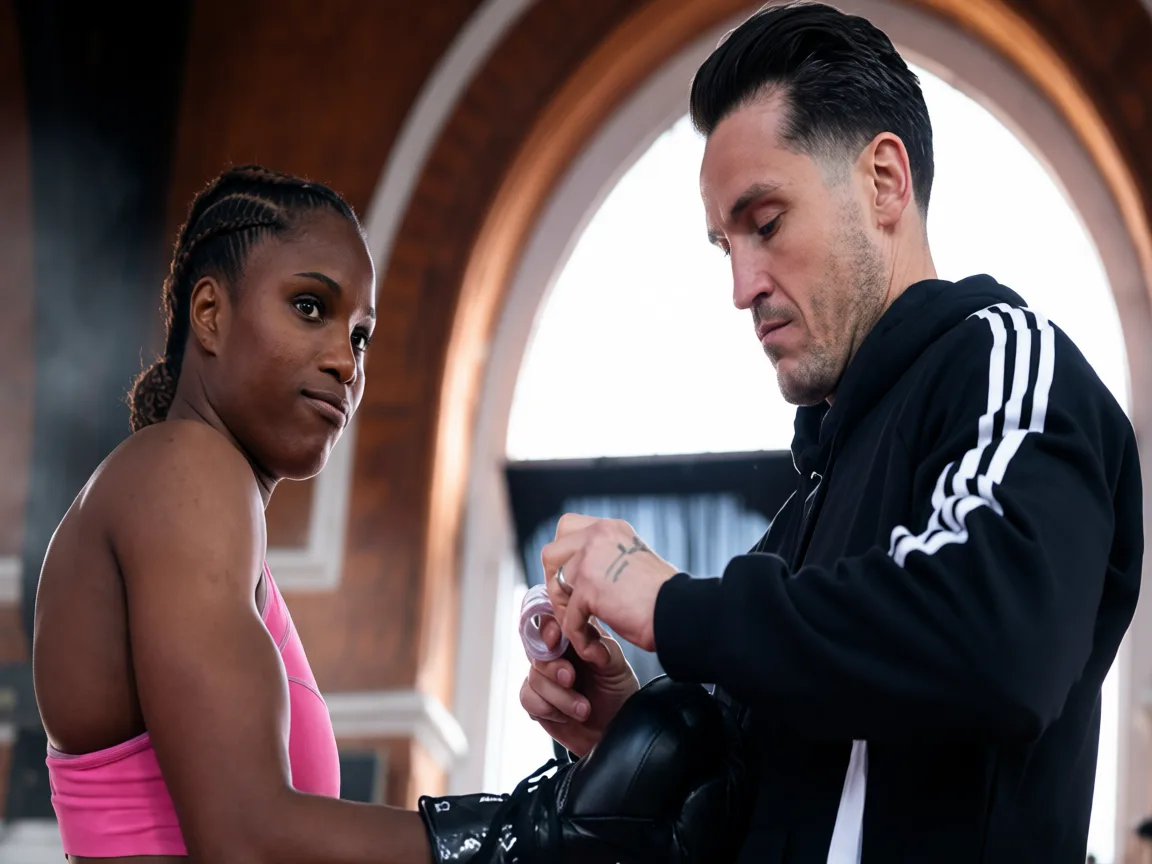
World Champion Caroline Dubois Ends Partnership with McGuigan
Caroline Dubois splits from Shane McGuigan and will move to America, marking a pivotal change in her boxing career.
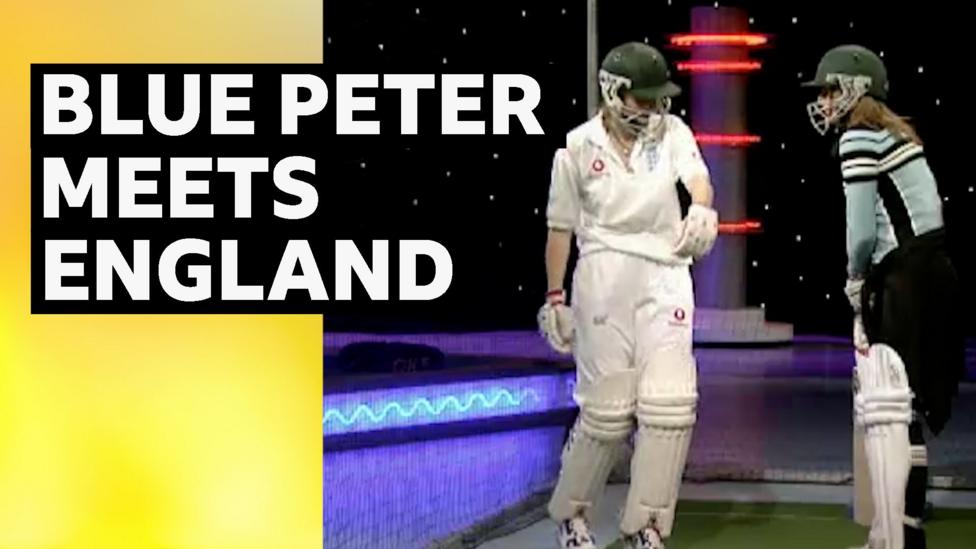
From Blue Peter Prodigy to England Boss: Charlotte Edwards' Full Circle
Charlotte Edwards went from a Blue Peter rising star in 1997 to England's T20 World Cup head coach this summer.
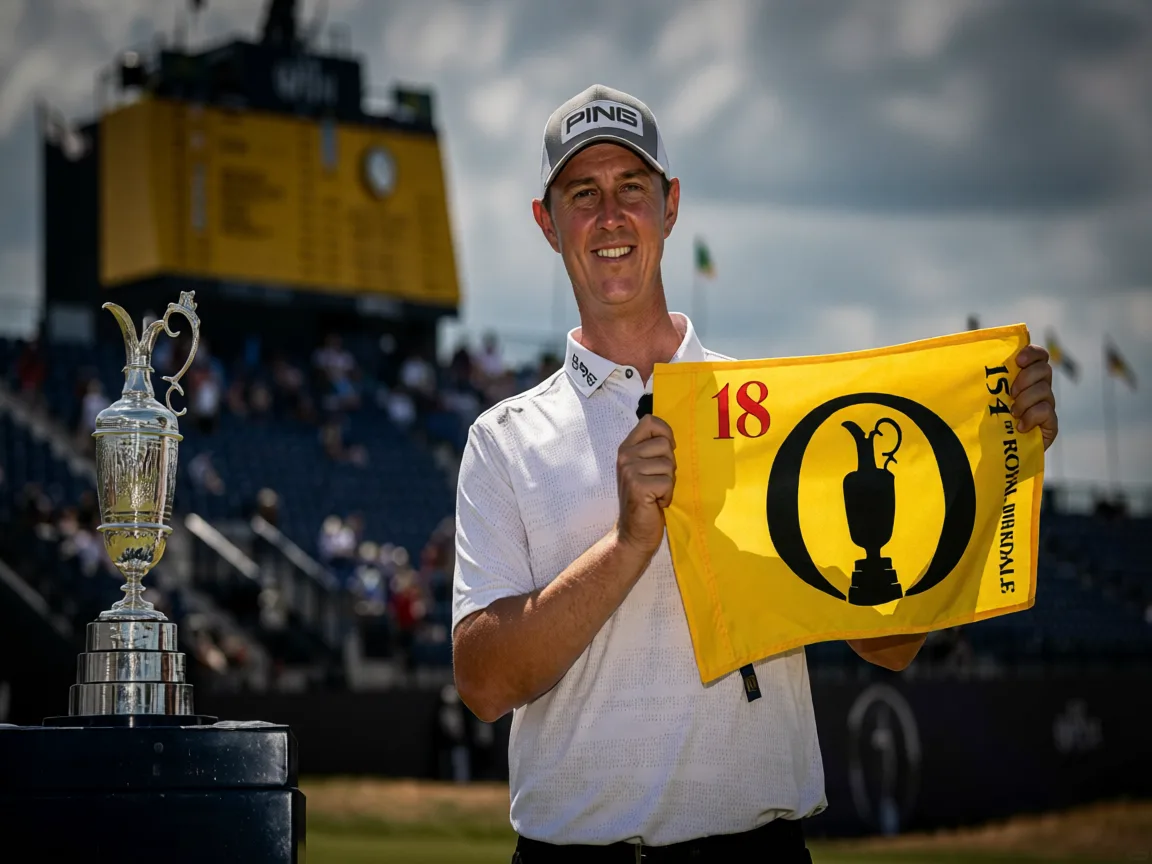
Joe Dean's Open Dream Meets a Housing Crisis
The inaugural Last Chance Qualifier winner at Royal Birkdale faces a surreal problem: he might not have anywhere to stay.