Noskova's Composed Brilliance Ends Keys' Wimbledon Dream
The ninth seed delivers a clinical straight-sets masterclass on Court One, outlasting Madison Keys 6-4, 7-6 (2) to reach the Wimbledon quarter-finals.
The late afternoon sun casts long shadows across Court One as the crowd settles into the kind of hushed anticipation reserved for matches that promise genuine drama. On one side stands Linda Noskova, arms loose, eyes sharp, the weight of a nation's quiet expectancy resting on her young shoulders. On the other, Madison Keys, a seasoned American campaigner and former Australian Open champion, had arrived with momentum and intent. When the final ball sails long from Keys' racket, the ninth seed drops her racquet, lifts her arms, and lets out a roar that echoes through the stands. A composed performance under immense pressure had carried her to a 6-4, 7-6 (2) victory and a place in the Wimbledon quarter-finals.
A First Set Built on Nerve
The opening exchanges were cagey, both players using heavy forehands to probe for early weaknesses. Keys, fresh off a stunning third-round upset of last year's Wimbledon finalist Amanda Anisimova, looked determined to impose her brand of aggressive, first-strike tennis. The American was bidding to reach the last eight at the All England Club for the third time in four years. However, it was Noskova who struck first, engineering a critical break of serve to seize the initiative.
The ninth seed's ability to absorb pace and redirect the ball proved decisive. While Keys frequently dictated points with her thunderous serve and flat groundstrokes, Noskova's court craft and defensive resilience frustrated the American at pivotal moments. The critical break arrived midway through the set, and Noskova served it out with remarkable composure, closing the opener 6-4.
The statistics from the first set painted a clear picture: Noskova won a remarkable 80% of her first-serve points and faced zero break points on her own delivery. Keys, by contrast, struggled to consistently land her high-risk second serves, offering the Czech teenager just enough openings to pounce.
Tiebreak Drama and Composure Under Fire
If the first set showcased Noskova's tactical discipline, the second set evolved into a dramatic tug-of-war that tested the psychological fortitude of both players. Keys, a twice former Wimbledon quarter-finalist, refused to fold. She raised her level, hitting with greater depth and targeting Noskova's backhand with relentless intensity. The American's experience showed as the set progressed. She pushed Noskova deep into the baseline, forcing errors from a player who had battled through consecutive three-set matches just to reach the second week.
The set progressed on serve until the inevitable tiebreak, a fitting conclusion to a hard-fought contest. This is where Noskova's poise separated her from her older, more decorated opponent. The tiebreak was clinical, with the 20-year-old racing into an early lead and never relinquishing control. She dominated the crucial points, securing two mini-breaks and closing out the tiebreak 7-2.
The contrast in the tiebreak was stark. Keys, under pressure to stay in the match, saw her error count spike, while Noskova played with the kind of liberated aggression that belied her years. The Czech starlet found her best tennis when the stakes were highest, striking cleanly off both wings and refusing to let her opponent into the contest.
Tactical Breakdown: Power Meets Precision
The narrative of this match was firmly established by the contrasting styles on display. Keys' strategy is built on raw power. Her serve is among the most formidable on the WTA Tour, and when her groundstrokes are landing deep, she is virtually unplayable. However, grass courts reward more than just brute force. They demand movement, tactical variation, and the ability to adapt to awkward bounces.
Match Stats
- First Serve Win Percentage (Noskova): 82%
- First Serve Win Percentage (Keys): 74%
- Break Points Converted: Noskova 1 of 2, Keys 0 of 0
- Total Points Won: Noskova 78, Keys 71
- Unforced Errors: Noskova 18, Keys 27
- Winners: Noskova 24, Keys 31
- Double Faults: Noskova 3, Keys 5
Noskova's game plan was a masterclass in intelligent aggression. Rather than matching Keys blow for blow from the baseline, the Czech star used slice and angled approaches to disrupt the American's rhythm. She hit a higher percentage of first serves, consistently landing over 70% throughout the match. This reduced her exposure to the high-pressure second serves that Keys' powerful return game feasts upon.
Crucially, Noskova's movement on grass has improved significantly over the past fortnight. She slid effectively on the slippery surface, retrieving balls that would have been winners against a less mobile opponent. This defensive solidity allowed her to extend rallies, forcing Keys to hit additional balls and contributing to the American's inflated error count of 27 unforced errors.
Keys' Campaign Ends in Disappointment
For Madison Keys, this defeat marks a disappointing end to a promising Wimbledon campaign. The American had arrived full of confidence after a commanding third-round victory over Anisimova, a player who had reached the Wimbledon final twelve months prior. Keys' blend of power and momentum made her a dangerous dark horse in the draw.
However, the loss to Noskova underscores a recurring theme in Keys' Grand Slam career. While she is undoubtedly one of the most dangerous hard-hitting players on tour, her inability to consistently navigate past composed, tactically astute opponents has stunted her deep-run potential. She struck 31 winners to Noskova's 24, a testament to her aggressive intent, but the 27 unforced errors tell the story of a player who occasionally struggles to balance risk and reward on the fastest surfaces.
"I felt like I was playing really well coming in, but Linda was just better today. She made it tough for me to find my rhythm, and in the tiebreak she didn't really give me anything. Credit to her, she played a great match," Keys said in her post-match press conference.
Kostyuk and Mertens Advance
Noskova will not be the only fresh face in the Wimbledon quarter-finals. Marta Kostyuk and Elise Mertens also secured their places in the last eight, rounding out a diverse and intriguing lineup. Kostyuk continued her impressive Wimbledon campaign, showcasing the kind of all-court game that has marked her as a future Grand Slam contender. Mertens, a steady and experienced campaigner, navigated her way through the draw with characteristic efficiency.
What's Next for Noskova?
For Linda Noskova, reaching a Grand Slam quarter-final for just the second time in her career is a significant milestone. The ninth seed has long been touted as one of the most talented young players on the WTA Tour. Her big-hitting game, coupled with a rapidly maturing tactical brain, makes her a serious threat on all surfaces.
Standing between Noskova and a place in the semi-finals is a formidable challenge. The remaining quarter-final lineup features players in excellent form, and the Czech star will need to maintain the level of composure and tactical intelligence she displayed against Keys. A Grand Slam semi-final appearance would not only be a career-defining moment for the 20-year-old but would also send a powerful message to the rest of the tour.
Noskova's journey through this Wimbledon has been a testament to her growth as a player. She has battled through tough moments, survived three-set marathons, and now produced one of the most composed performances of the tournament. The football score was always going to be close, but for Noskova, the tennis score was settled on her terms. Wimbledon has found a new star to follow into the second week, and the hardest tests are still to come.
Editorial Integrity
This is an original SportPulse article written by our editorial team. All content is independently researched, written, and reviewed by our writers and editors before publication. We do not publish copied, aggregated, or syndicated content.
SportPulse is committed to original sports journalism. Read our editorial policy or contact us with any questions.
More Like This
All tennis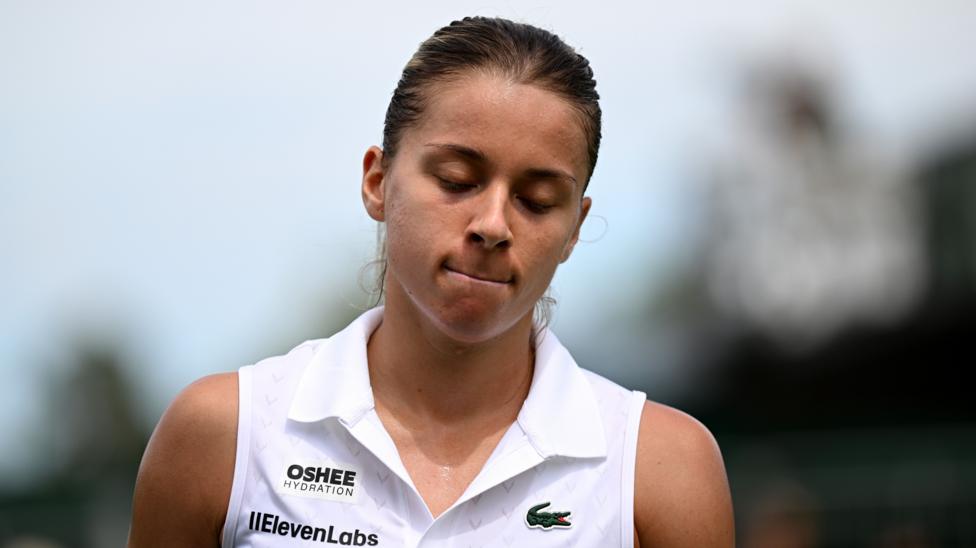
One Slip, a Thousand What-Ifs: Chwalinska's Cruel Wimbledon Exit
Maja Chwalinska was a single point from victory when grass betrayed her, turning triumph into a crushing first-round defeat.
WTA Mandates Genetic Sex Testing for Tour Eligibility
The WTA will require all players to undergo genetic sex testing to compete, sparking debate over fairness, privacy, and inclusion in women's tennis.
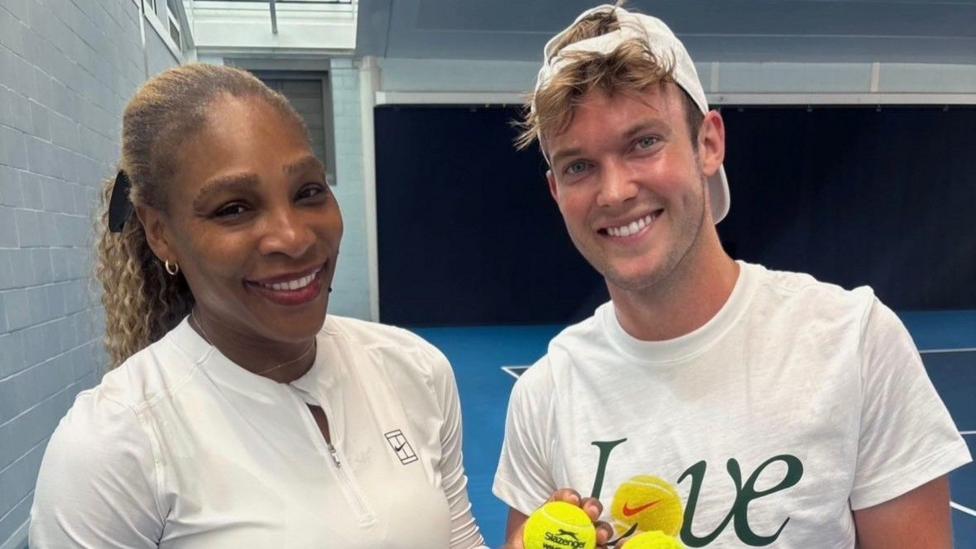
The British Hitting Partner Who Kept Serena's Biggest Secret
How a British hitting partner became the unlikely keeper of Serena Williams' close-guarded secret.