The Open Scrambles to Dodge World Cup Final Chaos
Royal Birkdale's Sunday finish faces a scheduling earthquake if England reach the World Cup final.
A Scheduling Earthquake Looms Over Royal Birkdale
Picture the scene. Sunday afternoon. The Claret Jug is being polished. The leaders are walking down the 18th fairway at Royal Birkdale. And somewhere across the country, millions of television remotes are clicking away.
England are playing in a World Cup final.
This is the nightmare scenario currently haunting the R&A. Golf's oldest major championship could find itself blindsided by the Three Lions' most glorious run in generations. And the governing body is already working on contingency plans that would have seemed absurd just weeks ago.
The Open Championship's final round tee times might move. Not by minutes. By hours. All to dodge a collision with football's grandest spectacle.
When Two Worlds Collide
The maths is brutal. The World Cup final kicks off in the evening UK time. The Open's traditional Sunday finish sees the lead group walking off the 18th green around 6 PM local time. The overlap is not just possible. It is dangerously likely.
"We are monitoring the situation closely and will make decisions as the picture becomes clearer."
That diplomatic phrasing masks a logistical headache of epic proportions. The R&A掌控 the tee times. They control the broadcast windows. They control the pacing of the final round. What they cannot control is whether Harry Kane and his squad keep winning.
The Stakes Could Not Be Higher
If England reach the final, British viewing habits undergo a seismic shift. The nation stops. Pubs overflow. Living rooms become churches. Everything else becomes background noise.
Everything including major championship golf.
The Open is not some niche weekend event. It is one of golf's four majors. It draws a global audience of millions. Its broadcast rights are worth hundreds of millions. Its sponsors pay premium rates for Sunday afternoon exposure.
All of that value evaporates if England are simultaneously contesting a World Cup final.
The Numbers Behind the Dilemma
Consider what happened during England's 2018 World Cup semi-final against Croatia. Peak UK viewership hit 26.6 million on BBC and ITV combined. That was a semi-final. On a Wednesday evening.
A World Cup final involving England would shatter records. Conservative estimates suggest 30 million-plus viewers could tune in. The all-time UK television record of 32.3 million for the 1966 World Cup final would be under genuine threat.
By comparison, The Open's final round typically attracts between 2 and 3 million viewers on British television. A strong finish with a British contender in contention might push that figure higher. But even in the most optimistic scenario, golf's audience would be a rounding error against football's gravitational pull.
- 32.3 million watched the 1966 World Cup final on UK television
- 26.6 million watched England's 2018 semi-final against Croatia
- 2-3 million typically watch The Open's final round on British TV
- 72 holes of championship golf scheduled for Sunday completion
Behind the Deal: The Commercial Calculus
This is not merely a scheduling inconvenience. It is a commercial crisis hiding in plain sight.
The Open's broadcast partners pay substantial sums for exclusive golf content. Sunday's final round is the crown jewel of that package. Sponsors like HSBC, Rolex, and Mastercard have invested heavily in premium association with the championship's marquee day.
If the final round bleeds into the World Cup final window, those partners lose visibility. Viewership drops. Engagement collapses. The return on investment plummets.
"We have contingency plans in place for various scenarios. The integrity of the championship remains paramount."
Moving tee times earlier sounds simple. It is anything but. Television production schedules are locked months in advance. Broadcast crews, camera positions, and satellite windows all depend on established timelines. Shifting the final round forward means renegotiating broadcast windows across multiple international markets.
The R&A also has to consider the players. Earlier tee times mean earlier wake-up calls. Changed routines. Altered preparation schedules. For athletes operating at the peak of precision, routine disruption is not trivial.
What the Contingency Looks Like
Sources close to the championship suggest several options are on the table. The most likely scenario involves bringing forward the final group's tee time by two to three hours. Instead of finishing in the early evening, the champion would be crowned by mid-afternoon.
That window would clear the stage before football's main event begins.
Alternatively, the R&A could compress the final round entirely. Two-tee starts. Threesomes instead of pairs. A tighter window that ensures completion well before any kickoff.
Both options have been used before in different contexts. Poor weather has forced two-tee starts at previous Opens. The infrastructure exists. The question is whether the R&A is willing to trigger that protocol for a scheduling conflict rather than a meteorological one.
The Broader Question: Who Owns Sunday?
This dilemma exposes something deeper about the modern sporting landscape. Football's reach is unlike anything else. It crosses demographics, geographies, and seasonal preferences. A World Cup final involving England does not simply compete with other sports. It absorbs them.
Golf knows this. Tennis knows this. Every major sport with a summer calendar knows this. The question is whether traditional sports are willing to flex around football's dominance or whether they stubbornly hold ground and accept diminished returns.
The R&A appears to be choosing pragmatism over pride.
"Our priority is completing the championship in conditions that give every player the best opportunity to compete."
That carefully worded statement reveals nothing and everything simultaneously. The priority is completion. The method is flexibility.
The Player Perspective
For the golfers themselves, this situation is uniquely distracting. Major championship Sunday requires singular focus. The ability to block out external noise is what separates winners from contenders.
Imagine being one shot off the lead. You are standing on the 15th tee. You know that across the country, England are walking out for a World Cup final. Your caddie knows it. The crowd knows it. Every television in the hospitality tents is showing something other than your round.
The atmosphere changes. The energy shifts. Players have spoken openly about the difficulty of competing for attention when football's magnetic pull takes hold.
Some welcome it. They are fans too. They understand the moment. They would rather finish early and watch the match than grind through a final round knowing the nation's eyes are elsewhere.
Others resent it. They have worked their entire lives to contend for a major championship. The notion that their moment might be hijacked by a football match feels like an indignity.
What Happens Next
The R&A will wait. They will watch England's progress through the tournament. They will monitor results. And if the Three Lions keep marching, contingency plans will activate.
Tee times will shift. Broadcast schedules will adjust. And golf will quietly step aside for football.
The alternative is a catastrophe the R&A cannot risk. A final round played in front of an audience that has already left the building.
Editorial Integrity
This is an original SportPulse article written by our editorial team. All content is independently researched, written, and reviewed by our writers and editors before publication. We do not publish copied, aggregated, or syndicated content.
SportPulse is committed to original sports journalism. Read our editorial policy or contact us with any questions.
More Like This
All football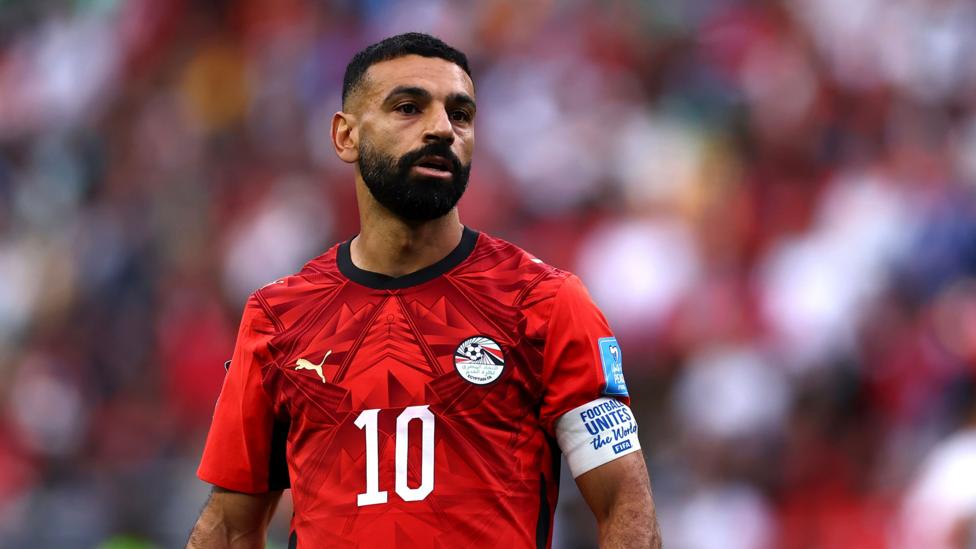
Salah Wins Fitness Race as Egypt Eye Australia Upset
Egypt camp sources confirm Mohamed Salah is on track to face Australia in Friday's round-of-32 clash in Dallas.
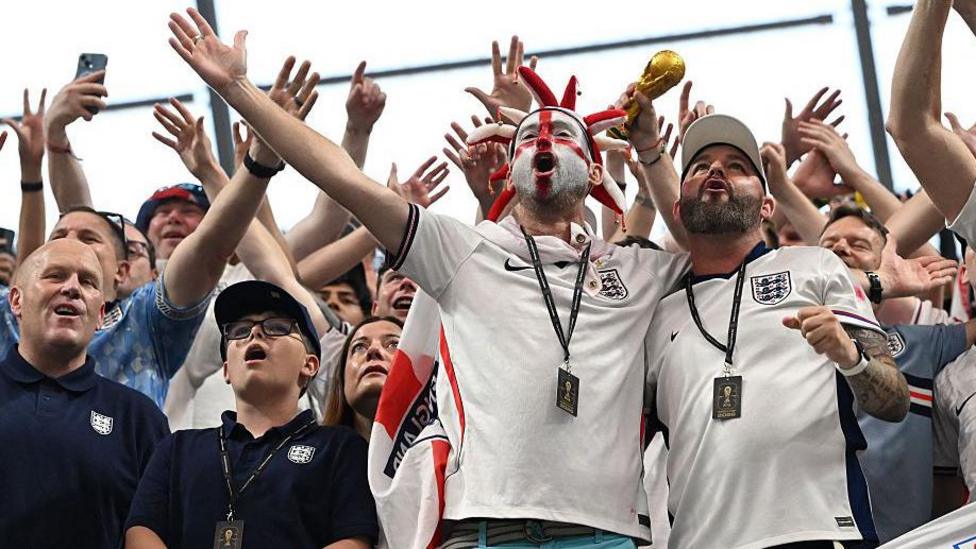
£2,600 Per Ticket: England Fans Priced Out of World Cup Last 16
FIFA's resale platform is charging England supporters a minimum of £2,600 for the Mexico last-16 clash.
Solicitor Dropped By Rugby Players Still Leads Football Brain Injury Case
Richard Boardman dismissed by over 1,000 rugby claimants but remains solicitor for former footballers including Nobby Stiles' family.