Fifty Years of the Panenka: How a Cheeky Chip Became Football's Noun
Antonin Panenka's audacious penalty won a European Championship. It took decades for his name to become the word every fan now knows.
Antonin Panenka did not invent arrogance. He merely gave it a surname. Fifty years ago, the Czechoslovakian midfielder stepped up to take the penalty that would decide the 1976 European Championship final against West Germany. Sepp Maier stood in the German goal. The trophy stood behind him. Panenka chipped the ball straight down the middle.
He won the tournament and created football's most polarizing act of defiance.
![Graphical illustration of a penalty kick trajectory arc]
The shot was broadcast to a continent, yet the name took decades to catch on. A search of the British newspaper archives shows the technique was barely mentioned until Francesco Totti revived it. It existed as a curiosity, a footnote to a final, a trick without a title.
Totti and the Long Road to Recognition
For years, Panenka's chip lived in anecdotes. The internet generation needed to see it to accept it. At Euro 2000, the Italian playmaker pulled the chip out during a penalty shootout against the Netherlands. The audacity was staggering. The stadium erupted. Clips circulated on early sports websites and message boards.
Totti gave the technique oxygen. He proved it was not a myth or a once-in-a-century fluke. It was a viable weapon.
Still, the noun did not solidify overnight. It took at least another decade for commentators and supporters to use "Panenka" as a descriptor. Fans needed to see enough attempts, both successful and mortifying, to demand a shorthand.
A Wikipedia Page and a Delayed Dictionary
The chip did not have its own dedicated Wikipedia page until 2014. That is nearly four decades after Panenka scored in 1976, and more than a decade after Totti revived it in 2000. The term entered everyday football vocabulary sometime after 2010. The encyclopedic entry arrived late.
By 2026, the transformation is absolute. Every football fan knows what it means. The word crosses languages and borders. To "Panenka" a penalty is to risk humiliation for the sake of aesthetic perfection.
How the Chip Works
The technique exploits a goalkeeper's most basic instinct. A penalty taker approaches the ball. The keeper must choose: dive left, dive right, or stay central. Most keepers dive. The taker knows this.
The Panenka demands commitment to the central channel, trusting the keeper will pre-commit. The ball is chipped softly into the vacated space. When it works, the taker looks like a genius. When the keeper stands still, the taker looks like a fool.
Fifty Years of Attempts
The 50th anniversary of the original shot provides a frame for judgment. Across five decades, players have attempted the chip in moments ranging from trivial to existential. Some have succeeded in clinching trophies. Others have missed in circumstances that haunted their careers.
A compilation of 50 famous and infamous attempts traces the evolution of the technique. It moved from a stroke of genius in a major final to a regular, sometimes infuriating, feature of modern football culture. Every successful Panenka carries the ghost of Antonin's original audacity. Every failed attempt carries the weight of a stadium's mockery. The chip is a binary gamble decided in the air, a slow-motion arc ending in glory or disgrace.
Fifty years on, the man who won a European Championship with a dinked ball finally has his name on the technique. The dictionary caught up. Football finally found the word.
Editorial Integrity
This is an original SportPulse article written by our editorial team. All content is independently researched, written, and reviewed by our writers and editors before publication. We do not publish copied, aggregated, or syndicated content.
SportPulse is committed to original sports journalism. Read our editorial policy or contact us with any questions.
More Like This
All long-reads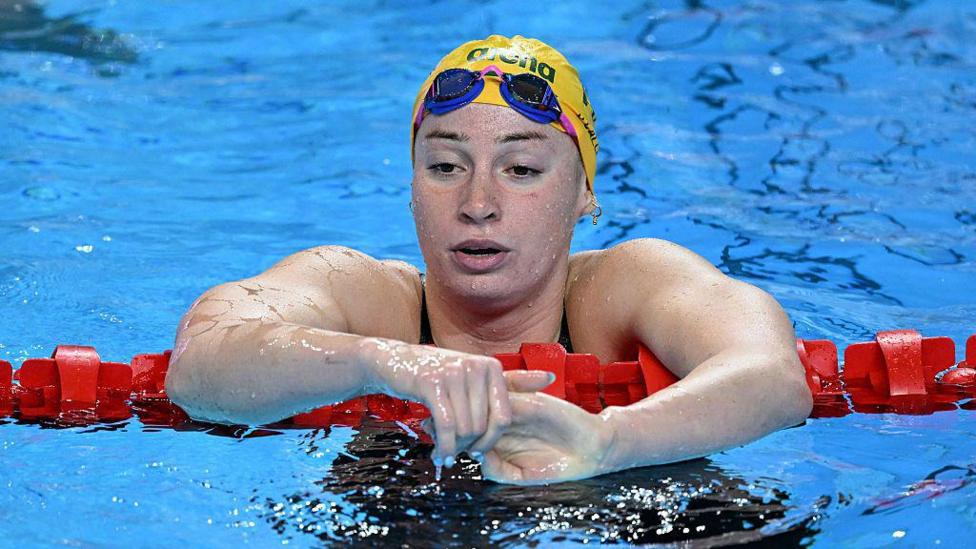
Mollie O'Callaghan Defies Doctor's Orders to Chase Glasgow Glory
Told to stop swimming immediately last month, the Olympic champion is betting everything on Glasgow.
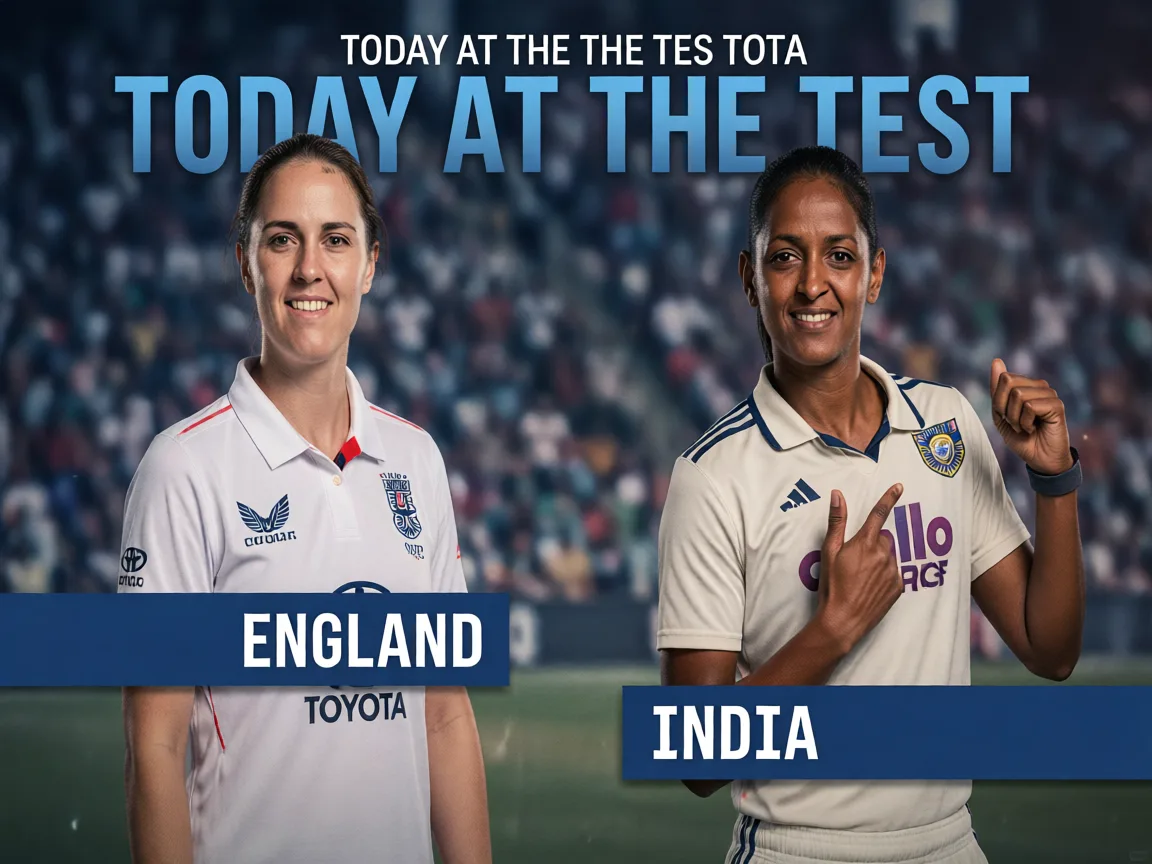
Lord Witness: England Women vs India Women Test Day One Drama
Day one at Lord's delivered a overdue Women's Test spectacle between England and India with tension, skill, and history.
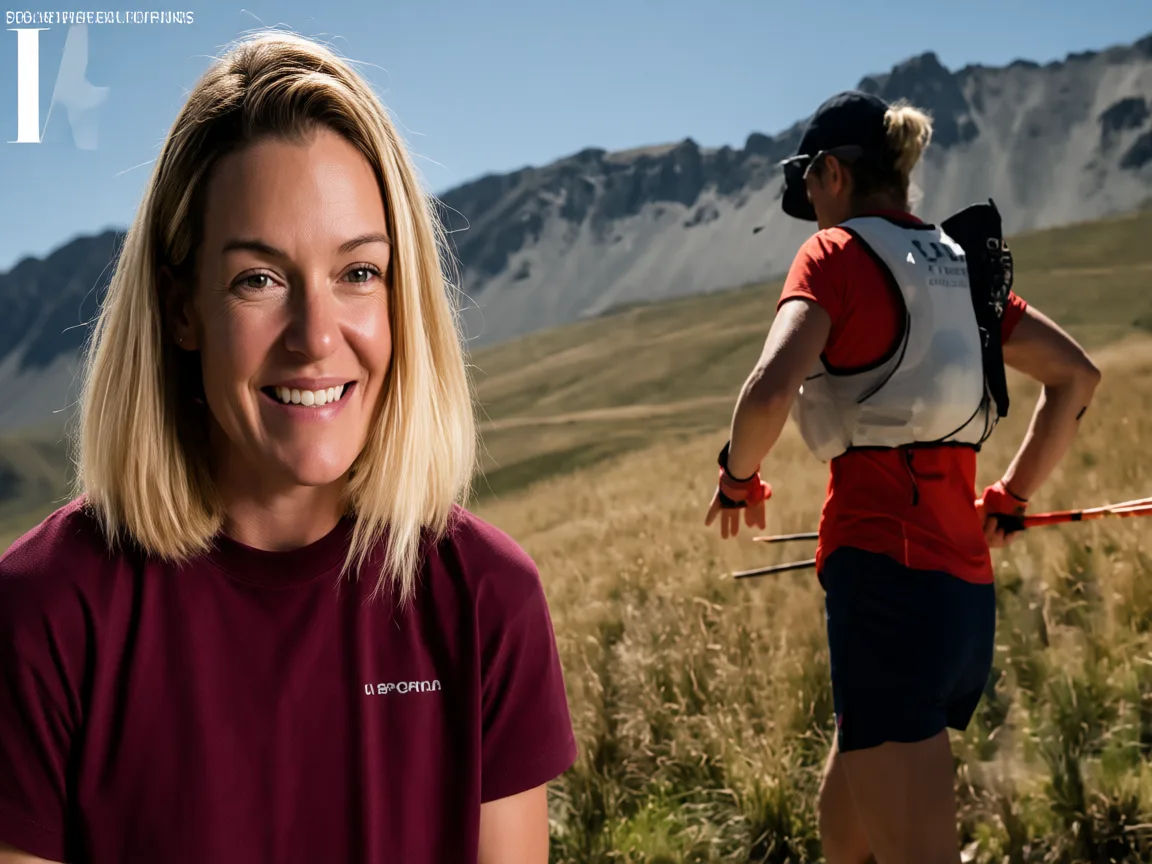
Sophie Woods Conquers 2,000km Via Alpina in Record 29 Days
Ultra-runner Sophie Woods shattered the Via Alpina record, covering eight countries in 29 days across Europe's most brutal mountain chain.