Papaya Rules Decoded: McLaren's Internal Battle Explained
Papaya Rules govern how McLaren's drivers race each other. Here is what the phrase means and why it matters for the F1 championship.
The tyres lock. The downforce washes away. Two papaya orange cars slice into the braking zone side by side, inches apart at 200 mph. This is the razor's edge of Formula 1, where team glory and individual ambition collide. Welcome to the era of Papaya Rules.
McLaren sits at the sharp end of the grid. That supremacy brings a unique problem: two fiercely competitive drivers fighting over the same pieces of real estate. When Lando Norris and Oscar Piastri run nose-to-tail, the tension on the pit wall is palpable.
Papaya Rules are the internal protocol governing how McLaren's drivers race each other. The term is McLaren's proprietary slang for their rules of engagement. When a race engineer tells a driver the race is under Papaya Rules, it triggers a specific mode of operations.
The core principle is simple: race hard, but race clean. Do not take each other out. It sounds straightforward, but in the pressure cooker of a Grand Prix, the execution is anything but.
The Birth of the Orange Order
The phrase burst into the mainstream vocabulary during the 2024 season, but the concept has deep roots. McLaren's resurgence to the front of the grid meant their drivers were suddenly sharing the same patch of tarmac at the sharp end of the field.
Historically, F1 teams have handled intra-team combat in drastically different ways. Red Bull famously operated under a system that heavily favored their lead driver, moving supporting pieces out of the way. Mercedes trudged through the toxic Rosberg-Hamilton era, letting their drivers settle it on track until carbon fiber started flying.
McLaren wanted a different path. The phrase emerged organically within the team communications. It codified what the Woking squad expected when their two cars went to war. No aggressive swerves under braking. No squeezing a teammate onto the dirty part of the track. And above all, no contact.
It is a psychological contract as much as a tactical directive. It tells Norris and Piastri they have the freedom to fight, but with boundaries.
The Fine Line of Combat
Implementing Papaya Rules requires split-second judgment. The protocol demands the defending driver leaves a car's width to the track boundary. The attacking driver must not dive-bomb into a gap that is closing. It requires mutual respect.
The rules activate a specific hierarchy when the battle threatens the team's overall strategy. If the drivers are fighting so hard that they lose time to a chasing rival, the pit wall will intervene. The driver ahead must maintain a minimum pace. The driver behind must not spend laps stuck in dirty air, destroying their tyres.
McLaren Team Principal Andrea Stella has been vocal about this balance. The team wants racing, not a procession. But they demand intelligence.
"We want to give our drivers the opportunity to race. But they need to be aware that we have a bigger picture. The rules are about ensuring we maximize the team's result." — Andrea Stella
When the Rules Get Tested
Theory meets reality at 200 mph. The 2024 Hungarian Grand Prix provided the ultimate stress test. Norris and Piastri ran one-two on the opening lap. What followed was a masterclass in tension.
Norris, on a different strategy, had superior pace later in the race. Piastri, leading, had track position. The team faced a dilemma. Keep the positions static and secure a maximum points haul, or let them race and risk a multi-million dollar collision.
The communication was fascinating. Norris was told the pair were under Papaya Rules. He pushed, but cleanly. Piastri defended, but fairly. Eventually, team orders swapped them to secure the win for the faster car. But the wheel-to-wheel moments preceding the swap demonstrated the protocol working at its limit.
The margin for error is milliseconds. At Turn 1 in Monza, the slipstream effect means the car behind can arrive 20 km/h faster than the car ahead. Braking a fraction too late under Papaya Rules means a collision that ruins both races.
Comparing the Playbook
McLaren's approach stands in stark contrast to the competition.
- Red Bull: Maximum prioritization. The second car is often used as a tactical pawn, surrendering track position to aid the championship leader.
- Ferrari: Reactive chaos. The Scuderia frequently flip-flops between letting their drivers race and imposing rigid team orders, often depending on the mood of the pit wall.
- Mercedes: The survivors of the Hamilton-Rosberg war developed a strict 'zero tolerance' policy for contact, imposing heavy penalties for crashes.
McLaren sits closest to Mercedes' modern approach. However, Papaya Rules aim to allow more genuine racing than the Germans typically permit. The Woking outfit trusts their drivers more than most.
This trust is underpinned by data. McLaren's strategy department runs thousands of simulations. They calculate the exact tyre degradation differential between running in clean air versus dirty air. When the crossing point arrives, where holding position costs the team time, Papaya Rules dictate the switch must happen.
The Verdict
Race MVP
Oscar Piastri. The young Australian has absorbed the spirit of Papaya Rules flawlessly. He races with the aggression of a veteran but the calculation of a strategist. He pushes to the limit of the protocol without ever stepping over. His respect for the team's bigger picture, while never surrendering an inch of track, is the benchmark.
Biggest Disappointment
The concept's critics. Those who argue intra-team battles must be stamped out entirely miss the point of the sport. Papaya Rules represent the best possible compromise between team discipline and racing authenticity.
Championship Picture
The effectiveness of Papaya Rules will define McLaren's championship ambitions. If Norris and Piastri continue to navigate their battles cleanly, McLaren can maximize hauls at every circuit.
But the pressure will increase. As the weights of the championship shift race by race, McLaren will face tougher calls. Does the team favor Norris for a drivers' title push? Piastri will not accept being a permanent number two. He possesses the raw pace and ruthless edge required to win.
Every wheel-to-wheel moment under Papaya Rules is a data point. If the drivers maintain their current discipline, McLaren has the strongest driver pairing on the grid. If the tension fractures, those orange cars will become each other's biggest obstacle.
The next test comes at the high-speed curves of the calendar. The slipstreaming straights and heavy braking zones will offer no mercy. Papaya Rules will be pushed to the absolute limit once again.
Editorial Integrity
This is an original SportPulse article written by our editorial team. All content is independently researched, written, and reviewed by our writers and editors before publication. We do not publish copied, aggregated, or syndicated content.
SportPulse is committed to original sports journalism. Read our editorial policy or contact us with any questions.
More Like This
All f1
New Names on the Timing Screens: FP1 Rookies Descend on Spielberg
Fresh faces take over FP1 at the Austrian Grand Prix as teams strategically deploy their young driver obligations.
McLaren Refuse to Rule Out Verstappen Swoop
Zak Brown leaves the door ajar for Max Verstappen as Red Bull's internal turmoil fuels intense silly season speculation in Austria.
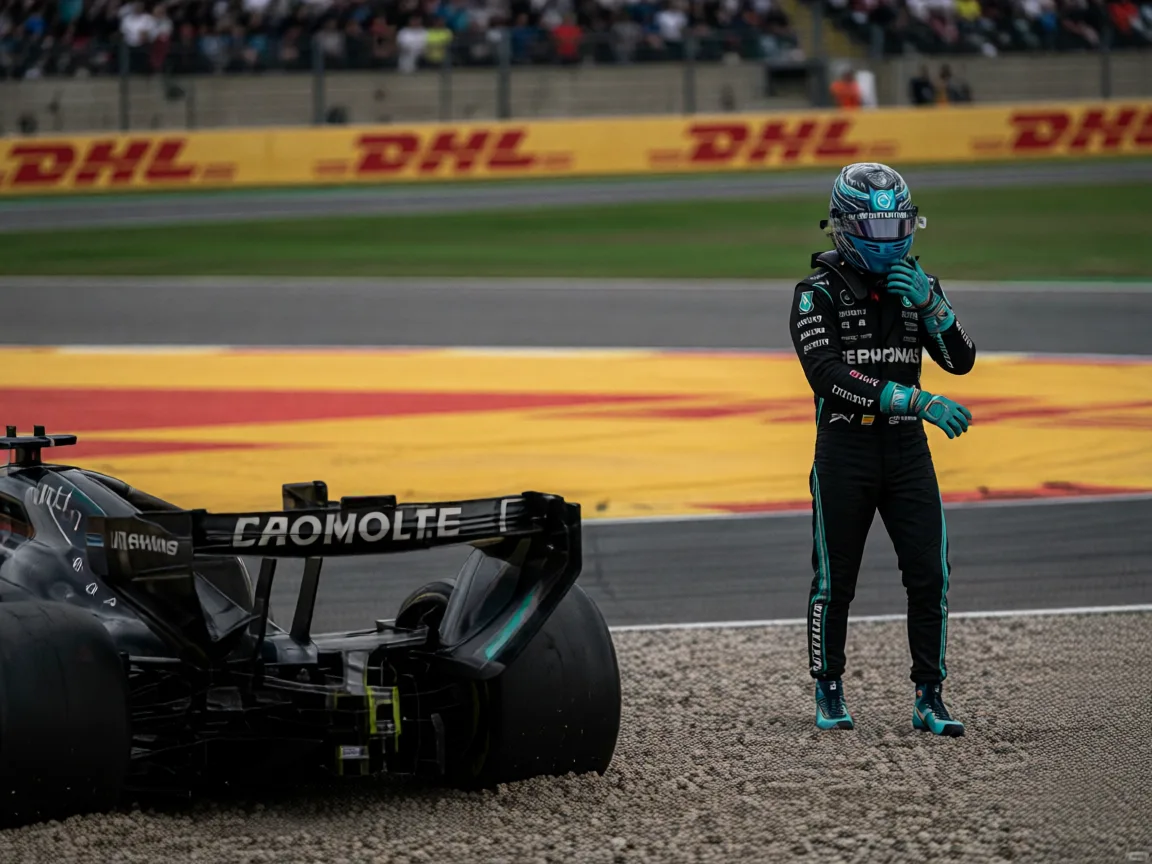
Mercedes Power Failure Derails Russell's Title Hopes at Spa
Toto Wolff holds his hands up after a power unit failure and lap-one clash leave Russell 50 points adrift of Antonelli.