Papaya Rules Decoded: McLaren's Championship Gamble
McLaren's 'Papaya Rules' dictate internal battle lines as Lando Norris and Oscar Piastri fight for the 2024 F1 title.
Lights out and away we go. The tension snaps like a broken carbon fiber wishbone. Two papaya orange McLarens scream into Turn 1, side by side, wheels interlocking at 200 mph. No quarter given, no inch granted. But wait, whose corner is this? Welcome to the high-stakes, razor-edge world of 'Papaya Rules'.
If you have watched a grand Prix this season, you have heard the phrase echo across team radios and paddock debates. It is the governing philosophy of McLaren's internal warfare. It dictates how Lando Norris and Oscar Piastri race each other. It is the thin orange line between maximizing points and securing a dreaded DNF. But what are Papaya Rules, really? Strip away the marketing spin, and you find a fascinating, evolving championship strategy.
The Birth of the Orange Book
McLaren entered the 2024 season as hunt disruptors. By mid-season, they were the hunted. The MCL38 transformed from a podium contender into a genuine race-winning missile. Suddenly, the points doubled. The internal friction ignited.
Team principal Andrea Stella needed a framework to prevent his drivers from tearing the squad apart. The answer: Papaya Rules. The core principle is straightforward. The McLarens race each other hard, but cleanly. Contact is the ultimate sin. Handing rival teams a free points haul through intra-team demolition is strictly forbidden.
Yet the definition bends like a flexing floor plank depending on the championship mathematics. In practice, Papaya Rules form a tiered system of engagement:
- Tier 1: Free Combat. When both drivers are fighting for position outside the podium places, or when track position dictates no overall points loss for the team, they race. Pure, unfiltered, wheel-to-wheel.
- Tier 2: Managed Combat. One driver has a genuine shot at a race win or crucial championship points. The other must race firmly but avoid high-risk moves that could jeopardize the team's maximum haul.
- Tier 3: Team Orders. The championship picture overrides all. A driver higher in the standings holds priority. The teammate must yield, holding position or actively swapping, to maximize the title campaign.
Hungary 2024: The Boiling Point
Turn 1, Budapest. Lando Norris sweeps past pole-sitter Oscar Piastri into the first corner. The Brit leads his teammate, looking set to dominate. But the race throws a curveball. A late Virtual Safety Car flips the pit window. Piastri, on fresh rubber, catches Norris at an astonishing three seconds per lap.
The radio crackles. The pit wall speaks. Papaya Rules activate, shifting instantly from Tier 1 to Tier 3. Norris resists the instinct to race. He conveys his frustration but ultimately yields the lead to Piastri with four laps remaining. The Australian secures his maiden victory. McLaren locks out the 1-2.
"I think as a team, we can be proud of the way we handled things. It's tough when you're leading the race and you have to let your teammate through, but the team has given me a lot, and I respect the rules we have in place. We want to win, but we want to win together."
This moment crystallized the concept. Norris swallowed his pride to protect the team's double podium. The alternative, a collision fighting for the lead, would have been a Papaya Rule violation of the highest order.
The Italian Job: Monza Madness
Just weeks later, Monza. The Temple of Speed exposes every aerodynamic weakness. McLaren deployed aggressive tow tactics in qualifying. In the race, the internal duel flared again, this time hitting the team where it hurts.
Norris and Piastri battled hard through the first chicane. Piastri made a bold lunge. Norris squeezed. The ensuing compromise in exit speed meant Oscar Piastri lost critical momentum. Crucially, it allowed Charles Leclerc's Ferrari to undercut the McLarens during the pit stop window.
Piastri later labeled his own move "a bit stupid" in the heat of the moment. It was a raw, unfiltered admission that Papaya Rules had been stretched to their breaking point. The internal fight directly cost McLaren track position against a rival constructor. That is the precise scenario the rules exist to prevent.
Anatomy of a Papaya Rules Breach
So, where is the actual line? It is not painted on the asphalt. It lives in the gray area between ruthless competition and calculated pragmatism.
A critical breach occurs under specific conditions:
- Initiating contact between the two McLarens under any circumstances.
- Losing positions to rival teams through aggressive internal defense. If Piastri fights Norris so hard he ruins his own tires, allowing a Red Bull through, the Papaya Rules have failed.
- Ignoring pit wall directives when Tier 3 is active. Disobeying a confirmed swap instruction shatters the trust framework entirely.
The stewards of this system are Stella and his race engineers. They read the telemetry, the tire deg curves, and the championship gap. They calculate the value of 1 point versus 25 points in real time.
What the Numbers Say
The championship math leaves no room for ego:
- Max Verstappen leads the Drivers' Standings with over 300 points.
- Lando Norris sits second, fighting to close a gap that has fluctuated around 50 to 70 points.
- Oscar Piastri remains in mathematical contention but trails Norris by over 30 points.
- McLaren trails Red Bull by critical margins in the Constructors' Championship.
When one driver is the sole realistic shot at toppling a generational dominant force, egalitarian racing becomes a luxury McLaren cannot afford. The Papaya Rules harden. The support role crystallizes.
Race Verdict
- MVP: Andrea Stella. Navigating two hungry, elite drivers without suffering a self-inflicted disaster requires the political maneuvering of a seasoned diplomat and the cold calculus of a chess grandmaster.
- Biggest Disappointment: The Gray Area. The rules remain frustratingly opaque to fans. When does a race become a procession? The lack of absolute transparency fuels endless conspiracy theories and frustration among the fanbase.
The Championship Picture
The points table shapes the rules. As the calendar races toward the flyaways, McLaren's strategy will calcify further. If Norris remains the only driver capable of catching Verstappen, Piastri will feel the Tier 3 squeeze more frequently. The Constructors' Championship, however, might demand Piastri score every single point possible. It is a brutal balancing act.
The true test arrives when the margins shrink. Imagine Abu Dhabi. Norris needs a win to clinch the title. Piastri is running second, holding up a charging Verstappen. Does Piastri yield the lead to maximize Norris's points, or does he hold position to block the Dutchman? That scenario will stress-test the Papaya Rules like nothing before.
For now, the orange cars fly. The internal battle rages. But the rulebook keeps the detonation at bay. Papaya Rules are not just a catchy phrase. They are McLaren's survival guide. They are the only way two razor-sharp drivers can coexist in a machine fast enough to fight for the ultimate prize.
Editorial Integrity
This is an original SportPulse article written by our editorial team. All content is independently researched, written, and reviewed by our writers and editors before publication. We do not publish copied, aggregated, or syndicated content.
SportPulse is committed to original sports journalism. Read our editorial policy or contact us with any questions.
More Like This
All f1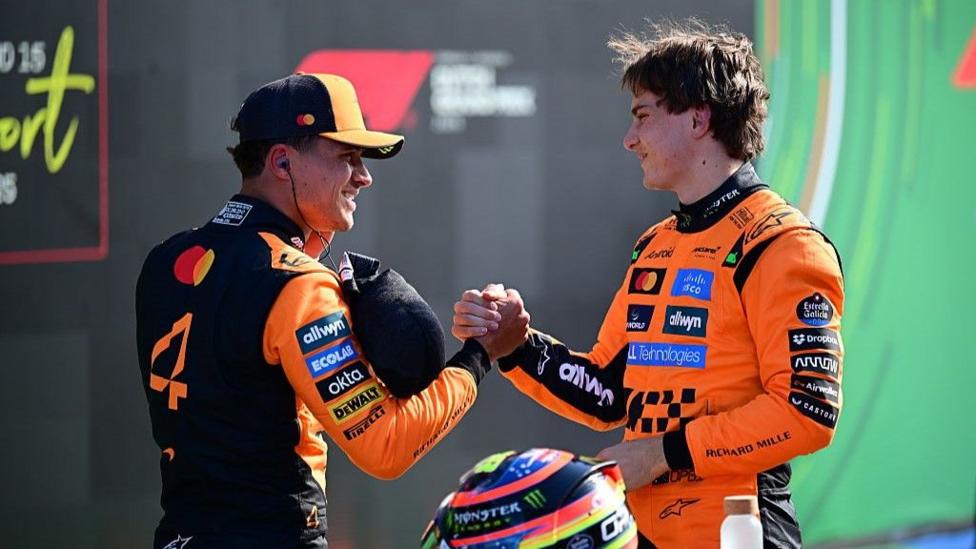
Papaya Rules Decoded: McLaren's Internal Battle Explained
Papaya Rules govern how McLaren's drivers race each other. Here is what the phrase means and why it matters for the F1 championship.
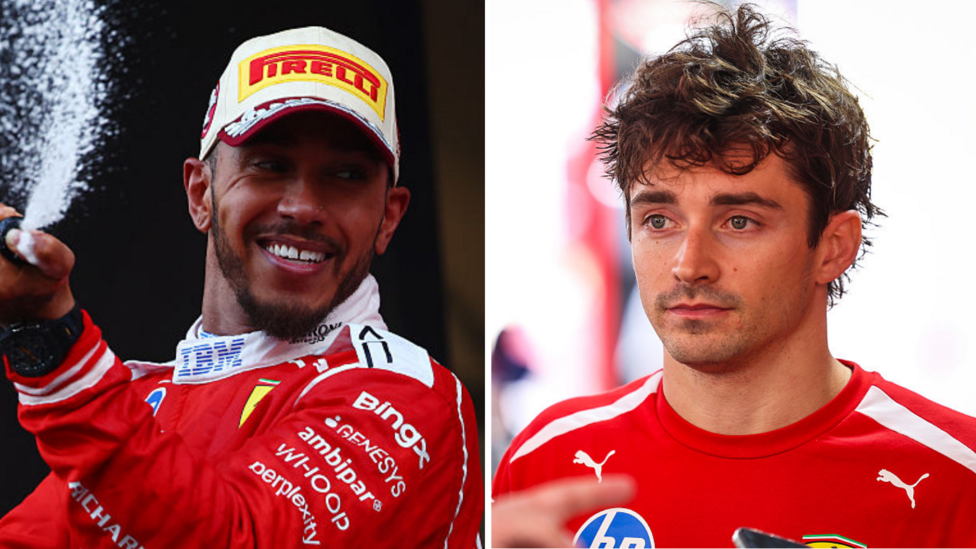
Monaco Magic for Hamilton, Monaco Misery for Leclerc: A Technical Breakdown
Hamilton mastered Monaco's unforgiving streets while Leclerc's home-race curse persists — here's why the car mattered as much as the driver.
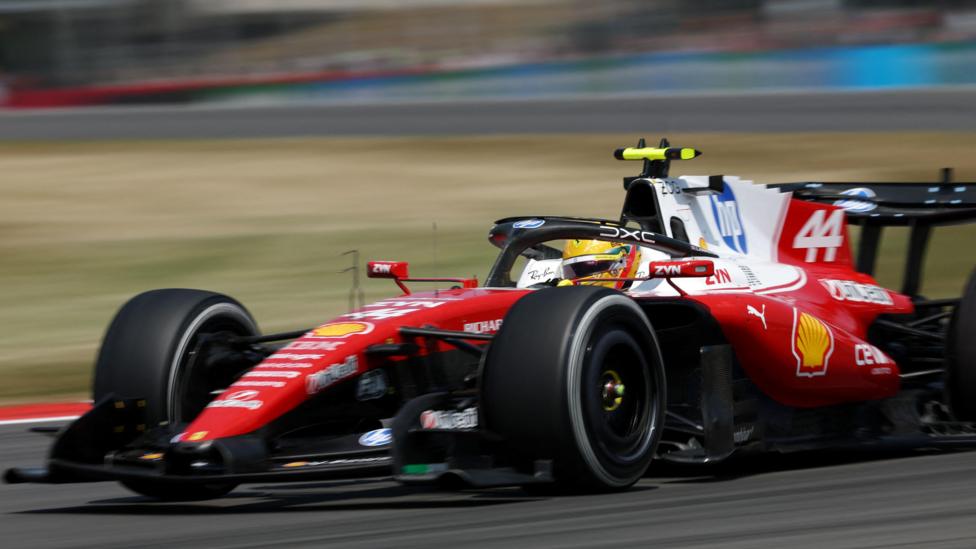
Hamilton's Silverstone Pace: Ferrari's High-Downforce Gambit
Hamilton topping Silverstone practice signals Ferrari's aero upgrade finally clicking on a high-speed circuit.