Parkinson Marks Five Years at Wrexham With unfinished Business
Phil Parkinson reflects on a transformative five-year reign at Wrexham, but warns the Hollywood-backed revolution is far from over.
A Revolutionary Anniversary
Phil Parkinson has reached a milestone few football managers survive long enough to celebrate. Five years at the helm of Wrexham AFC marks a tenure that has transformed the club beyond recognition. From the muddy pitches of non-league football to the bright lights of League One, Parkinson has orchestrated one English football's most dramatic ascents.
The 57-year-old took charge in July 2021, just months after Ryan Reynolds and Rob McElhenney completed their headline-making takeover. What followed was a journey that reads more like a movie script than a sporting achievement, though Reynolds and McElhenney might appreciate the irony.
Parkinson has never been a manager obsessed with the spotlight. His focus has remained fixed on the training ground, the tactics board, and the next fixture. That single-mindedness has delivered three promotions in four seasons, a feat almost unprecedented in English football's modern era.
The Scale of Transformation
When Parkinson arrived at the Racecourse Ground, Wrexham were a National League outfit with fading ambitions and crumbling infrastructure. The club had spent 13 consecutive seasons outside the Football League, a purgatory that felt permanent to generations of supporters.
The landscape looks fundamentally different now. Wrexham are a League One club, operating at English football's third tier and competing against teams with decades of EFL pedigree. The Racecourse Ground has undergone renovations, the fanbase has expanded globally, and institutional ambition courses through every corridor of the club.
Parkinson's reflection on five years arrives with characteristic balance. He acknowledges the progress while simultaneously demanding more. There is no satisfaction, no basking in retrospective glory. Just the quiet, relentless drive that has come to define his managerial personality.
"We have come a long way in five years. But there is still a lot more work ahead of us."
Those close to Parkinson understand this is not merely coach-speak or media-friendly deflection. It is the operating philosophy of a manager who has consistently pushed boundaries at a club that has redefined what is possible under ambitious ownership.
The Tactical Foundation
Parkinson's success at Wrexham has been built on pragmatism rather than romance. His teams are organised, defensively disciplined, and ruthless in transition. This approach has proven devastatingly effective across multiple levels of English football.
National League football demanded physical dominance and set-piece efficiency. Parkinson delivered exactly that, constructing a team capable of grinding out results in conditions far removed from the pristine pitches of the EFL. Promotion via the play-offs in the 2022-23 season was testament to that resilience.
League Two required greater sophistication. Parkinson adapted his tactical framework to incorporate more controlled possession while retaining the defensive solidity that had become his trademark. The result was back-to-back promotions, achieved with a squad seamlessly upgraded to match each level's demands.
Now in League One, Wrexham face their steepest challenge yet. The third tier contains fallen giants, well-funded projects, and clubs with Premier League infrastructure lingering from eras past. Parkinson's current squad sits comfortably in the top half of the table, but the gap to genuine promotion contention remains substantial.
Inside the Dressing Room
The atmosphere inside the Wrexham dressing room remains a study in understated determination. Players speak of a manager who addresses them with precision rather than theatrics, focusing on tactical responsibilities and individual accountability. There are no extended team-bonding sessions or motivational group chats. Just hard work, clear communication, and mutual respect forged through shared adversity.
Parkinson's office at the training complex reflects his methods perfectly. A large tactics board dominates one wall, littered with positional notes and opposition analysis. Composure defines the space, a stark contrast to the sometimes chaotic media narrative surrounding the club.
Staff who have worked with Parkinson across multiple campaigns describe a manager who has evolved his communication style to suit changing squad dynamics. Early Wrexham days demanded messaging that spoke to players fighting for recognition. Now, with higher-calibre signings arriving each transfer window, Parkinson balances the cultural backbone of the club against the technical demands of a rising operation.
Sustaining the Dream
Three promotions in four seasons creates a logistical puzzle no Hollywood scriptwriter could solve alone. Transfer budgets must rise accordingly, and player wages must scale up to attract talent capable of competing at higher levels. The infrastructure must keep expanding to accommodate the gap between romantic underdog story and sustainable football institution.
Reynolds and McElhenney have backed Parkinson with their financial clout, but the ceiling of their ambition remains a moving target. The owners' vision extends far beyond simply reaching the Championship or Premier League. They are building an institution equipped to stay there, rooted in the community of north Wales while commanding a global audience.
Parkinson's role in that vision cannot be overstated. He provides the footballing credibility to balance the owners' celebrity profile. His measured presence in press conferences, tactical acumen on the touchline, and steady hand in the transfer market offer a counterbalance to the sensationalism that has occasionally surrounded Wrexham's rise.
What It Means
Parkinson's five-year reflection matters because it signals both achievement and intent. Wrexham have climbed from the fifth tier of English football to the third, a trajectory few clubs have matched in such compressed timeframes. The manager who oversaw that climb is not planning to slow down.
The immediate challenge is consolidating Wrexham's place in League One while building towards a credible promotion push. The gap between the top half and the play-off places is measurable but bridgeable with the right recruitment and continued tactical evolution.
Beyond fixtures and league tables, Parkinson's longevity represents stability rarely seen at clubs owned by high-profile figures. The temptation to bring Overhauls, to splash cash on marquee names, to chase short-term headlines has been resisted. In its place stands a methodical, evidence-based approach to building a football club from the ground up.
Five years at one club is an eternity in modern football. For Phil Parkinson and Wrexham, it represents merely the opening chapters of a story still being written. The foundations are undeniable. The ambition remains unquenched. And as Parkinson himself insists, the work is far from finished.
Editorial Integrity
This is an original SportPulse article written by our editorial team. All content is independently researched, written, and reviewed by our writers and editors before publication. We do not publish copied, aggregated, or syndicated content.
SportPulse is committed to original sports journalism. Read our editorial policy or contact us with any questions.
More Like This
All football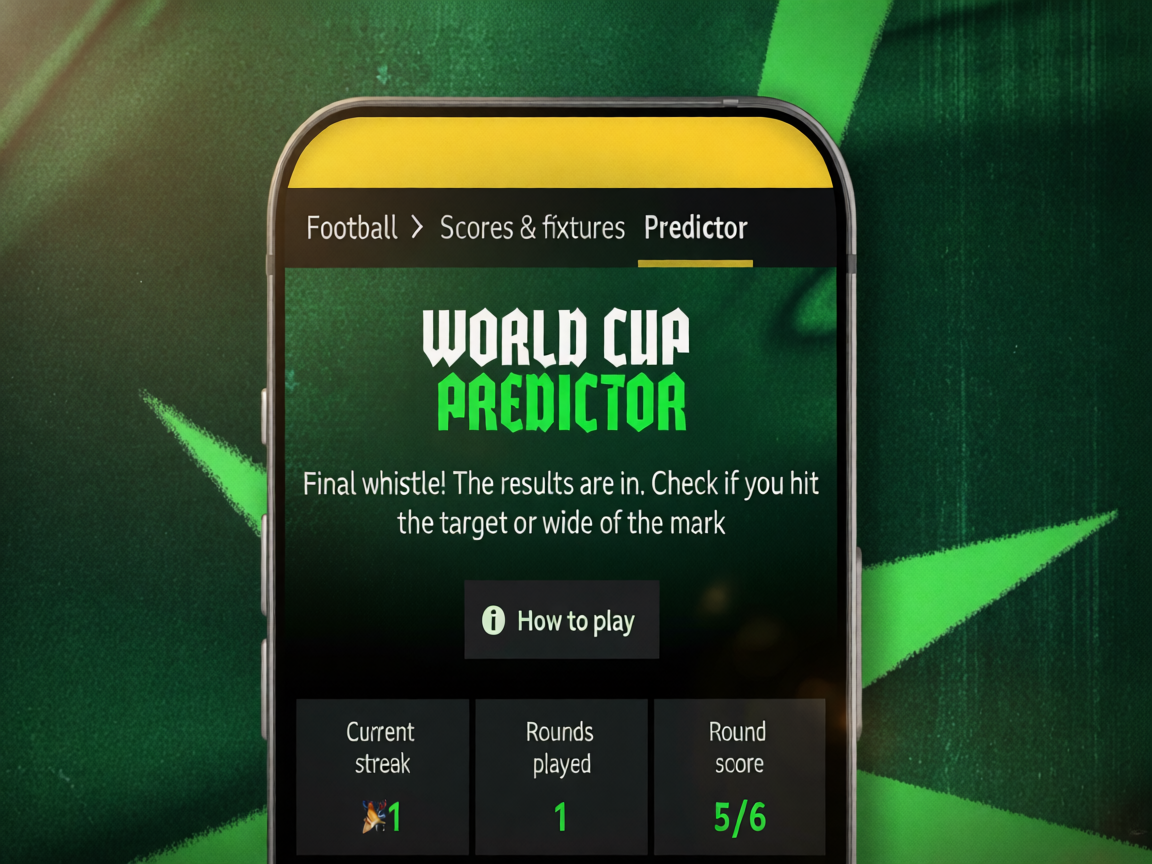
Predicting the Future: How World Cup Games Are Redefining Fandom
Digital prediction games are transforming passive viewership into active engagement for global football tournaments.
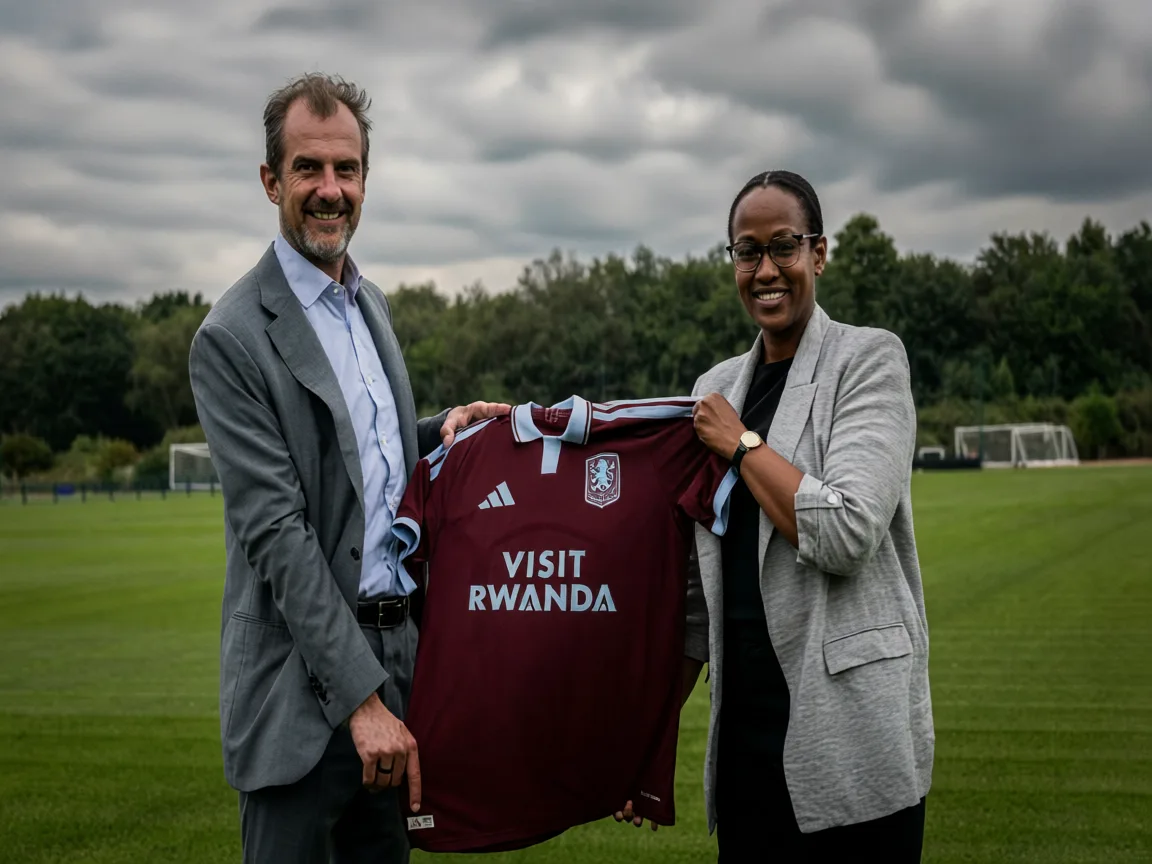
Aston Villa's £20m Rwanda Deal Forces Football to Face Its Sportswashing Problem Again
Villa's lucrative Visit Rwanda sponsorship raises uncomfortable questions about football's willingness to trade ethics for cash.
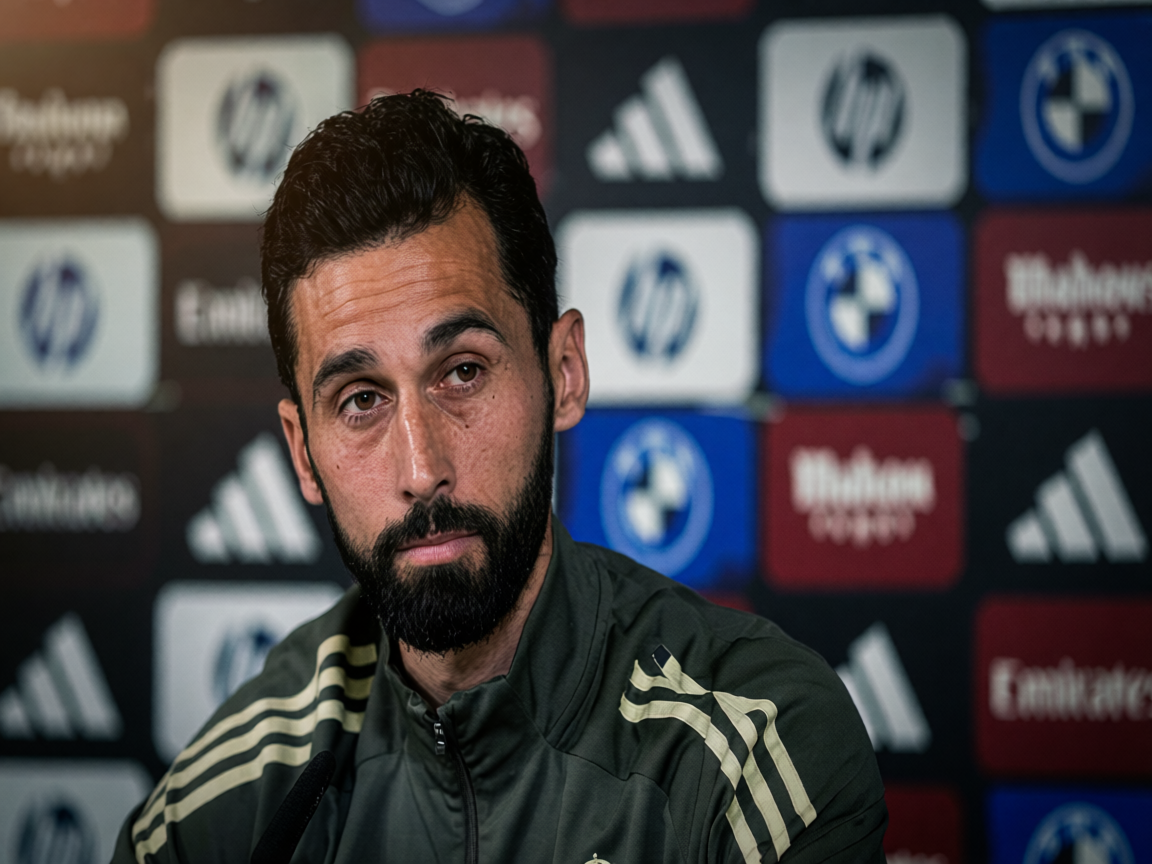
Arbelola Era Begins: Fulham Bet on Disciple Over disruption
Fulham appoint Alvaro Arbeloa as Silva's successor on a three-year deal, betting on tactical continuity over transformation.