Predicting the Future: How World Cup Games Are Redefining Fandom
Digital prediction games are transforming passive viewership into active engagement for global football tournaments.
The Gamification of Global Spectacle
The modern football fan no longer sits passively on the couch. They are analysts, strategists, and participants in a digital theater that mirrors the pitch itself. BBC Sport’s latest initiative invites users to play a new World Cup predictor game for a chance to win a signed football. This simple premise masks a deeper shift in how major sporting events are consumed.
It is not just about guessing scores. It is about validating knowledge. In an era where data analytics dominates locker rooms, fans demand the same rigor for their viewing experience. The promise of a tangible reward, like a signed memorabilia item, adds a layer of stakes that transcends mere entertainment.
This trend reflects a broader industry movement. Sports media organizations are increasingly integrating interactive elements into their coverage. The goal is to keep audiences engaged long after the final whistle blows. For the World Cup, this means extending the lifecycle of excitement from three weeks to months of anticipation.
Beyond the Scoreline
Traditional prediction markets relied on financial risk. You bet money, you risk loss, you celebrate wins. The new wave of predictor games democratizes this thrill. By removing the monetary barrier, platforms like BBC Sport lower the entry point for casual viewers. A teenager in London can compete with a statistician in Tokyo for the same prize.
The mechanics are deceptively simple but psychologically complex. Users must predict outcomes based on form, history, and tactical matchups. This requires a level of engagement that passive watching does not. It forces the viewer to study team news, analyze recent performances, and consider contextual factors like travel fatigue or weather conditions.
The reward structure is also evolving. While cash prizes remain common in betting markets, non-monetary rewards like signed kits or exclusive access create a different kind of loyalty. These items serve as badges of honor within the fan community. They signify that the owner did not just watch the game; they understood it deeply enough to predict its outcome.
The Psychology of Participation
Why do fans crave this level of involvement? The answer lies in the need for agency. In a sport governed by chaos and unpredictability, prediction games offer a semblance of control. Even if the prediction is wrong, the act of making it provides a sense of contribution to the narrative.
This is particularly potent during mega-events like the World Cup. The global stage amplifies every interaction. When millions of people are playing the same predictor game simultaneously, it creates a shared social experience. Friends debate tactics online. Colleagues compare predictions at the water cooler. The game becomes a social lubricant, bridging gaps between diverse fan bases.
The cognitive load involved in these games keeps the brain active. It prevents the mind from wandering during lulls in play. Instead of checking social media or zoning out, the engaged fan is mentally recalibrating their strategy for the next round. This sustained attention benefits broadcasters who see higher retention rates during matches involving active participants.
Tactical Analysis Meets Digital Interface
The best predictor games do more than ask for a score. They require tactical justification. Some platforms now integrate real-time data feeds that allow users to adjust predictions based on live match events. This blurs the line between pre-match analysis and in-game reaction.
Consider the impact of a red card or an early goal. A static prediction becomes obsolete instantly. Dynamic predictors allow users to adapt, mirroring the in-game decisions of coaches. This adds a layer of realism that static quizzes lack. It transforms the user from a spectator into a virtual manager.
Data visualization plays a crucial role here. Presenting historical head-to-head records, expected goals (xG) metrics, and player availability helps users make informed choices. The interface must be intuitive yet robust. Cluttered screens lead to errors. Clean, data-rich designs encourage deeper engagement.
The Value of Memorabilia
Winning a signed football is not just about owning an object. It is about connecting with the sport’s heroes. In the digital age, physical tokens hold increasing value as scarce commodities. As merchandise becomes mass-produced and automated, a hand-signed item represents human effort and authenticity.
For the winner of a predictor game, the signed ball serves as proof of their expertise. It is a tangible representation of their knowledge and luck. This emotional connection fosters brand loyalty. Fans are more likely to return to a platform that offers such meaningful rewards.
Media outlets understand this dynamic. They leverage these rewards to drive traffic and user acquisition. The cost of a few signed balls is negligible compared to the lifetime value of a highly engaged, returning user. It is a marketing strategy rooted in gamification psychology.
Looking Ahead to the Next Tournament
As the next World Cup approaches, expect these predictor games to become more sophisticated. Artificial intelligence may offer personalized insights based on individual user behavior. Augmented reality could overlay prediction interfaces onto live broadcasts.
The integration of social features will likely deepen. Users might form leagues, share strategies, and compete against friends directly within the app. The communal aspect of football fandom will be amplified through digital tools.
Broadcasters will continue to push the boundaries of interactivity. The line between content consumption and content creation will vanish. Fans will not just watch the World Cup; they will play it, analyze it, and predict it with every passing minute.
What It Means
The rise of World Cup predictor games signifies a fundamental change in sports media. Passive viewership is dying. Active participation is the new standard. Brands that fail to engage fans on this level risk irrelevance in a crowded digital landscape.
For fans, it means more than just a chance to win a prize. It means a deeper, more rewarding connection to the beautiful game. Every prediction is a vote of confidence in their understanding of football. Every correct call is a small victory in a global contest of wits.
The signed football is merely the trophy. The real prize is the enhanced experience of being part of the world’s biggest sporting event. It turns spectators into stakeholders. And in doing so, it ensures that the passion of football burns brighter than ever before.
This shift benefits everyone. Leagues gain engaged audiences. Media outlets gain loyal users. And fans gain a voice in the narrative. The future of football is not just played on the pitch. It is predicted, analyzed, and celebrated in the digital spaces we inhabit daily.
Editorial Integrity
This is an original SportPulse article written by our editorial team. All content is independently researched, written, and reviewed by our writers and editors before publication. We do not publish copied, aggregated, or syndicated content.
SportPulse is committed to original sports journalism. Read our editorial policy or contact us with any questions.
More Like This
All football
Leeds Invest £34.1m in Muharemovic: A Strategic Defensive Overhaul
Leeds United's record signing of Tarik Muharemovic from Sassuolo signals a tactical shift toward continental defensive sophistication under Daniel Farke.
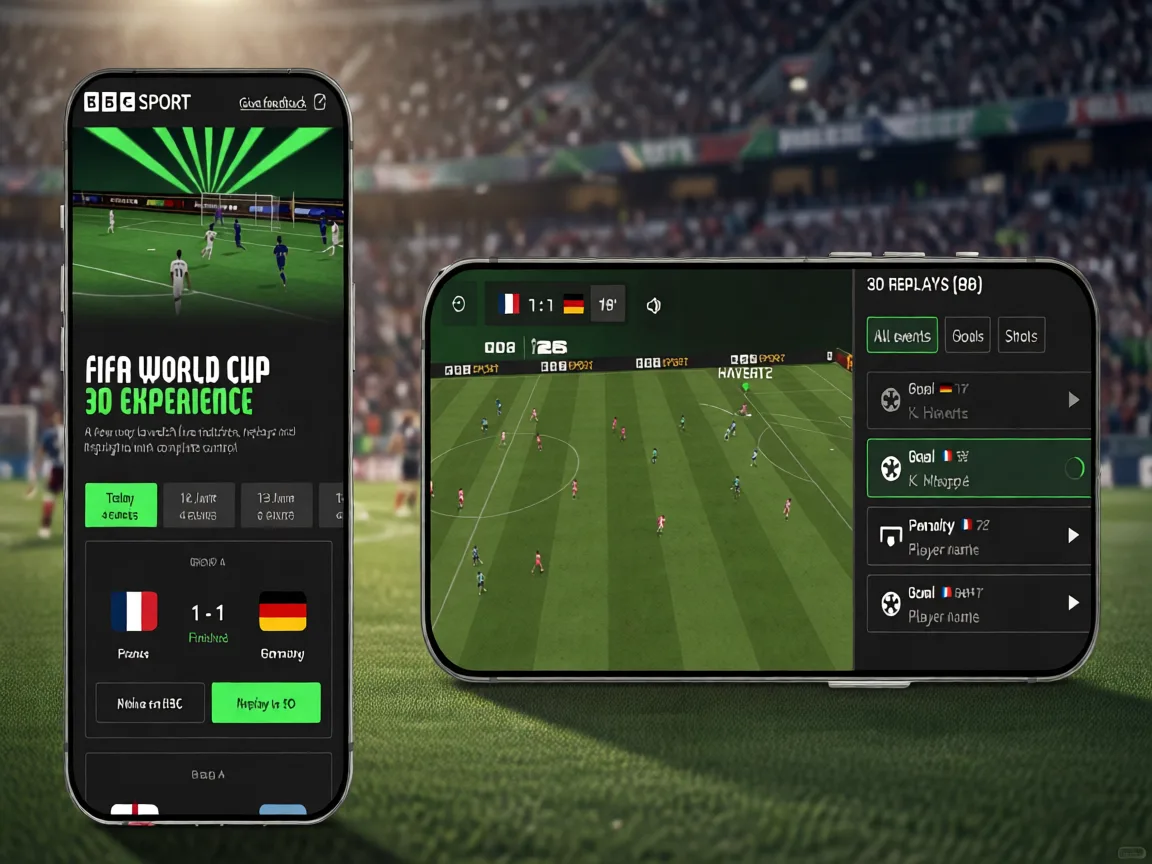
Reliving the World Cup Final Through Eleven Pairs of Eyes
360-degree tactical replay technology lets us dissect the World Cup final from every spatial and positional angle imaginable.
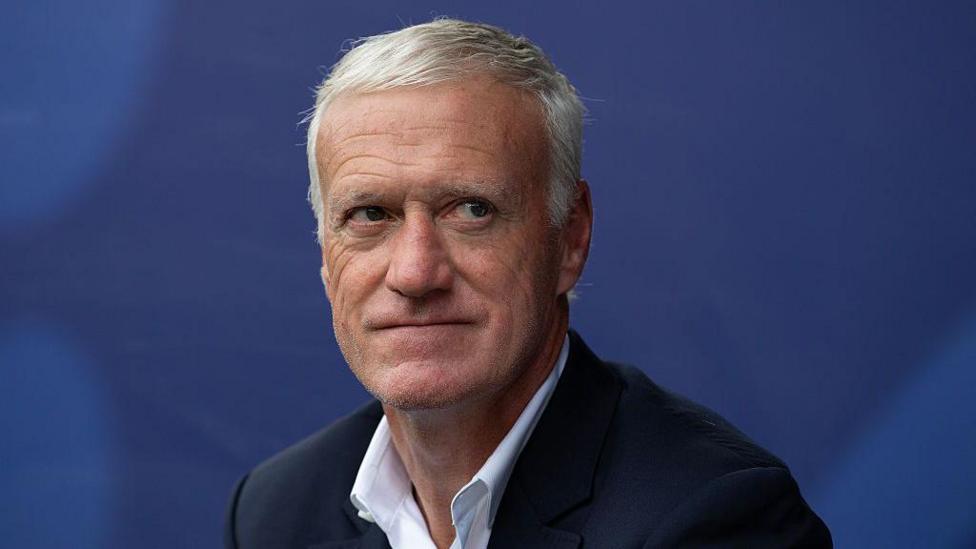
Deschamps Leaves France Camp After Mother's Death
France's World Cup preparations face an emotional jolt as Didier Deschamps departs to mourn his mother.