Philip Doyle, the Coach Who Changed Irish Women's Rugby Forever, Dies at 61
The architect of Ireland's 2013 Women's Six Nations Grand Slam leaves a legacy that reshaped the sport.
The Man Behind a Revolution
There is a moment in sport that transcends the final whistle. For Irish women's rugby, that moment arrived on St. Patrick's Day weekend, 2013, when Ireland completed a Grand Slam in the Women's Six Nations and the nation, briefly but unmistakably, turned its gaze toward a team that had spent decades fighting for scraps of attention.
The man who orchestrated it all, Philip Doyle, has died at the age of 61.
His passing closes a chapter on one of the most transformative coaching tenures in the history of Irish rugby, men's or women's. Doyle didn't just win trophies. He dragged an entire program out of obscurity and into the national consciousness, proving that investment, belief, and tactical sharpness could overcome institutional neglect.
Building From Nothing
To understand what Doyle achieved, you have to understand where Irish women's rugby sat before he arrived. It was, to put it bluntly, an afterthought. Funding was thin. Media coverage was thinner. Player pathways were tangled in bureaucracy and indifference.
Doyle saw something others didn't. He saw a group of players with raw athleticism and fierce determination who simply needed structure, belief, and a coach willing to demand professional standards from an amateur setup.
"Philip didn't coach you like it was women's rugby. He coached you like it was the only rugby that mattered. That was his gift." — Recollections from players who worked under Doyle paint a picture of a meticulous, demanding figure who refused to accept the limitations others placed on the program.
He built his systems methodically. Defensive structures were tightened. Set-piece efficiency became a non-negotiable. And crucially, Doyle instilled a mentality that Ireland could compete with England and France, the traditional powerhouses of the tournament.
The Grand Slam That Changed Everything
The 2013 Women's Six Nations remains the crowning achievement. Ireland won all five matches, defeating England, France, Scotland, Wales, and Italy to claim the Grand Slam.
It was not a fluke. It was not a lucky run. It was the culmination of years of incremental progress under a coach who understood that sustainable success required patience married to ambition.
The key results of the 2013 Grand Slam campaign:
- Ireland 25-0 Scotland at Ashbourne
- Ireland 30-3 Wales in Cardiff
- Ireland 12-7 England at Twickenham Stoop
- Ireland 15-10 France at Ashbourne
- Ireland 6-3 Italy in Milan to seal the title
That victory over England stands out as the defining moment. England were the reigning champions and heavy favorites. Ireland traveled to the Twickenham Stoop with little fanfare and returned with a statement win that reverberated across European rugby.
The final match against Italy in Milan was tense, tight, and ultimately triumphant. A 6-3 scoreline told the story of a team that had learned to win ugly when necessary, a hallmark of Doyle's coaching philosophy.
Beyond the Grand Slam: The 2014 World Cup
Doyle's impact extended beyond the Six Nations. At the 2014 Women's Rugby World Cup, held in France, Ireland delivered performances that stunned the global rugby community.
The pool-stage victory over New Zealand, the undisputed queens of women's rugby, was perhaps the most seismic result in the history of the Irish women's program. The Black Ferns had won four consecutive World Cups. Ireland, a nation with a fraction of the resources and player pool, found a way.
Doyle's tactical blueprint for that match was forensic. He identified weaknesses in New Zealand's defensive alignment and designed a game plan that exploited transitional moments. Ireland's forwards were ferocious at the breakdown. The defensive system suffocated New Zealand's vaunted attack.
Ireland ultimately finished fourth in that tournament, their best-ever World Cup result. It was the peak of the Doyle era and a performance that cemented his reputation as one of the shrewdest tactical minds in women's rugby.
The Coaching Philosophy
What made Doyle different? Players and analysts who studied his methods point to several defining traits.
Pragmatism over flair. Doyle never tried to play champagne rugby for the sake of aesthetics. He understood that Ireland's competitive advantage lay in defensive solidity, set-piece dominance, and the ability to control territory. His teams were organized, disciplined, and ruthlessly efficient.
Attention to detail. Former players have described training sessions under Doyle as exhaustive in their preparation. Every lineout call, every defensive read, every kicking option was drilled until it became instinct.
Psychological edge. Perhaps his greatest skill was convincing players they could compete at the highest level. In an era when Irish women's rugby received minimal institutional support, Doyle created a siege mentality that bonded the squad together. The sense that they were fighting not just opponents but systemic indifference became a source of fuel rather than frustration.
A Legacy Measured in Growth
The ripple effects of Doyle's tenure are still visible today. The Irish women's rugby program has continued to grow since his departure following the 2014 World Cup. Investment has increased. Professional contracts have been introduced. The visibility of the women's game in Ireland has expanded significantly.
None of that happens without the proof of concept that Doyle provided. The 2013 Grand Slam demonstrated to administrators, sponsors, and fans that Irish women's rugby was worth investing in. It showed that the talent existed. It showed that the appetite existed. It showed that with the right coaching and the right structures, Ireland could compete at the highest level.
The current generation of Irish women's rugby players, many of whom grew up watching that 2013 Grand Slam campaign, stand on foundations that Doyle laid.
Tributes and Reflection
The rugby community has responded to Doyle's passing with an outpouring of grief and gratitude. Irish Rugby and the IRFU led tributes, acknowledging his extraordinary contribution to the women's game.
Former players, teammates, and colleagues have shared memories of a man who was, by all accounts, deeply committed to his craft and fiercely protective of the players under his charge.
At 61, Doyle's death feels premature. He had decades of wisdom and experience still to offer the sport. But the legacy he leaves is immense: a Grand Slam, a World Cup campaign that defied logic, and a generation of players who learned from one of the best.
What Doyle Taught Us
Sport has a habit of forgetting its builders. The flashier moments, the bigger names, the louder narratives tend to drown out the quieter figures who do the painstaking work of creating something from nothing.
Philip Doyle was one of those builders. He took a program that existed in the margins and gave it identity, purpose, and ultimately, glory. He proved that coaching excellence is not the exclusive domain of well-funded, high-profile setups.
In a sporting landscape increasingly dominated by money and celebrity, Doyle's story is a reminder that vision, commitment, and tactical intelligence remain the most valuable currencies in coaching.
Irish women's rugby lost its architect. The game, across the world, lost one of its true believers.
Rest in peace, Philip Doyle. 61 years old. One Grand Slam. One legacy that endures.
Editorial Integrity
This is an original SportPulse article written by our editorial team. All content is independently researched, written, and reviewed by our writers and editors before publication. We do not publish copied, aggregated, or syndicated content.
SportPulse is committed to original sports journalism. Read our editorial policy or contact us with any questions.
More Like This
All long-reads
Mahomes Breaks the $500m Barrier
Patrick Mahomes becomes American football's first $500m player, restructuring the financial and tactical architecture of the NFL.
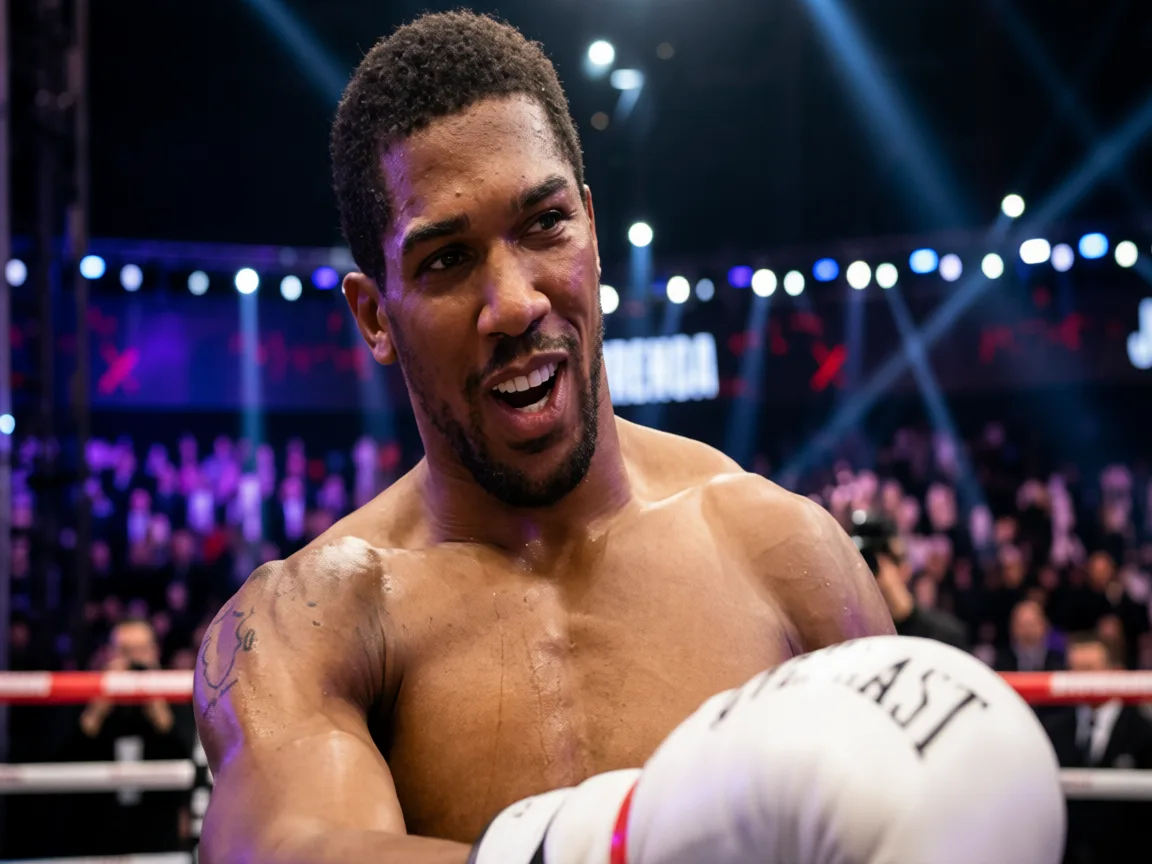
Joshua Climbs Off Canvas Twice to Flatten Prenga in Round Two
Two knockdowns inside the opener could have ended his night. Anthony Joshua refused to let it.
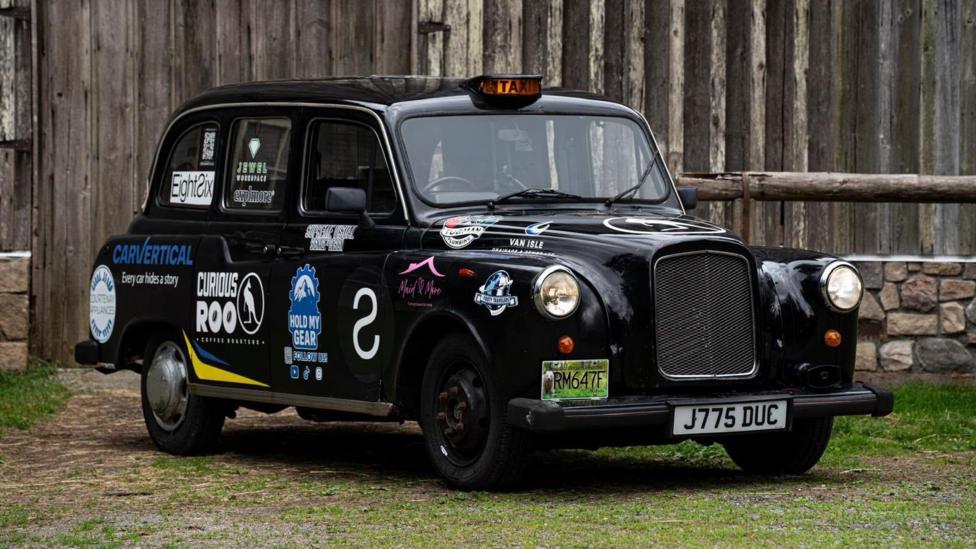
Driving 16 World Cup Stadiums in a London Taxi: The Ultimate Road Trip
Two Englishmen are attempting to visit all 16 World Cup 2026 venues in a traditional London cab. It is a logistical nightmare and a brilliant stunt.