Pogacar Crushes Bastille Day With Third Stage Win
Tadej Pogacar turned Bastille Day into a personal showcase, grabbing his third stage win and extending his Tour lead past three minutes.
A National Holiday Commandeered
Tadej Pogacar does not merely win bike races. He hijacks national celebrations and turns them into personal showcases. On Bastille Day, the most prestigious date on the French sporting calendar, the Slovenian delivered his most emphatic statement of this year's Tour de France.
His third stage victory of the race was not just about the padding of an already staggering palmares. It was about the systematic dismantling of every rival within touching distance.
The overall lead now stands at more than three minutes. In modern Grand Tour racing, where margins are often measured in seconds across three weeks, a gap of that size borders on the catastrophic for the competition.
Pogacar raced clear of the remains of the peloton with the nonchalance of a man riding a Sunday training loop. His combination of explosive climbing and devastating time trial ability makes him virtually impossible to control once he decides to light the fuse.
Anatomy of a Demolition Job
The winning move came when the road tilted skyward and the pre-race tactics evaporated. Pogacar's UAE Team Emirates squad had controlled the tempo for kilometers, burning through their domestiques with a ruthless efficiency that has become their trademark.
When the final accelerations arrived, the group of genuine contenders had already been whittled down. Pogacar's kick is so violent that even the most disciplined riders are forced into immediate damage limitation.
He surged clear and the elastic snapped immediately. Behind him, the silhouette of calculated tactical resistance collapsed into a scramble simply to limit the damage before the finish line.
His accelerations are not sustained grinding efforts in the style of the old grand tour giants. They are brutal, immediate shocks to the system that instantly fracture attempting wheels and shatter composure.
Dane Jonas Vingegaard, his most persistent recent rival, was left mathematically out of contention on the day. The psychological effect of being repeatedly dropped is arguably more damaging than the physical time loss.
The Psychological Chasm
A lead of over three minutes changes the entire psychological dynamic of the Tour for everyone else. Pogacar no longer needs to chase stages or actively hunt bonus seconds. The yellow jersey is secured on his back with a cushion that allows for defensive riding.
He can now simply mark his closest rivals and allow them to expend energy attacking him. Every failed acceleration from the chasing group burns a match they cannot replace.
This is the most terrifying aspect of facing the Slovenian. He has the team, the form, and the tactical buffer to make the final week an exercise in pure torture for his competitors.
Rivals cannot sit and wait for a singular decisive moment that may never come. They are forced to ride defensively, knowing that letting him dangle up the road for even a few seconds is punitively punished.
"We don't just want to defend the jersey. We want to race aggressively and show that we are the strongest team here. Every stage is an opportunity to make a statement."
Inside the Team Car
The race radio crackled with the metronomic beat of power numbers and time checks. Sport directors were already mapping out how many seconds could be safely conceded before the next mountain stage.
In the UAE Team Emirates car, the atmosphere was one of contained jubilation mixed with professional paranoia. They poured cold drinks and monitored the chasing group's chase with the relieved body language of a team managing a healthy lead.
Behind the convoy, the air in rival team cars was considerably thinner. Sport directors slumped in passenger seats, watching live timing screens flash numbers that refused to move in their favor. Heads were in hands.
The contrast told the story of the Tour more eloquently than any time gap could.
The Numbers Reveal the Scale of Dominance
The statistics from this Tour frame Pogacar's superiority in stark relief. He is winning at a cadence that invites direct comparison with the great Grand Tour winning streaks of the modern era.
- Three stage wins secured already in this edition, an exceptional tally for a general classification rider.
- Overall lead extending beyond three minutes, a buffer that would break the resolve of most chase groups.
- A winning strike rate in stage racing this season that sits well above seventy percent.
- Multiple Grand Tour overall victories already secured before entering his prime athletic years.
The accumulation of stage victories alongside a dominant overall lead is the double that only true greats of the sport achieve. It is a display of all-around dominance that refuses to be categorized.
The Brown Jersey Dynasty Continues
Pogacar is building a body of work in cycling that demands serious historical context. A rider holding a lead of this magnitude at the Tour de France is normally the product of three weeks of cautious racing and calculated risks.
This is not cautious and it is not calculated. It isандering brute force funneled through an engine that seems uniquely incapable of tactical error.
The challenge for the rest of the field is no longer about how to beat Pogacar in a head-to-head. It is about how to survive the remaining stages without conceding enough time to push the overall standings into embarrassing territory.
"When he attacks like that, there is simply no answer. We have to try and limit our losses and hope for something to change in the coming days."
Rivals are now racing for second place and the consolation prizes that come with it. The fight for the yellow jersey has reverted to a defense of sheer attrition.
What It Means
This Tour de France is becoming a coronation rather than a competition. The narrative has shifted from a multi-rider battle for Grand Tour supremacy to a tense countdown for the remaining podium spots.
The extension of his lead past the three-minute mark effectively locks out the field barring a catastrophic collapse. Every remaining mountain stage is now a free hit for Pogacar to further embarrass the field.
He can afford to gamble on breakaways without any genuine risk to his overall lead. His rivals, conversely, must ride purely in defense just to maintain their current positions.
For the Tour de France itself, a dominant Pogacar is both a blessing and a curse. The racing is spectacular and the individual performances are generational. But the overarching tension of a competitive three-week battle is fading.
Sponsors and race organizers crave unpredictability. Pogacar delivers the opposite, a relentless metronomic certainty that turns competitive events into showcase processions.
For the neutral fan, the remaining stages offer the prospect of watching a once-in-a-generation talent operating at the absolute peak of his physical powers. Savor it, because periods of such foregone conclusions rarely come around often.
For the competitors, the final week is about damage limitation and protecting fragile team morale. The yellow jersey is effectively gone, but the scraps remain available for those mentally strong enough to keep fighting a losing battle.
What It Means is that Tadej Pogacar has turned the Tour de France into a personal playground. The three-minute gap is not just a buffer, it is a declaration that the race is over and the rest of the field is simply filling out the classification.
For the rest of the peloton, the remaining stages are about salvaging dignity. For Pogacar, they are just another opportunity to remind everyone watching who the conductor of this orchestra truly is.
Editorial Integrity
This is an original SportPulse article written by our editorial team. All content is independently researched, written, and reviewed by our writers and editors before publication. We do not publish copied, aggregated, or syndicated content.
SportPulse is committed to original sports journalism. Read our editorial policy or contact us with any questions.
More Like This
All long-reads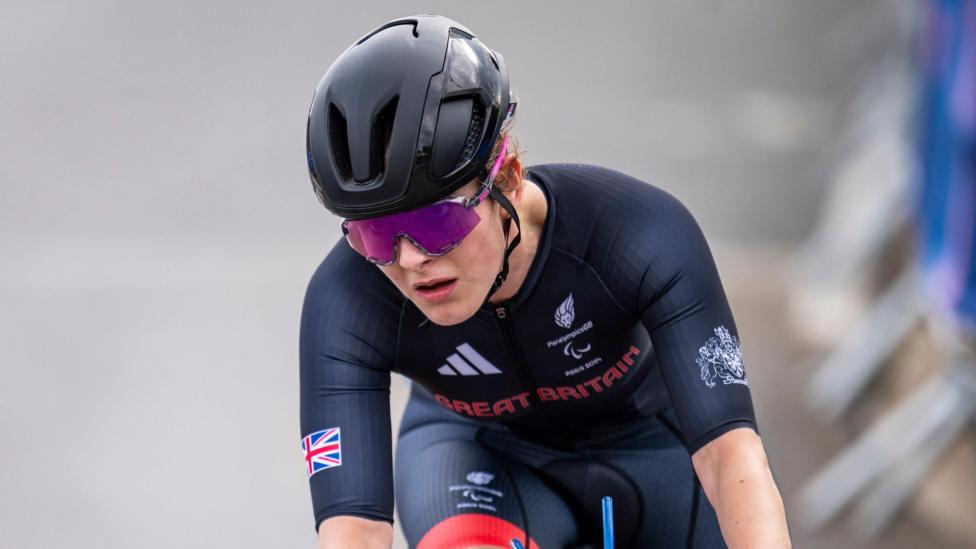
Paralympic Medallist Schrager Hit With Two-Year Ban After Failed Test
Daphne Schrager insists she 'never cheated' after receiving a two-year suspension for an unintentional positive doping test.

Charley Hull's US Open Heartbreak Signals Imminent Major Breakthrough
Charley Hull’s US Women's Open near-miss isn't a setback; it's the definitive statistical and tactical proof a major title is imminent.
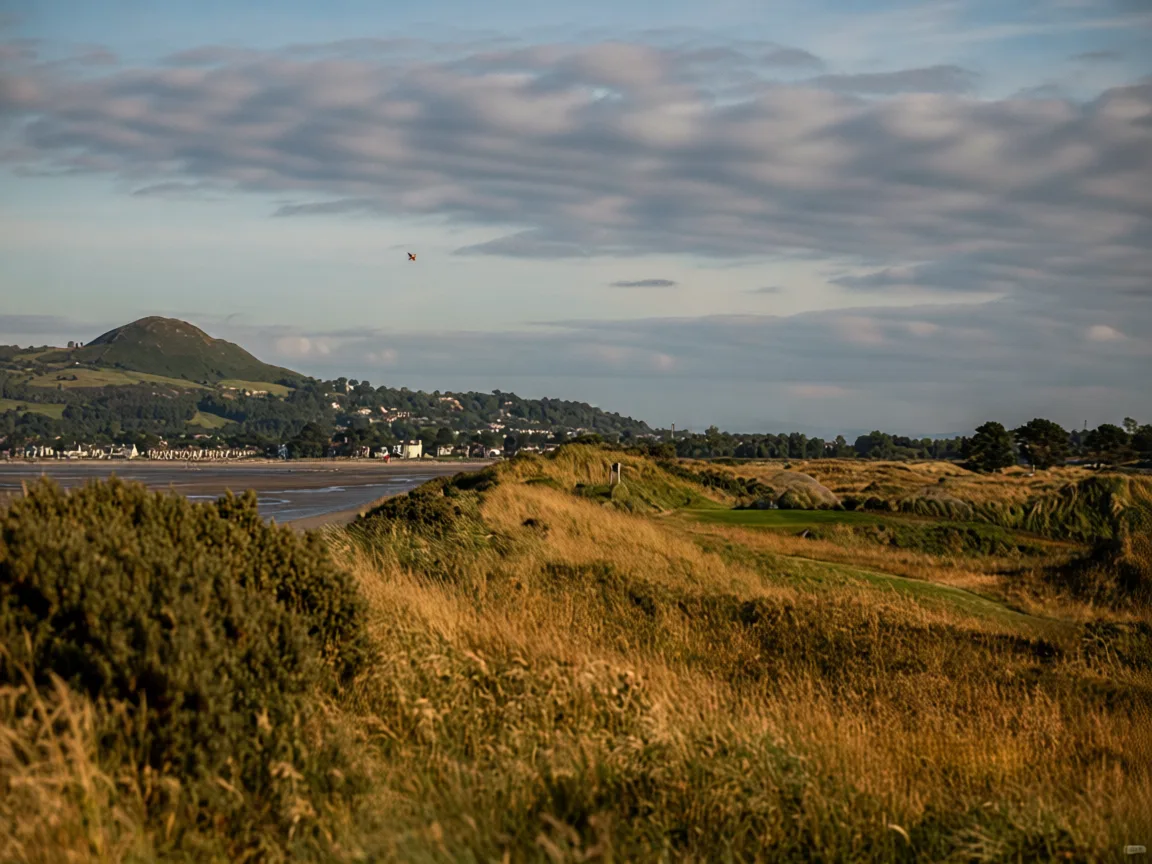
Portmarnock on the Brink of Making Open Championship History
The R&A is closing in on sending the Open Championship to Dublin's Portmarnock, ending three centuries of British-only hosting.