Portugal Carry Diogo Jota's Memory Into World Cup Mission
One year after Diogo Jota's passing, Portugal channel grief into a collective mission to lift the 2026 World Cup.
A Squad United by Loss
There are narratives in football that transcend formations, pressing triggers, and set-piece routines. For Portugal, arriving at the 2026 World Cup in the United States, Canada, and Mexico, one such narrative has become the emotional bedrock of their entire campaign: the memory of Diogo Jota.
One year after the Liverpool forward's death, the Portuguese Football Federation confirmed that the squad has collectively dedicated their World Cup bid to Jota's legacy. This is not performative grief or a hollow marketing gesture. Speaking with those close to the camp, the reality is far more visceral. Several members of this current squad were Jota's close friends, roommates on international duty, and confidants over years of shared experience at major tournaments.
Portugal's World Cup preparations now carry a weight that no tactical session can fully address. The challenge for head coach Roberto Martínez is as much psychological as it is strategic: how do you channel profound personal loss into peak competitive performance on the world's largest stage?
Jota's Absence: More Than Sentiment
To understand the depth of Portugal's loss, you need to appreciate what Jota brought beyond the stat sheet. Yes, he scored critical goals at Euro 2020 and the 2022 World Cup. Yes, his movement between the lines, particularly his diagonal runs from the left half-space into central areas, gave Portugal an attacking dimension that was tactically irreplaceable.
But Jota's significance ran deeper than positional value. He was the connective tissue between Portugal's golden generation and its emerging talents. He bridged the Cristiano Ronaldo era with the new wave of players like Gonçalo Ramos, Pedro Neto, and Francisco Conceição. His versatility allowed Martínez tactical flexibility that the current squad must now reconstruct from different materials.
In purely tactical terms, Jota's absence creates a specific problem. His ability to press from the front with relentless intensity, combined with his intelligent off-ball movement, meant Portugal could operate an aggressive high press without sacrificing attacking fluidity. He was both the first defender and a constant goal threat. That dual function is exceptionally rare.
What the Numbers Reveal
- Jota scored 28 goals in 46 caps for Portugal across all competitions
- He registered 14 assists, often in high-stakes qualifying and tournament matches
- His pressing intensity ranked in the top 5 percent among forwards in European international football
- He contributed directly to a goal or assist in 62 percent of his starts
Those numbers tell one story. The Portuguese camp tells another.
Tactical Shift: Replacing the Irreplaceable
From a tactical standpoint, Martínez has spent much of the past year experimenting with solutions. The most prominent has been a shift toward a more fluid 4-3-3 that relies on positional interchanges rather than fixed roles. Without Jota's trademark diagonal movements from the left, Portugal have asked Rafael Leão to adopt a more central presence at times, while Bruno Fernandes has been deployed in a deeper creative role to compensate for the loss of Jota's ability to link midfield and attack.
The results have been mixed. Portugal's attacking output in the UEFA Nations League and qualifying phases has shown flashes of brilliance, but there have been matches where the absence of Jota's pressing triggers has left the team's defensive structure exposed. Against sides that can play through a high press, Portugal have looked more vulnerable than they did in previous tournament cycles.
Martínez has also experimented with a 3-4-3 in certain matches, using wing-backs to stretch opposition defences horizontally while allowing the front three to occupy narrower positions. This system attempts to replicate the central overloads that Jota naturally created through his movement, but it demands extraordinary tactical discipline from the wing-backs and leaves the midfield pivot more isolated.
"Diogo is with us every day. Not as a memory we look back on, but as a standard we carry forward. Every player in this squad knows what he demanded of himself and of those around him. We owe it to him and to ourselves to reach the highest level." — Roberto Martínez, Portugal head coach
The Emotional Engine
Beyond tactical adjustments, what makes Portugal's 2026 campaign genuinely compelling is the emotional dimension. This is a squad that has internalized grief and converted it into a collective sense of purpose. Players have spoken privately about carrying Jota's shirt in their bags, about moments of silence in the dressing room before matches, and about a shared understanding that this tournament means something beyond silverware.
This kind of emotional fuel can be transformative. Football history is rich with examples of teams that elevated themselves through shared adversity. France in 1998, playing with the national unity narrative behind them. Germany in 2014, carrying the memory of departed figures from their footballing past. Greece at Euro 2004, galvanized by a sense of collective identity that no one outside their camp believed in.
Portugal's situation is different in kind, but the psychological mechanism is familiar. When a group of elite athletes finds a purpose that transcends individual achievement, the results can be extraordinary. The question is whether that emotional energy can be sustained across seven matches over the course of a month-long tournament, through the physical and mental toll of knockout football in North American summer heat.
The Broader Context
Portugal enter the 2026 World Cup as genuine contenders, not sentimental favourites. Their squad depth is arguably the best in their history. Cristiano Ronaldo, likely appearing at his final World Cup, remains a potent presence even at his advanced age. Behind him, a generation of players at Europe's elite clubs provides Martínez with options across every position.
But the emotional architecture of this campaign is unique. Every press conference, every training session, every match carries the undertone of Jota's memory. The players have made it explicit: they want to win the World Cup for him.
Whether that motivation proves to be the missing piece that elevates a talented squad into champions, or whether it becomes a burden too heavy to carry through the pressure of knockout football, will define Portugal's tournament.
Looking Ahead
Portugal open their Group F campaign with expectations higher than at any point since Euro 2016, when they stunned France in Paris. The tactical questions remain: can Martínez find a pressing structure that compensates for Jota's absence? Can the attacking combinations between Leão, Ramos, and Fernandes develop enough chemistry to unlock deep defences in the knockout rounds?
But the deeper question, the one that hovers over every tactical discussion, is whether Portugal can convert love and loss into the kind of sustained excellence that wins World Cups. If they do, the story of Diogo Jota will not end with tragedy. It will become the most powerful narrative in modern international football.
Editorial Integrity
This is an original SportPulse article written by our editorial team. All content is independently researched, written, and reviewed by our writers and editors before publication. We do not publish copied, aggregated, or syndicated content.
SportPulse is committed to original sports journalism. Read our editorial policy or contact us with any questions.
More Like This
All football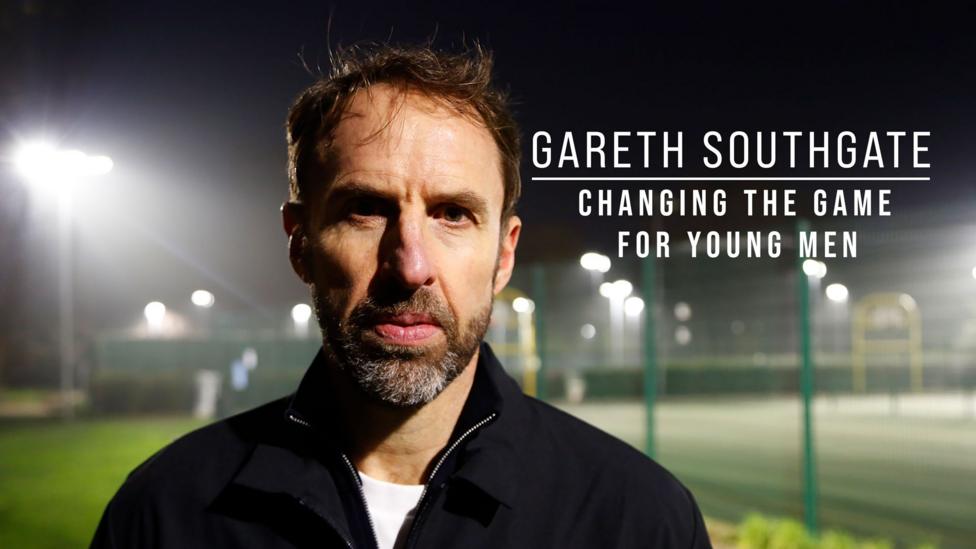
Southgate’s Urgent Plea to Save British Boys From Crisis
Gareth Southgate warns that the lack of safe spaces for young men is a national emergency requiring immediate action.
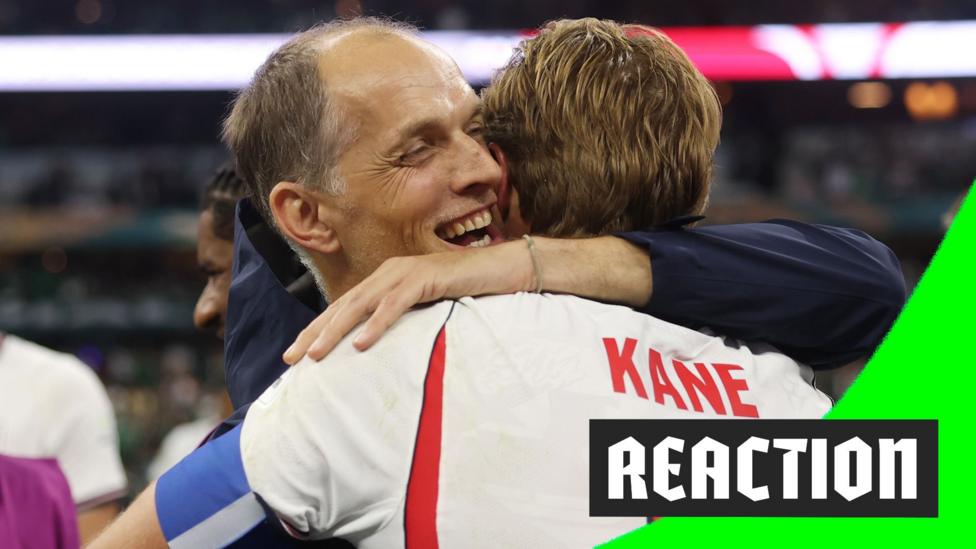
Tuchel proud of England's Azteca siege but fires at World Cup officials
England survived a sold-out Azteca to beat Mexico 3-2, but Thomas Tuchel aimed his fire at the match officials.

Kerry's Ruthless Finishing Ends Tyrone's Championship Dreams
Kerry's clinical 2-25 to 0-27 victory exposed Tyrone's defensive frailties and reignited a fierce rivalry in devastating fashion.