Southgate’s Urgent Plea to Save British Boys From Crisis
Gareth Southgate warns that the lack of safe spaces for young men is a national emergency requiring immediate action.
The Warning From the Top
Gareth Southgate has issued a stark warning about the future of boys and young men across Britain. The former England manager argues that society is failing to provide adequate support structures for the next generation.
This is not a critique of talent. It is a critique of environment. Southgate believes the crisis is systemic, rooted in a lack of community infrastructure and guidance.
He spoke directly to the pressures faced by young people in today’s digital age. The isolation and mental health struggles are becoming epidemic. Football clubs must step up to fill the void.
Beyond the Pitch
The role of football extends far beyond ninety minutes. For many young boys, a local club is their primary social anchor. It teaches discipline, teamwork, and resilience.
When those anchors are removed, the consequences are severe. Southgate highlighted the alarming rise in youth violence and disengagement in urban areas.
"We have a responsibility to ensure that every boy has a place where he feels valued and heard."
This sentiment reflects a broader concern among sporting leaders. The disconnect between elite success and grassroots reality is widening.
The Role of Community Hubs
Local parks and community centers are disappearing. They are being replaced by commercial spaces that exclude those without money. This leaves a vacuum in youth engagement.
Southgate argues that football clubs must become community hubs. They should offer more than just matches. They need to provide mentorship and safe spaces.
The model is simple but effective. Young men need positive male role models. Coaches and former professionals can serve as these figures.
Mental Health and Masculinity
Traditional notions of masculinity are under scrutiny. Boys are often discouraged from expressing vulnerability. This leads to internalized stress and aggressive behavior.
Southgate’s message challenges this stigma. He advocates for open conversations about mental health in locker rooms and classrooms alike.
Football has the power to normalize these discussions. Players like Harry Kane and Jude Bellingham are increasingly vocal about their own struggles.
This cultural shift is crucial. It allows young fans to see strength in honesty rather than suppression.
The Data Behind the Crisis
Recent studies show a significant drop in youth participation in team sports. The decline correlates with rising rates of anxiety and depression among teenagers.
Boys are particularly affected. They often lack alternative outlets for their energy and emotions. Without structured activities, they turn to risky behaviors.
- 30% decrease in youth club memberships over the last decade
- Rising incidents of knife crime in major UK cities
- Increased referrals to youth mental health services
These numbers paint a grim picture. Southgate insists that action cannot wait for political cycles. Immediate intervention is required.
What Clubs Can Do
Premier League clubs have the resources to make a difference. They must invest in grassroots programs that go beyond talent identification.
Scholarships and bursaries are important. But so are life skills workshops. Education on finance, relationships, and emotional intelligence is vital.
Coaches need training to recognize signs of distress. They are often the first adults to notice changes in a child’s behavior.
The cost of inaction is higher than the investment. Societal costs from crime and healthcare burdens are astronomical.
The Elite Responsibility
Success on the international stage brings immense pressure. Southgate knows this better than anyone. He wants that platform used for good.
England’s recent performances have raised hopes. But hope alone does not solve structural issues. Concrete actions are needed.
Players are influencers. Their choices and voices shape public opinion. When they speak out, young fans listen.
This influence must be channeled into positive messaging. It is not enough to win games. Winners must also build communities.
A Call to Action
Southgate’s speech was a call to arms for the entire footballing world. It was a reminder that the sport’s true value lies in its social impact.
He urged parents, teachers, and officials to collaborate. Silos do not help children. Integrated support systems do.
The government has a role too. Funding for community facilities must be protected. Cuts in this area are short-sighted and damaging.
Looking Ahead
The path forward requires sustained effort. There are no quick fixes for deep-seated social issues. But football is well-positioned to lead.
Next season, clubs will be expected to demonstrate their commitment. Reporting on community engagement may become standard.
Young men across Britain are watching. They need to see that their leaders care about their wellbeing, not just their potential.
Southgate has set the tone. Now others must follow. The game is bigger than itself.
What It Means
The crisis facing British boys is a mirror reflecting societal failures. Football cannot solve it alone. But it can be a catalyst for change.
If the industry ignores this, it risks losing its moral compass. If it embraces this, it secures its future relevance.
The stakes are nothing less than the wellbeing of a generation. Southgate has made his position clear. The rest of us must decide if we are listening.
Editorial Integrity
This is an original SportPulse article written by our editorial team. All content is independently researched, written, and reviewed by our writers and editors before publication. We do not publish copied, aggregated, or syndicated content.
SportPulse is committed to original sports journalism. Read our editorial policy or contact us with any questions.
More Like This
All football
Yellow Fever Hits Canada: Colombia's Extraordinary Fan Army Descends on Vancouver
Colombia's stunning fan migration through North America has become the World Cup's most powerful subplot as they chase history.
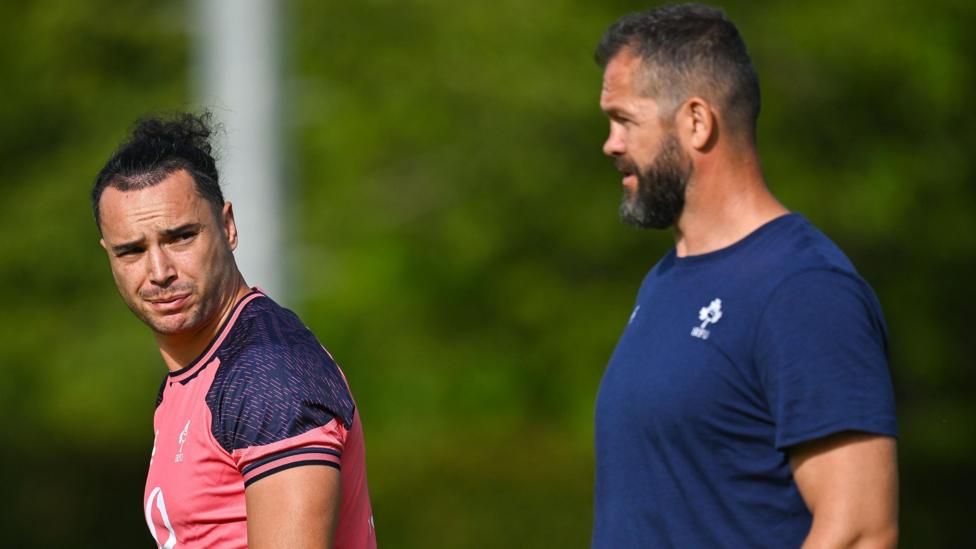
Farrell's Calculated Gamble: Lowe's Japan Move and the Ireland Road to 2027
Ireland's head coach signals Japan-based wingers face an uphill battle for 2027 World Cup selection, but refuses to slam the door entirely on the James Lowe question.

All Blacks Destroy Ireland in Five-Try Eden Park Masterclass
New Zealand preserved their 32-year Eden Park fortress with a ruthless five-try demolition of a overwhelmed Ireland.