Portugal Meet Croatia in a Last-32 Clash Rich With History and Stakes
Two European heavyweights collide in the knockout rounds with legacies on the line and new stars emerging.
The Match That Rewrites Recent History
Portugal and Croatia face off in the World Cup 2026 Last 32 tonight in what promises to be one of the most compelling knockout ties of the early rounds. Kick-off is set for 7pm EDT / 12am BST / 9am AEST, with both sides carrying the weight of expectation and the scars of past tournament heartbreak into a winner-takes-all showdown.
This is not just another knockout fixture. It is a collision between two nations that have defined the modern European international football landscape, both of whom know exactly how thin the margin is between glory and elimination at this stage.
The expanded 48-team format means the Last 32 is the first true elimination round, and for two sides with deep tournament pedigree, anything less than a quarter-final run will feel like underachievement.
A Rivalry Forged on the Big Stage
The competitive history between these two nations is shorter than you might expect but remarkably dense with drama. The defining encounter came at Euro 2016 in the Round of 16, where Ricardo Quaresma's extra-time goal sent Portugal through in a tense, cagey affair that Croatia dominated for long stretches but ultimately couldn't convert.
That match in Lens became a turning point. Portugal rode the momentum all the way to the title in Paris, while Croatia were left to regroup. The psychological scar of that defeat lingered, fueling a rivalry that has carried genuine edge ever since.
They have met in the UEFA Nations League as well, producing high-quality, tactically sophisticated contests that showcased two of Europe's most technically gifted squads. The familiarity breeds both respect and animosity. Both coaching staffs know the other's patterns inside out, which makes tonight's tactical chess match all the more fascinating.
Portugal's Tournament DNA
Portugal's World Cup history is one of underachievement relative to talent. For a nation that produced Eusébio, Luís Figo, and Cristiano Ronaldo, a single third-place finish in 2006 and a handful of quarter-final exits represent an underwhelming return.
But the post-Ronaldo generation has brought a different energy. The Euro 2024 campaign and subsequent qualifying cycle showed a squad that no longer orbits a single star. Bruno Fernandes has become the creative heartbeat. Rafael Leão provides terrifying pace on the left flank. Vitinha controls tempo from midfield with the composure of a player schooled at PSG's highest level.
The defensive spine, anchored by experienced centre-backs and a reliable goalkeeping setup, gives Portugal a foundation that previous generations sometimes lacked. They are not just talented going forward. They are structurally sound.
How they navigated the group stage to reach this point will have told us much about their cohesion and hunger. Portugal have historically been slow starters in tournaments, often looking disjointed in the group phase before clicking in the knockouts. The question tonight is whether that pattern holds.
Croatia's Remarkable Tournament Pedigree
The numbers are staggering for a nation of fewer than four million people. Croatia reached the World Cup final in 2018, falling to France in Moscow. Four years later in Qatar, they secured third place, defeating Morocco in the playoff. That is back-to-back semi-final runs from a country that punches so far above its weight it defies rational explanation.
Luka Modrić was the architect of both those campaigns, pulling strings from midfield with a grace that belied his age. But Modrić, now 40 years old, will almost certainly not feature in the same commanding role he held in Russia and Qatar. The question of succession has hovered over Croatian football for years, and this tournament is the moment it becomes unavoidable.
Joško Gvardiol has matured into one of the world's premier centre-backs. Mateo Kovačić provides steel and intelligence in midfield. The emerging generation, including dynamic attacking talents coming through Europe's top leagues, gives Croatia genuine depth.
What they may lack in individual star power compared to their golden generation, they compensate for with system, discipline, and an almost genetic refusal to accept defeat in tournament football.
The Tactical Shape of the Contest
Expect a midfield battle that will define the outcome. Both teams prefer to dominate possession and build through technical quality rather than directness. Neither will want to cede control of the central areas, which means the pressing triggers and transition moments become critical.
Portugal's width, particularly through Leão and whoever occupies the right flank, will test Croatia's defensive shape. Gvardiol and the Croatian backline will need to manage the space behind their full-backs without becoming too narrow and inviting crosses.
Croatia's response will likely come through patience. They are masters of the slow build, probing for gaps, recycling possession until the opening appears. Portugal's midfield will need to stay disciplined and resist the temptation to overcommit players forward.
Set pieces could prove decisive. Both squads carry genuine aerial threat, and in a tight knockout match, one dead-ball moment can settle everything.
The Locker Room Before Kick-Off
The atmosphere inside both dressing rooms will be electric and tense in equal measure. For the veterans who have lived through tournament heartbreak before, the pre-match hours bring a familiar cocktail of focus and anxiety. For the younger players experiencing their first major knockout tie, the magnitude of the occasion is impossible to simulate in training.
Coaches in these moments become psychologists as much as tacticians. The team talk that calms nerves without dampening intensity, the tactical reminders delivered with clarity rather than panic, the substitution plans rehearsed but never fully predictable. Every detail matters.
What It Means
Tonight's winner advances to the Round of 16 with legitimate aspirations of a deep run. The loser goes home from a World Cup that, given its expanded format and North American setting, represents a once-in-a-generation opportunity.
For Portugal, this is about proving that the post-Ronaldo era can deliver the silverware that the Ronaldo era, for all its brilliance, only managed once at a European Championship. For Croatia, it is about demonstrating that their extraordinary tournament resilience is not tied to one generation of players but embedded in the national footballing identity.
The stakes could not be higher. Two European giants. One survives. One does not. That is knockout football at its most unforgiving.
The history between these sides tells us to expect a tight, tactical, nerve-shredding contest. The talent on display tells us it could produce a moment of individual brilliance that decides everything. Either way, this is a Last 32 tie that deserves to be treated as the heavyweight bout it is.
Editorial Integrity
This is an original SportPulse article written by our editorial team. All content is independently researched, written, and reviewed by our writers and editors before publication. We do not publish copied, aggregated, or syndicated content.
SportPulse is committed to original sports journalism. Read our editorial policy or contact us with any questions.
More Like This
All football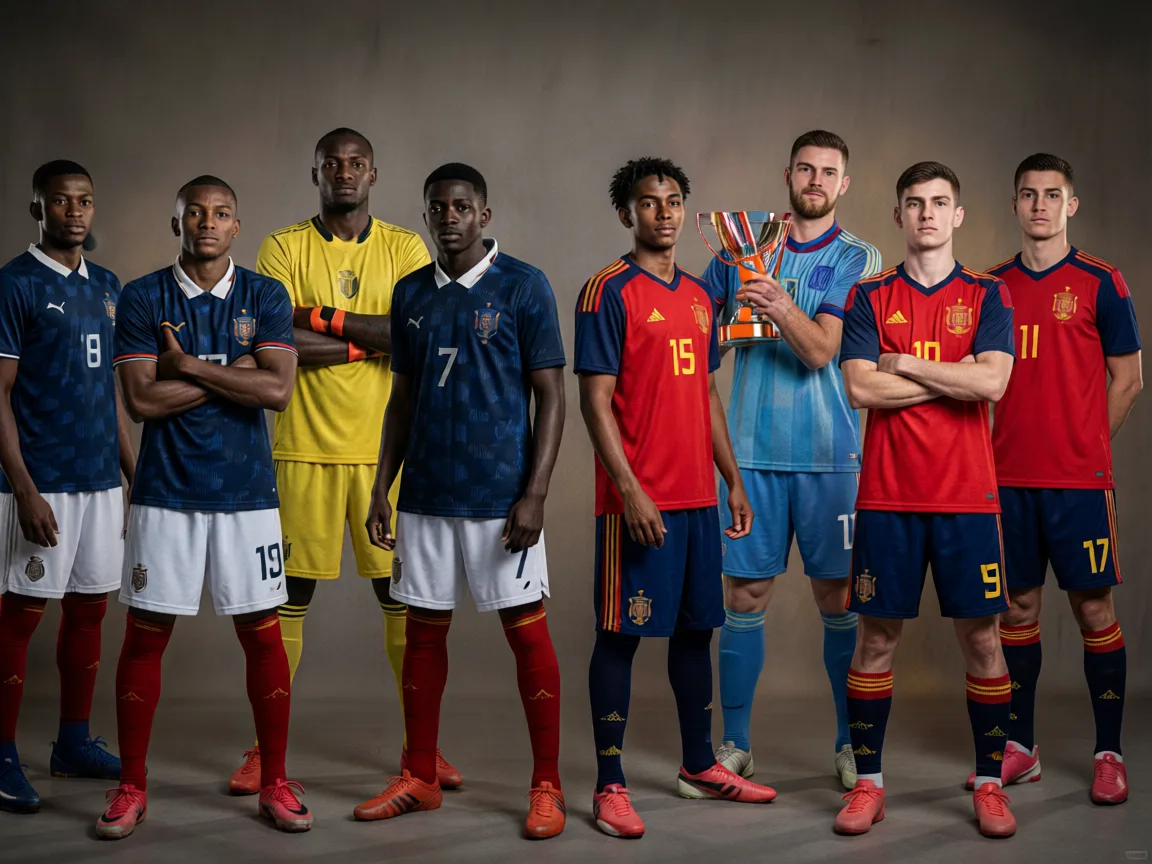
France vs Spain: The Real World Cup Final in Spirit
While England-Argentina grabs headlines, France-Spain promises the true tactical spectacle of the tournament's final four.
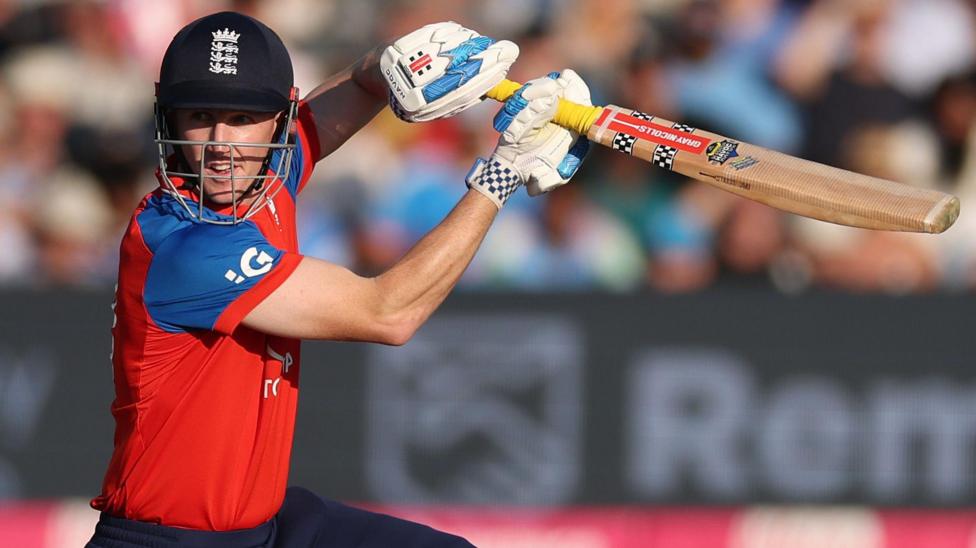
England Shatter T20 Curse as India Plummet to Historic Low
England claim their first-ever T20 series win over India while the visitors suffer a record fifth straight defeat.

David Squires Cartoons: The Art of Week Two at the World Cup
A brilliant cartoonist captures the drama of week two at the World Cup.