The World Cup Hangover Hitting Premier League Squads
Which Premier League clubs carried the heaviest World Cup workload, and how does that fatigue reshape tactical approaches through the festive period?
Post-World Cup Fatigue and the Premier League Calendar
The midseason World Cup in Qatar forced an unprecedented break in European domestic football, returning players to clubs in radically varying physical and mental conditions. Some Premier League squads resumed play in late December carrying heavy World Cup workloads: deep tournament runs, extra-time matches, minimal recovery windows, compressed travel. Others, largely untouched by international commitments, returned to training weeks earlier and accumulated fitness while their teammates processed knockout matches.
That asymmetry reshaped the early festive fixtures. Managers confronted not just squad rotation but intensity itself: whether to press high with players running on empty, whether to sit deep and absorb pressure from fresher opponents, and how to balance tactical fidelity with what players' bodies could actually deliver.
Clubs With the Heaviest International Commitments
Manchester City provided the deepest World Cup contingent among Premier League clubs. A large group reached the latter stages, including the final and semi-final, logging the most minutes under compounded physical and emotional stress. Their return to domestic duty demanded careful load management from Pep Guardiola during a fixture window that traditionally allows little room for rest.
Arsenal similarly sent a significant delegation to Qatar. Their squad spread across multiple national teams, accumulating minutes that complicated Mikel Arteta's preparation for the resumption of Premier League fixtures. Arsenal, however, did not send a large group to the semi-finals, which meant their full-squad training resumed earlier than clubs whose players went deeper.
Manchester United faced a particular challenge: several key players went deep into the knockout rounds. Those individuals returned on condensed timelines, forcing Erik ten Hag to weigh tactical continuity against injury risk to recently returned starters.
Clubs with lighter World Cup involvement held a material advantage. Even sides with traditional international depth benefited when their players exited early, allowing full-squad training to begin earlier than deep-tournament clubs could manage.
Adapting Shape and Press to the Fatigue Landscape
Clubs carrying the highest World Cup workload could not sustain uniformly high-intensity pressing structures. Fatigued central midfielders, in particular, struggle to execute the repeated explosive sprints that high pressing requires. Measurable knock-on effects follow across the system.
For Guardiola, high-tempo positional play depends on synchronised pressing from the front and midfield. When key players return depleted, the collective press loses sharpness, allowing opponents more time to build from the back and breach the first line of defence with less resistance.
The England contingent at Manchester City arrived especially stretched from their tournament workload. Adding domestic cup commitments immediately after the Premier League resumed did not help their recovery. Guardiola rotated more aggressively in the early return fixtures, using squad depth to manage minutes.
For Arteta, domestic matters required careful juggling. Arsenal's injury record worsened during the festive period, forcing further adjustments. The squad depth Arsenal had assembled before the season proved material: it allowed rotation without wholesale tactical compromise.
For Ten Hag, the tactical task was clearer but no less demanding. Players who arrived back late from the World Cup were eased into the starting eleven. Those who had remained at the club during the break started during the early return. This gave returning players time to recover, but it also created a selection gap between those carrying tournament minutes and those with training-ground fitness.
Recovery as Formation Change
The most telling tactical pattern across the post-World Cup fixtures came not from formation tweaks but from the trade-offs between intensity and structure. Clubs with fatigued rosters could typically maintain their nominal shape. What they lost was the dynamism within it: the pressing triggers, the space coverage, the recovery runs that make formations function.
Manchester City preserved their 4-3-3 shape and ball-oriented press for much of the post-World Cup period, but the collective press was less coordinated. The high line stayed, and opponents exploited the reduced counter-press intensity with direct balls into the channels.
Arsenal retained their 4-3-3 attacking shape and build structure, though their festive injury list forced reconfiguration. Arteta adjusted personnel, filling midfield slots with players whose profiles differed from his preferred starters. The attacking-left-side combination remained the clearest tactical thread, but the supporting elements changed.
Manchester United set up in their 4-2-3-1 with the returning World Cup players short of fitness. Ten Hag's approach concentrated on rhythm: when fatigued starters could not do the running, he used a more contained shape, sitting off slightly and choosing moments to jump the press rather than sustaining it for long stretches.
The inversion was notable. Clubs that could train through the break, with fewer World Cup absentees, maintained sharper collective pressing in the early return fixtures. Their advantage showed not in formation but in coordination: they arrived at the first whistle with weeks of shared work behind them.
Lingering Workloads and the Run-In
The World Cup hangover does not resolve in a single fixture window. Players who logged deep tournament minutes carry residual fatigue for weeks, particularly when domestic cups and league fixtures compress the calendar. The clubs with the heaviest workloads face continued squad-management questions: how aggressively to rotate for cup ties, whether to rest key pressers for league matches, and when to reintroduce full tactical intensity.
Guardiola's squad depth gives him the rotation options to absorb the workload, but festive congestion demands patience. Arteta must balance the tactical urgency of the title race with the physical reality of his squad. Ten Hag faced the most direct trade-off: which of the players short of match fitness from the World Cup would be ready to face Liverpool at Anfield. Those decisions hinge on when his late-returning players could restore full intensity.
The clubs that managed the World Cup hangover most effectively did so through squad depth, rotation discipline, and tactical flexibility. The clubs that suffered were those whose systems depend on sustained intensity from a narrow core of players. The gap between those two approaches will show in the table.
Editorial Integrity
This is an original SportPulse article written by our editorial team. All content is independently researched, written, and reviewed by our writers and editors before publication. We do not publish copied, aggregated, or syndicated content.
SportPulse is committed to original sports journalism. Read our editorial policy or contact us with any questions.
More Like This
All football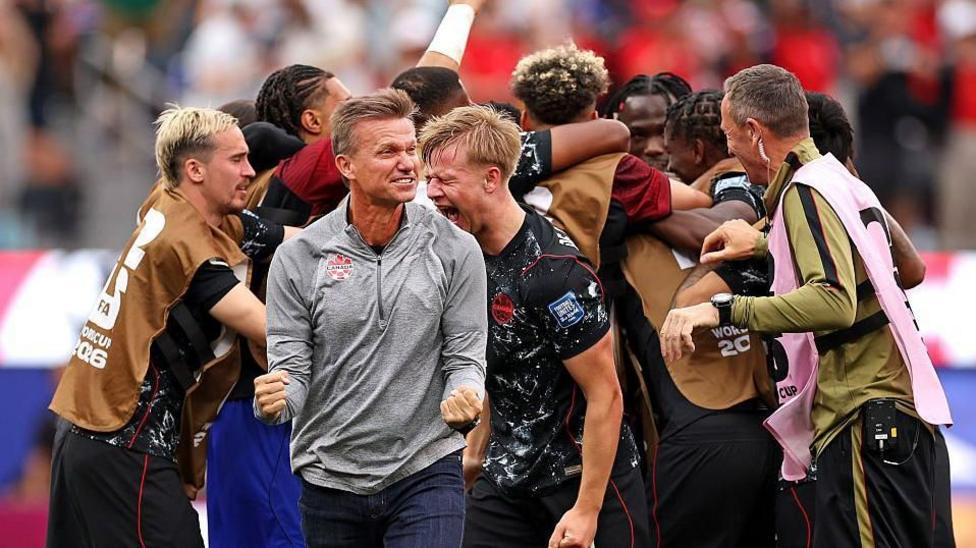
Canada's World Cup Run Is Rewriting the Country's Sporting Identity
Canada's historic World Cup campaign is doing what decades of domestic investment never could — making the nation believe.
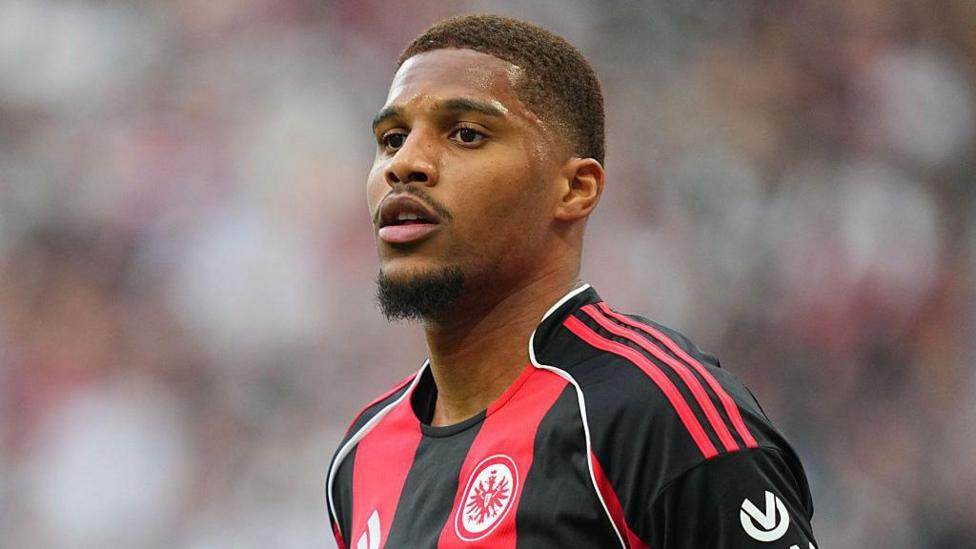
Coventry Smash Record For Swiss Defender Amenda In £17m Frankfurt Raid
Coventry City are finalizing a club-record £17m deal for Eintracht Frankfurt's Swiss defender Aurele Amenda.
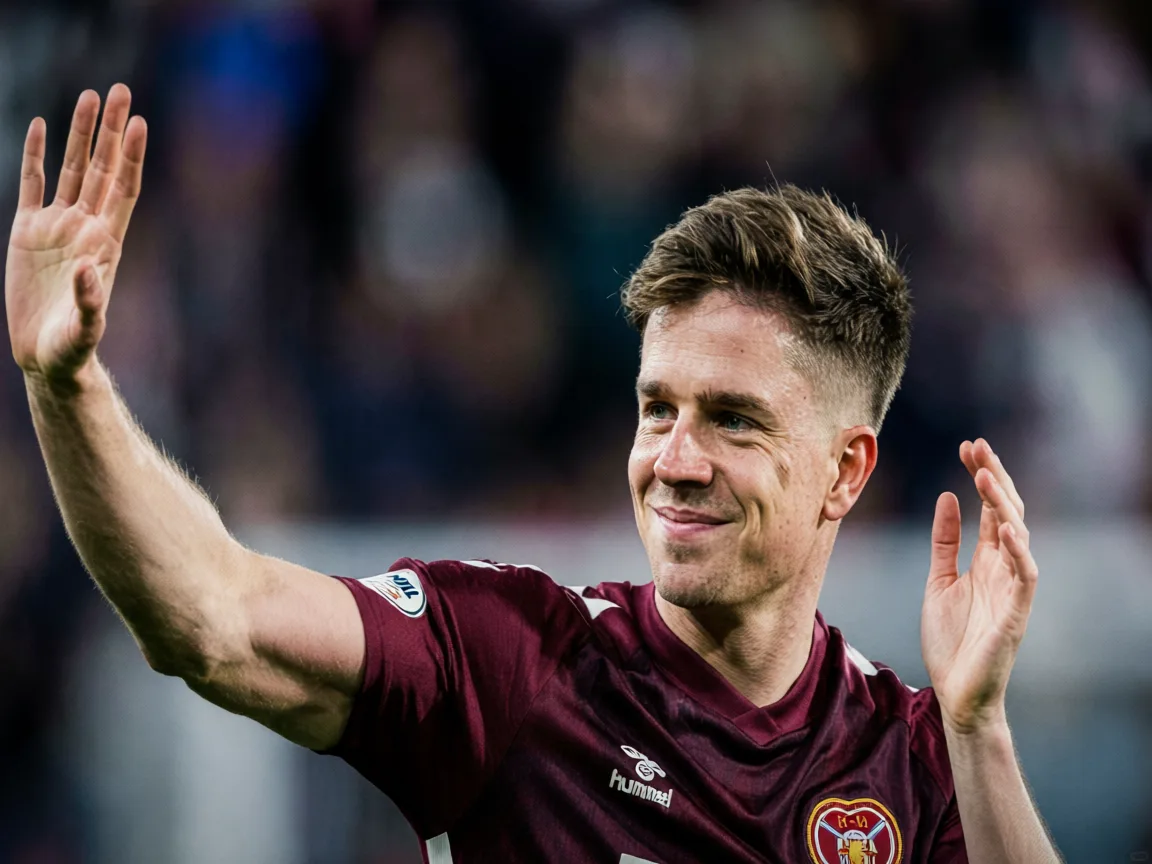
From Sydney Suburbs to Ibrox: Cammy Devlin's Phoenix Rise to Rangers
Cammy Devlin joins Rangers on a free transfer from Hearts, completing a remarkable journey from Australian grassroots football to Ibrox's intense spotlight.