Pulisic Answers His Critics With a Statement He Didn't Want to Make Verbally
After six months of questions about a drought he loathed discussing, Christian Pulisic let his boots do the talking against Senegal.
The Weight of Six Silent Months
Christian Pulisic was done talking about it. You could see it in his body language at every press gathering, every USMNT camp, every friendly window. Another microphone in his face, another iteration of the same question: Where are the goals?
For a player who has carried the hopes of American soccer on his shoulders since he was a teenager breaking through at Borussia Dortmund, the drought had become suffocating. Nearly six months without a goal for club or country. His last strike for the national team? November 18, 2024, in a Nations League match against Jamaica. That's a lifetime for a player of his caliber.
On Sunday against Senegal, Pulisic produced 45 imperious minutes that spoke louder than any press conference answer ever could.
"I just wanted to talk about something else for once."
That sentiment, relayed through his body language and performance rather than his words, defined everything about this international window. The Milan midfielder didn't need to explain himself. He needed to score.
The Drought Nobody Wanted to Discuss
The frustration wasn't just about goals. It was about what the absence of goals represented.
When Pulisic joined AC Milan from Chelsea in 2023, he was supposed to be reborn. And for a while, he was. His first season at San Siro was a revelation, a reminder of the talent that once made him the most expensive American player in history. But form is fickle, and the second half of the current campaign told a different story.
At club level, his production dried up. At international level, the drought stretched even further. And with the 2026 World Cup looming on home soil, every goalless appearance felt like it carried disproportionate weight.
The USMNT doesn't have the luxury of waiting for its talisman to find his rhythm in June. The clock is ticking. The tournament is months away, not years. And the questions, fair or not, were piling up.
Behind the Drought: More Than Meets the Eye
This wasn't simply a case of a striker forgetting how to finish. The context matters.
Pulisic's role at Milan has shifted tactically throughout the season. Deployed across the front line, sometimes wider, sometimes as a false nine, his positioning has been inconsistent. When you're constantly adjusting to different roles, rhythm suffers. Touches become less instinctive. Runs lose their timing.
At the international level, the picture is murkier. USMNT manager Mauricio Pochettino has been building a system that demands intensity from every position, and Pulisic's integration into that framework hasn't always been seamless. The creative burden falls on him. The goalscoring burden falls on him. The leadership burden falls on him.
That's a lot for one player to carry, even one as talented as Pulisic.
The Senegal Performance: What Actually Changed
Against Senegal, something clicked. Not in a dramatic, movie-script way, but in the way real football breakthroughs happen: through movement, confidence, and the simple act of finding space at the right moment.
His 45-minute performance was dominant enough to silence the noise. The kind of display where you stop checking the clock and start admiring the football. Pulisic was involved in everything dangerous the US created, moving with a freedom and conviction that had been missing for months.
The goal drought was over. The conversation could finally shift.
"I wanted to talk about something else."
Now he can.
Pochettino's Push: The Manager Wants More
Here's where the story gets more nuanced than a simple redemption arc.
Even after Pulisic's decisive contribution against Senegal, Pochettino made clear that one half of football doesn't erase months of inconsistency. The Argentine manager, never one to hand out praise without a caveat, wants to see this version of Pulisic sustained over time, not just in flashes.
And he's right to demand it.
The USMNT's World Cup ambitions don't hinge on a single friendly performance in May. They hinge on whether the best version of Christian Pulisic shows up in June 2026, when the pressure will be unlike anything American soccer has ever experienced. A home World Cup. The eyes of an entire nation. The weight of expectations that no CONCACAF qualifier or Nations League match can replicate.
Pochettino knows this. That's why the standard remains high, even in celebration.
The Numbers Behind the Silence
- Nearly 6 months without a goal for club or country before Sunday
- Last USMNT goal: November 18, 2024 vs Jamaica (Nations League)
- 45 dominant minutes against Senegal that ended the drought
- Pulisic's second full season at AC Milan has produced mixed returns after a stellar debut campaign
What This Means for the World Cup Build-Up
The timing of Pulisic's resurgence is critical. The USMNT's preparation schedule is accelerating, with competitive fixtures and high-profile friendlies stacking up ahead of the tournament. Every window matters.
For Pochettino, the puzzle is becoming clearer but not simpler. He needs Pulisic firing, but he also needs depth. He needs his star player to be the creative fulcrum, but the system can't collapse when Pulisic has an off night. The Senegal performance suggests the ceiling remains extraordinarily high. The six-month drought suggests the floor is lower than anyone wants to admit.
The challenge between now and June 2026 is narrowing that gap.
Behind the Numbers: Milan's Role in the Equation
One subplot that can't be ignored: Pulisic's club situation. At AC Milan, the Rossoneri are navigating their own turbulence. A mixed Serie A campaign, managerial uncertainty, and questions about the squad's direction have created an environment where individual form can fluctuate wildly.
When your club situation is unstable, international breaks become either a refuge or an extension of the chaos. For Pulisic, Sunday against Senegal felt like the former. A chance to play with freedom, to remember what it feels like when the ball finds the net.
How he carries that momentum back to Milan will determine whether this was a turning point or a brief reprieve.
The Verdict: Relief, Not Resolution
Let's be honest about what Sunday was and what it wasn't.
It was relief. Pure, visceral relief for a player who had grown visibly tired of the narrative surrounding him. It was evidence that the talent hasn't evaporated, that the instincts remain sharp, that Christian Pulisic at his best is still the most dangerous American footballer on the planet.
But it wasn't resolution. One half against Senegal doesn't answer the deeper questions about consistency, about durability across a grueling season, about whether he can replicate this performance when the stakes are existential rather than preparatory.
Pulisic wanted to talk about something else. On Sunday, his football did the talking. But the conversation isn't over. It's just getting started.
The real test comes in 2026, under the brightest lights American soccer has ever known. If this version of Pulisic shows up then, the drought will be nothing more than a footnote in a much larger story.
If it doesn't, the questions will return with a vengeance.
For now, though, Christian Pulisic scored. And for the first time in six months, that was enough.
Editorial Integrity
This is an original SportPulse article written by our editorial team. All content is independently researched, written, and reviewed by our writers and editors before publication. We do not publish copied, aggregated, or syndicated content.
SportPulse is committed to original sports journalism. Read our editorial policy or contact us with any questions.
More Like This
All football
Grimsby Mourns Alex Hughes, the Architect Behind the Mariner Revival
Alex Hughes shaped Grimsby Town's recruitment revolution at 38, leaving a tactical legacy that transcends his tragic, sudden passing.
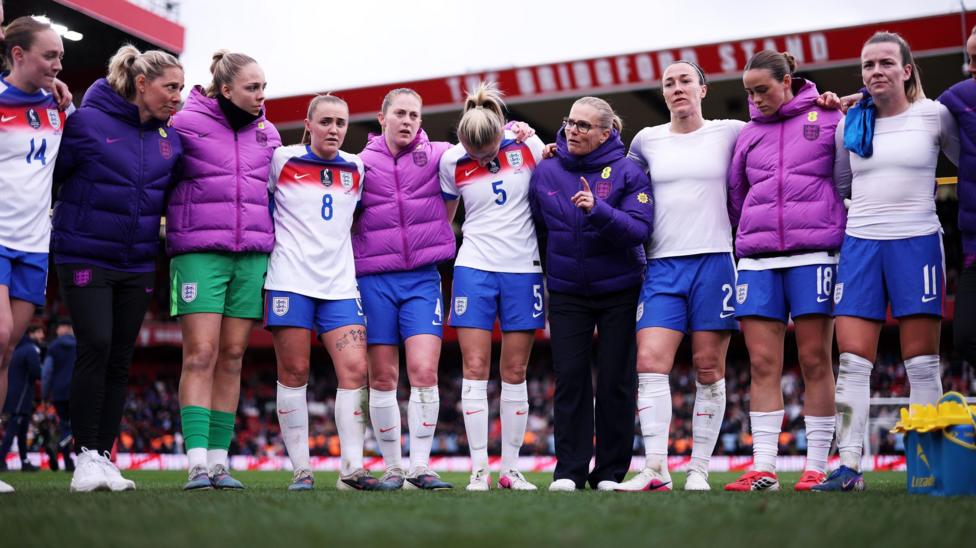
Dingley's Milestone Exposes Football's Coaching Glass Ceiling
Hannah Dingley broke barriers as England's first female professional men's team manager, but systemic change remains painfully slow.
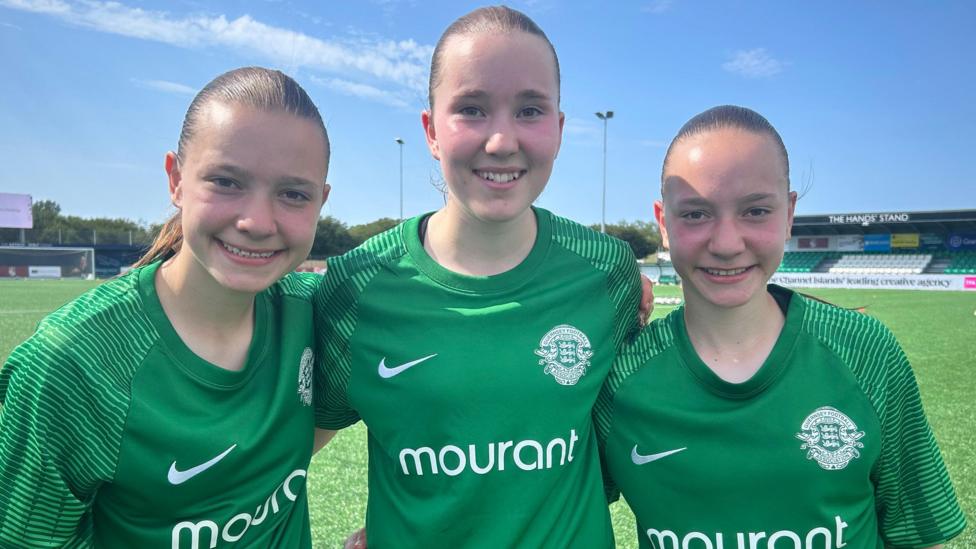
Guernsey's 16-Year-Old Triplets Make Historic Island Debut
Guernsey's 16-year-old triplets made a historic debut as the island side secured third place in the Cherry Godfrey Cup.