Right-Back Woes Deepen as Quansah and James Sit Out England Training
England's defensive options narrow before Wednesday's World Cup last-32 clash with DR Congo.
Two Key Absences Compound a Growing Problem
Jarell Quansah and Reece James both missed England training on Monday, throwing the squad's right-back plans into fresh uncertainty ahead of Wednesday's World Cup last-32 showdown with DR Congo.
The absences come at the worst possible moment. England are entering knockout football, and the right side of defence suddenly looks paper-thin. Manager Thomas Tuchel now faces a selection headache he can ill afford at this stage of the tournament.
Neither the Football Association nor Tuchel's coaching staff have confirmed the nature of either player's issue. But the optics alone are troubling: two players who can operate at right-back, both absent from the same session, with a knockout fixture less than 72 hours away.
The Reece James Problem Never Goes Away
This is the story that keeps writing itself. James, 25, has spent the better part of three seasons battling recurring hamstring and knee injuries at Chelsea. His talent is beyond question. His durability is not.
When fit, James is arguably England's most complete right-back. He defends aggressively, carries the ball with authority, and delivers crosses that can unlock any low block. But fitness has been the persistent asterisk next to his name since the 2022-23 campaign.
He managed just 10 Premier League starts last season. Chelsea's medical staff have worked tirelessly to manage his workload, but the pattern remains the same: flashes of brilliance interrupted by extended spells on the treatment table.
"Reece is a top player. Everyone knows that. But availability is the best ability, and that's been the challenge." — A sentiment echoed by multiple Chelsea observers throughout the season.
For England, the gamble of including James in the World Cup squad was always about upside versus risk. If he stays fit, he transforms the right flank. If he doesn't, you're left scrambling.
Right now, England are scrambling.
Quansah's Versatility Was Supposed to Be the Safety Net
Jarell Quansah is not a natural right-back. Let's be clear about that. The Liverpool defender is a centre-back by trade, a product of the academy system at Anfield who has earned his place through composure on the ball and positional intelligence.
But Tuchel's decision to include him was partly rooted in tactical flexibility. Quansah has shown the ability to shift across the back line, and in a tournament squad of limited size, that kind of versatility is gold.
His absence from training removes another option from the board. If both James and Quansah are unavailable, Tuchel's right-back choices narrow to a very short list.
Who's Left Standing?
England's right-back depth chart was supposed to be a strength. For years, the position was the most fiercely contested in the squad: Kyle Walker, Trent Alexander-Arnold, Kieran Trippier, James, and a rotating cast of contenders all jostling for one spot.
That wealth has thinned considerably.
Walker, now 35, remains in the squad and is the most experienced option. His recovery pace has diminished, but his reading of the game and leadership remain valuable. He would be the safe pick against DR Congo.
Alexander-Arnold offers something completely different: elite passing range, set-piece delivery, and the ability to dictate tempo from deep. Tuchel has used him in midfield at times during the tournament, further muddying the right-back picture.
The concern is what happens if neither Quansah nor James recovers in time for the next round, should England advance. Walker cannot play every minute at this intensity for an entire tournament. Alexander-Arnold's defensive vulnerabilities have been exposed at the highest level before.
There is no obvious fourth option waiting in reserve.
The DR Congo Test
On paper, England should handle DR Congo comfortably. The Leopards have been spirited at this World Cup, riding a wave of collective energy and physical intensity, but they are not expected to trouble a full-strength England side.
Knockout football, however, does not care about reputations. DR Congo's direct, athletic approach could expose a makeshift right side of defence. Their wide players have pace to burn and will target any uncertainty in the channels.
Tuchel cannot afford to treat this as a free hit. England need to win, and they need to do so without further depleting their defensive resources.
Inside the Camp
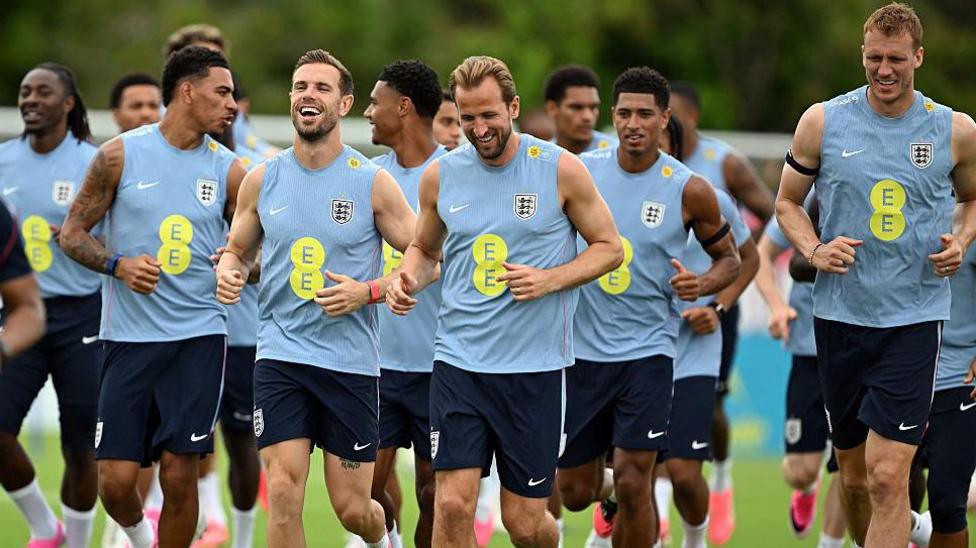
The mood at England's training base on Monday was described as focused but tense. Players went through their paces in small groups, with the absentees conspicuous by their absence. Staff were seen in hushed conversation near the medical facility, though nothing has been officially communicated to the media.
Tuchel is not a manager who panics. His tactical preparation is meticulous, and he will have contingency plans mapped out for multiple scenarios. But even the best-lanned structures depend on having the personnel to execute them.
The next 48 hours will be critical. If James and Quansah can return to training on Tuesday, the crisis narrative fades. If they cannot, Tuchel will need to make hard decisions with limited options.
What It Means
England's right-back situation is no longer a theoretical concern. It is a live, active problem heading into knockout football at a World Cup.
The broader issue runs deeper than one match. If England progress past DR Congo, the quarter-finals and beyond will demand defensive solidity against far more dangerous opponents. A patched-up right side of defence could be the vulnerability that ends the campaign.
Tuchel's squad management will be under the microscope. Every decision about workload, rotation, and tactical shape from here carries outsized weight.
England have the talent to win this tournament. Whether they have the fitness to match is a different question entirely. Wednesday's match against DR Congo now doubles as both a knockout tie and a stress test for a defensive structure that is creaking at the worst possible time.
Editorial Integrity
This is an original SportPulse article written by our editorial team. All content is independently researched, written, and reviewed by our writers and editors before publication. We do not publish copied, aggregated, or syndicated content.
SportPulse is committed to original sports journalism. Read our editorial policy or contact us with any questions.
More Like This
All football
Final Weekend: Spain Face Argentina as Continental Rivalry Overrides Regional Solidarity
World Cup 2026 ends with Spain versus Argentina in the final and England facing France for bronze amid deep tactical and cultural storylines.

Aston Villa Land Emily Ramsey on Free Transfer in Quiet WSL Masterstroke
Aston Villa secure England-capped goalkeeper Emily Ramsey on a free from Everton, addressing a position of need with zero transfer fee.
Inside England's SkyJo Obsession: The Tactical Psychology of Squad Cohesion
England's credit-card game obsession reveals how Southgate's successor weaponizes off-pitch psychology for on-pitch tactical cohesion.