The Queen's Blueprint: How Raducanu Rebuilt Her Game for Wimbledon
Emma Raducanu's Queen's final loss revealed a transformed player with a tactical blueprint ready for Wimbledon.
The Final Point That Echoed Hope
The last ball flew long. Emma Raducanu didn’t collapse, didn’t slam her racket. She just nodded, a faint, knowing smile touching her lips as she walked to the net. A 4-6, 6-7(5) loss in the Queen’s Club final to Madison Keys isn’t the headline her camp wanted. But for anyone who has watched her turbulent journey since that surreal Flushing Meadows fortnight in 2021, the nature of this defeat felt less like a setback and more like a statement. On the immaculate grass of West Kensington, under the scrutiny of a nation, Raducanu didn’t just play well; she played with a clarity and tactical sophistication that has been missing for years.
The atmosphere was electric, a palpable sense of a coronation. But Keys, the powerful American, played the role of the unflappable gatekeeper. She served big, struck her forehand with venomous depth, and refused to yield. Yet, Raducanu stayed with her, blow for blow. She saved 8 of 10 break points, a testament to her newfound resilience under pressure. The tiebreak, a knife-edge affair, swung on a single, pivotal moment: a Raducanu second serve at 5-5 that Keys crushed for a return winner. It was a brutal, clinical shot, but it had to be.
The Anatomy of a Resurgence
To understand the significance of Raducanu’s Queen’s run, you have to rewind the tape. The post-Grand Slam years were a labyrinth of surgeries, coaching changes, and early-round exits. Her ranking dipped outside the top 200. The narrative became about potential unfulfilled. But in the lead-up to this grass-court season, something shifted. The footwork was crisper. The shot selection, once prone to reckless ambition, was marked by calculated aggression. She wasn’t just hitting winners; she was building points.
Her path to the final was a masterclass in adaptation. She dismantled the tricky power of Sloane Stephens, outmaneuvered the tenacious Liudmila Samsonova, and held her nerve in a gritty three-setter against the in-form Russian. Her first-serve percentage hovered consistently above 70%, a massive improvement that took pressure off her second serve and allowed her to dictate play from the outset. This wasn’t the wild, instinctive brilliance of 2021; this was the structured, intelligent tennis of a player using a proven blueprint.
Match Stats: Raducanu's Queen's Campaign
- Tournament Aces: 28
- First Serve Points Won: 72%
- Break Points Saved: 83% (30/36)
- Average Match Duration: 1 hour, 52 minutes
- Winners to Unforced Errors Ratio: 1.3:1 (up from 0.9:1 pre-tournament)
“It’s a different feeling. I feel strong, I feel clear on what I’m trying to do. The scoreline today stings, of course, but the process, the way I competed all week… that’s the real win for me right now.”
The Tactical Shift: From Chaos to Control
The key transformation lies in her second serve. Previously a glaring weakness, often a timid offering that sat up for opponents to attack, it has become a weapon. She’s generating more kick, more slice, and varying the placement with intent. This forced Keys into more neutral returns, even on her aggressive days. It’s a small technical tweak with massive strategic implications. It allows her to start rallies on her terms.
Her movement on grass, too, was revelatory. She slid into low, wide balls with a poise that has been absent, trusting her body again. The decision to hire experienced coach Nick Cavaday was clearly aimed at this: building a sustainable, intelligent game plan. At Queen’s, you saw the payoff. She wasn’t scrambling; she was positioning, choosing her moments to inject pace into the rally.
The Shadow of 2021 and the Weight of Now
The comparisons to her US Open triumph are inevitable and, frankly, unhelpful. That was lightning in a bottle—a miraculous streak of inspired, fearless hitting. This is different. This is a methodical reconstruction. The crowd’s support at Queen’s was immense, but it felt less like a fairy tale and more like an investment from fans who see the graft. They cheered her gritty defense as much as her scorching forehands.
The loss to Keys, a former US Open finalist, is no disgrace. Keys played near-flawless, power tennis when it mattered most. For Raducanu, it’s a data point, not a derailment. She proved she can match top-tier power on the surface. She proved her body can withstand a demanding week of high-level matches. She proved she can handle the emotional crescendo of a final.
The All England Club Awaits
So, what does this mean for Wimbledon? Everything and nothing. Form on the practice courts and at the warm-up events is just that. The Grand Slam cauldron is a unique beast. But Raducanu arrives at SW19 with something she’s lacked since 2022: a replicable blueprint. She knows what works on grass for her game, right now. She knows how to structure points, how to manage her serve, and how to dig in during the tight moments.
The draw will be brutal, as always. But for the first time in years, seeing Emma Raducanu’s name in the bracket doesn’t evoke a question mark, but a compelling, narrative-driven storyline. The loss at Queen’s wasn’t an ending. It was the prologue. The real test, the one that matters most, begins next week. The blueprint is drawn. Now, she must build on it, one match at a time, on the lawns she was born to command.
Editorial Integrity
This is an original SportPulse article written by our editorial team. All content is independently researched, written, and reviewed by our writers and editors before publication. We do not publish copied, aggregated, or syndicated content.
SportPulse is committed to original sports journalism. Read our editorial policy or contact us with any questions.
More Like This
All tennis
Wimbledon Is Where Sinner's Third Sport Became His First Love
Before tennis consumed his life, Jannik Sinner ranked it behind skiing and football. Wimbledon changed everything.
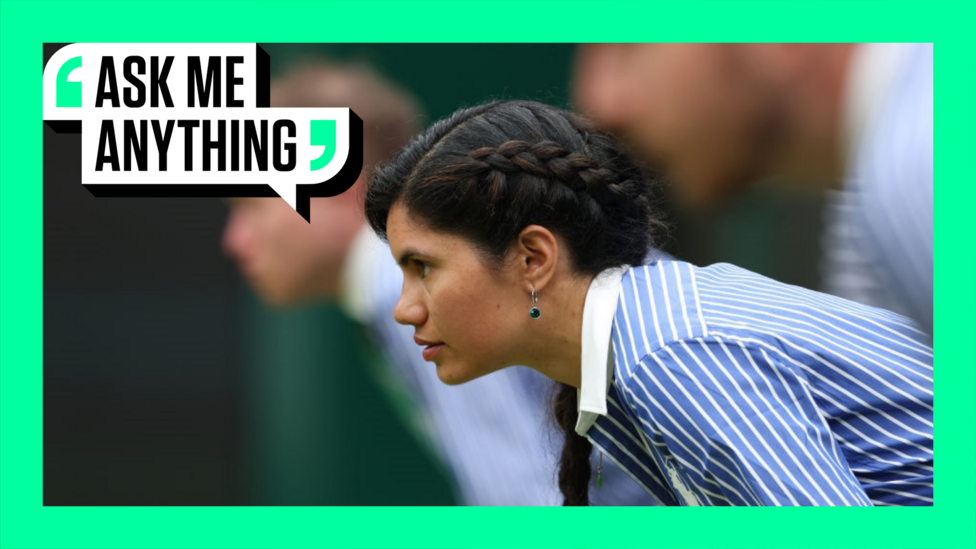
The Silence on the Grass: Wimbledon Bids Farewell to Line Judges
Wimbledon's embrace of electronic line calling ends centuries of tradition, reshaping the atmosphere of tennis's most storied tournament.
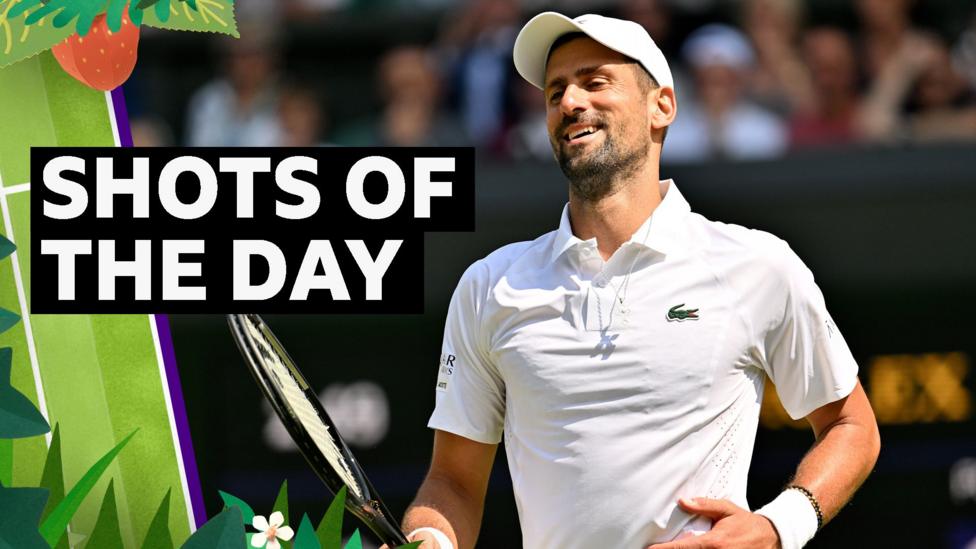
Wimbledon 2026 Day Five: Ostapenko and Djokovic Deliver Centre Court Theater
Day five at Wimbledon 2026 separated title contenders from pretenders as Ostapenko and Djokovic delivered statement performances on Centre Court.